
Shih Tzu FAQs: 50+ Expert Answers to the Most Common Questions
The Shih Tzu generates more owner questions than almost any other toy breed. Its distinctive flat face, continuously growing double coat, strong-willed personality, and documented health vulnerabilities create a learning curve for new owners that no single article fully addresses. This guide compiles the most frequently asked Shih Tzu questions and answers each one with accuracy, brevity, and links to the deeper resources on this site where further reading is available.
Questions are grouped by topic. Use the table of contents to navigate directly to the section most relevant to your situation.
Breed Basics
What is a Shih Tzu?
The Shih Tzu is a small companion dog originating in Tibet, developed through centuries of selective breeding for royal households in China. The name translates from Mandarin Chinese as “lion dog.” The American Kennel Club classifies the breed in the Toy Group and recognized it officially on September 1, 1969. Today the Shih Tzu ranks among the 20 most popular breeds in the United States by AKC registration data. For the full history, see: History of Shih Tzus
How big does a Shih Tzu get?
According to the AKC breed standard, a Shih Tzu stands 9 to 10.5 inches (23 to 27 cm) at the withers, with an absolute range of 8 to 11 inches (20 to 28 cm). The ideal weight for a mature dog is 9 to 16 lb (4.1 to 7.3 kg). The body is slightly longer than it is tall. See: How Much Should a Shih Tzu Weigh?
How long do Shih Tzus live?
The typical Shih Tzu lifespan is 10 to 16 years, making it one of the longer-lived toy breeds. Lifespan is influenced by genetics, diet, weight management, dental health, and access to regular veterinary care. For a detailed breakdown by gender and age stage, see: How Long Do Shih Tzu Dogs Live?
How do you pronounce Shih Tzu?
The correct pronunciation in standard American English is “sheed-zoo.” The breed is sometimes mispronounced as “shit-zoo” in informal speech, but the Mandarin-derived pronunciation — closer to “shir-dzu” — is the basis for the anglicized form used by the AKC and American Shih Tzu Club.
What does a Shih Tzu look like?
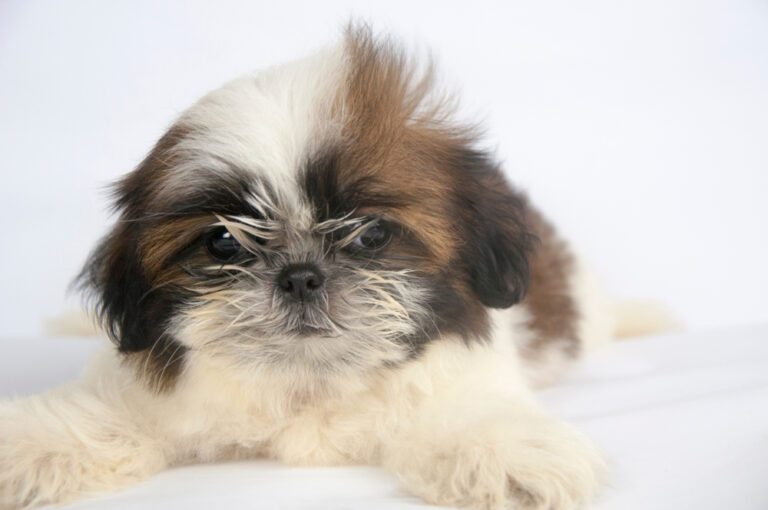
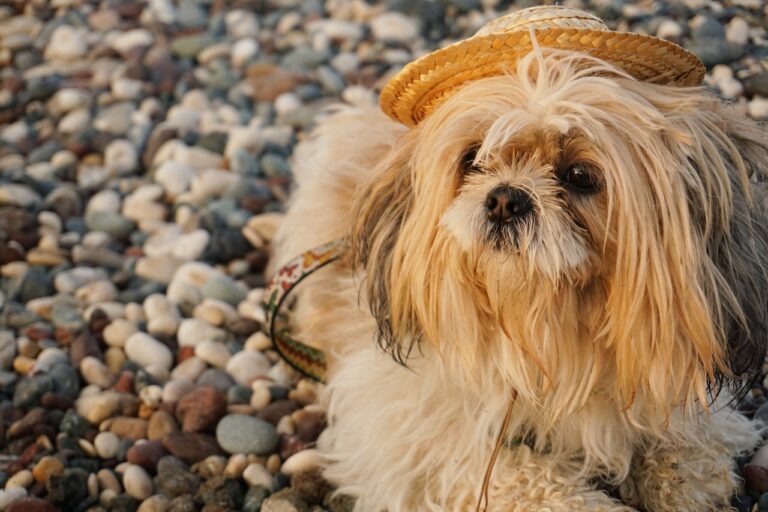
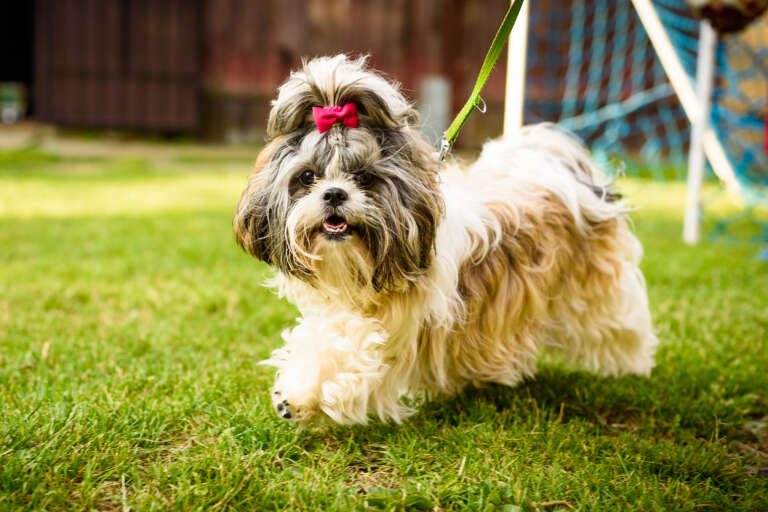
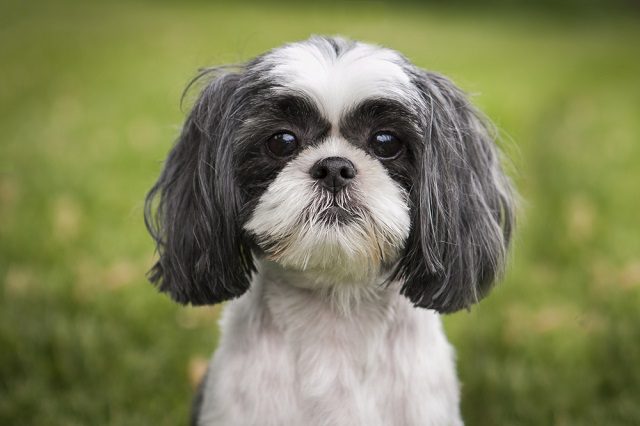
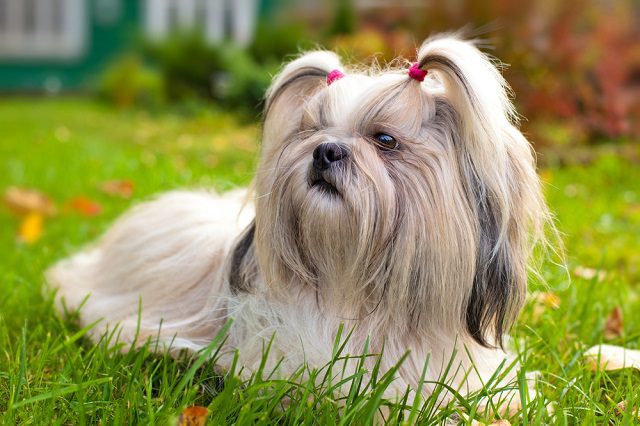
The Shih Tzu has a round, broad, domed skull with a short, square muzzle. Its eyes are large, round, dark, and set wide apart. The expression the AKC standard defines is “warm, sweet, wide-eyed, friendly, and trusting.” The tail is set high and carried in a plume over the back. The double coat is long, dense, and silky, and may be any color. For full physical detail, see: Shih Tzu Characteristics
What is the average cost of a Shih Tzu?
A purebred Shih Tzu from a health-tested, AKC-registered breeder typically costs between $800 and $2,500 in the United States as of 2026. Price varies by breeder reputation, geographic location, pedigree, and show-quality versus companion-quality dogs. Rescue adoption fees are generally $150 to $400. Purchase price does not include ongoing costs — veterinary care, grooming, food, and supplies represent a significantly larger investment over the dog’s 10 to 16 year lifespan.
What is the litter size of a Shih Tzu?
The average Shih Tzu litter contains three to four puppies. Litters of one to five are common. Because Shih Tzus are a small brachycephalic breed, whelping complications occur more frequently than in larger breeds, and veterinary supervision of delivery is strongly recommended. For more on breeding, see: Shih Tzu Breeding Guide
Temperament and Personality
What kind of personality does a Shih Tzu have?
The AKC breed standard requires the Shih Tzu temperament to be “outgoing, happy, affectionate, friendly and trusting toward all.” Viciousness and extreme shyness are listed as disqualifications. In practice, Shih Tzus are intensely people-oriented, confident, playful, and adaptable. They bond closely with their families and do not perform well when left in isolation for extended periods.
Are Shih Tzus good with kids?
Shih Tzus are generally well suited to family life with children. Their patient, affectionate temperament makes them tolerant companions. However, because the breed is small and has prominent eyes that are vulnerable to injury, interactions between young children and Shih Tzus should be supervised. Children should be taught not to handle the dog roughly or apply pressure to the head or neck.
Are Shih Tzus good with other pets?
Shih Tzus typically coexist well with other dogs and cats when properly introduced. The breed’s non-predatory background as a pure companion dog reduces prey-drive conflicts with cats. Introductions should be gradual and supervised. For guidance on specific pairings, see: Shih Tzu Temperament with Cats and Best Companion for Shih Tzu
Are Shih Tzus good guard dogs?
No. The AKC breed standard defines the Shih Tzu’s sole purpose as companionship. The breed will alert owners to unusual sounds or visitors with a bark, making it a reasonable watchdog. However, its friendly disposition toward strangers makes it ineffective as a guard dog in any meaningful sense.
Can Shih Tzus be left alone for long periods?
Shih Tzus do not manage extended isolation well. The breed’s companion heritage makes prolonged solitude a direct contributor to separation anxiety, destructive behavior, and excessive vocalization. Most experienced owners and veterinary behaviorists recommend no more than four to six hours of unsupervised alone time for an adult Shih Tzu. For management strategies, see: Shih Tzu Anxiety: How to Deal With It
Do Shih Tzus bark a lot?
Shih Tzus will bark to signal visitors, unusual sounds, or when seeking attention. The breed is not among the heaviest barkers in the toy group, but individual variation exists. Consistent training from puppyhood — rewarding quiet behavior and teaching a “quiet” command — prevents excessive barking from becoming a fixed habit. See: Shih Tzu Behavior Problems: How to Discipline
Do Shih Tzus need a lot of attention?
Yes. This is a breed designed for constant human interaction. Shih Tzus require daily engagement — playtime, grooming contact, and proximity to their people. Owners who work full-time should arrange for midday visits, dog walkers, or doggy daycare to prevent the behavioral and emotional consequences of prolonged daily isolation.
Are Shih Tzus good for people with busy lifestyles?
Conditionally. Shih Tzus adapt well to varied daily routines and do not require long outdoor exercise sessions. However, they do require a significant time commitment to grooming and companionship. An owner who is frequently away from home for more than six hours at a stretch without arrangements for the dog’s care and interaction is not well matched to this breed.
Are Shih Tzus suitable for older people?
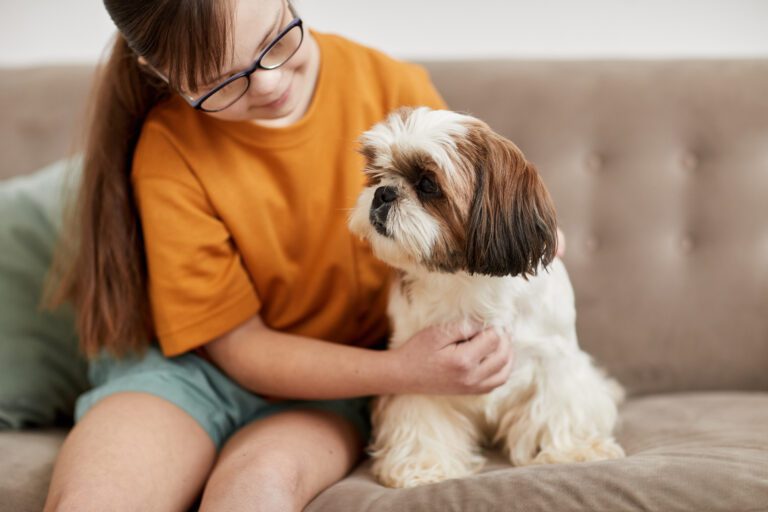
Yes. The Shih Tzu’s moderate exercise needs, small size, affectionate temperament, and adaptability to apartment or small-home living make it one of the more suitable breeds for older adults. The grooming commitment is real and should be factored in — owners who cannot manage daily brushing should budget for regular professional grooming appointments every four to six weeks.
Are Shih Tzus good for people with disabilities?
Shih Tzus have been used as emotional support animals and therapy dogs due to their calm, affectionate nature and social ease with strangers. For information on the breed’s capacity as a service dog, see: Can a Shih Tzu Be a Service Dog?
Are Shih Tzus good for first-time dog owners?
Yes, with an important caveat. The Shih Tzu’s adaptable temperament, moderate exercise needs, and friendly disposition make it manageable for first-time owners. However, the breed’s grooming requirements are more demanding than most beginners expect, and house training requires more patience and structure than some other breeds. First-time owners benefit significantly from reading the full care guides before bringing a dog home.
Health
Are Shih Tzus prone to health issues?
Yes. The breed’s brachycephalic skull structure, compact body, and narrow genetic base each contribute to documented health vulnerabilities. The most significant conditions include Brachycephalic Obstructive Airway Syndrome (BOAS), dental disease, eye conditions, renal dysplasia, intervertebral disc disease (IVDD), ear infections, allergies, and orthopedic conditions. Research published on PubMed Central by the Royal Veterinary College identified brachycephalic-related disorders and dental disease as the most common conditions in Shih Tzus under primary veterinary care in the UK. For the full breakdown, see: Shih Tzu Characteristics
Are Shih Tzus prone to any genetic disorders?
Documented genetic conditions in the breed include renal dysplasia, intervertebral disc disease (IVDD), progressive retinal atrophy (PRA), and hip dysplasia. The American Shih Tzu Club actively pursues research to identify genetic markers for renal dysplasia. Prospective buyers should request health screening records from breeders before purchasing.
Are Shih Tzus prone to skin problems?
Shih Tzus are prone to allergies that manifest as skin irritation, and to facial fold dermatitis caused by moisture accumulating in the skin creases around the muzzle. Yeast infections affecting the skin, ears, and paws are also common. For detailed guidance, see: Allergies in Shih Tzus: Signs, Causes, and Treatments and Treating Yeast Infections in Shih Tzus
How can I tell if my Shih Tzu is healthy?
A healthy Shih Tzu is alert and engaged with its environment, has clear, bright eyes without discharge or cloudiness, breathes without obvious labored effort at rest, maintains a stable weight, has a coat that is clean and free from excessive dullness or shedding, and produces normal stools at regular intervals. Any significant departure from this baseline warrants a veterinary assessment.
How can I tell if my Shih Tzu is in pain?
Signs of pain include limping or reluctance to bear weight, vocalizing when touched in a specific area, hunched posture, reluctance to jump or climb stairs, reduced appetite, and withdrawal from normal social interaction. Because Shih Tzus mask discomfort more effectively than many breeds, changes in behavior often signal pain before obvious physical signs appear.
How can I tell if my Shih Tzu is overweight?
Stand over the dog and look down. A healthy weight Shih Tzu should show a visible waist taper behind the ribs. Running your hands along the sides, you should be able to feel the individual ribs without pressing hard. If the ribs are difficult to locate and no waist is visible, the dog is likely overweight. Obesity compounds every brachycephalic health condition this breed faces and shortens lifespan. See: How Much Should a Shih Tzu Weigh?
How can I tell if my Shih Tzu is stressed?
Behavioral signs of stress include panting without physical exertion, trembling, yawning, lip licking, excessive self-grooming, hiding, changes in appetite, and increased vocalization. Persistent signs of stress warrant both a veterinary examination to rule out underlying physical causes and an assessment of the dog’s daily environment and routine. See: Shih Tzu Anxiety: How to Deal With It
How can I tell if my Shih Tzu is dehydrated?
Test skin elasticity by gently pinching the skin at the back of the neck. In a well-hydrated dog, the skin returns immediately to its resting position. Delayed return indicates dehydration. Additional signs include a dry nose and mouth, sunken eyes, reduced urination, and dark-colored urine. Dehydration in a small brachycephalic dog deteriorates quickly — contact a veterinarian if multiple signs are present.
How can I tell if my Shih Tzu has an ear infection?
Signs include frequent head shaking, persistent scratching at one or both ears, an unpleasant odor from the ear canal, visible redness or swelling of the ear flap or canal opening, and dark or yellow-brown discharge. Ear infections in Shih Tzus are often secondary to allergies and recur without addressing the underlying cause. See: How to Properly Clean and Care for Your Shih Tzu’s Ears
How can I tell if my Shih Tzu has a yeast infection?
Yeast infections present as persistent itching, redness, and a distinctive musty or corn-chip odor from the affected area — most commonly the ears, paws, skin folds, or groin. The skin may appear greasy or thickened with repeated infections. See: Treating Yeast Infections in Shih Tzus
How can I tell if my Shih Tzu has a UTI?
Signs of a urinary tract infection include frequent attempts to urinate, producing small amounts, straining or vocalizing during urination, blood-tinged urine, and licking of the genital area. Urinary conditions require prompt veterinary diagnosis and treatment. See: What to Know About Shih Tzu Urinary Problems
How can I tell if my Shih Tzu is constipated?
Signs include straining without producing stools, producing small, hard, dry stools, reduced appetite, and abdominal discomfort when touched. Constipation lasting more than 48 hours in a small breed warrants veterinary assessment. See: Shih Tzu Constipation and Effective Remedies
How often should I take my Shih Tzu to the vet?
Annual veterinary examinations are the minimum standard for adult Shih Tzus from age one to seven. Puppies require a series of visits in their first year for vaccinations and developmental monitoring. Dogs aged seven to ten should transition to twice-yearly examinations. Dogs aged ten and older benefit from biannual visits with bloodwork and urinalysis included. See: How Many Vaccines Does a Shih Tzu Need?
Are Shih Tzus suitable for hot climates?
With care, yes — but this breed is at meaningful risk in high heat and humidity due to its brachycephalic airway. Shih Tzus should not be exercised outdoors in temperatures above 80°F (27°C) without close monitoring. They should always have access to cool, air-conditioned spaces in summer. For heat safety guidance in full, see: Shih Tzu Heat Stroke Prevention and Can Shih Tzu Tolerate Hot Weather?
Diet and Nutrition
What type of diet is best for a Shih Tzu?
A high-quality commercial dry food formulated for small breeds is the standard recommendation for most Shih Tzus. The food should list a named animal protein as the first ingredient and be appropriate for the dog’s life stage — puppy, adult, or senior. The American Animal Hospital Association recommends feeding based on the dog’s individual body condition rather than following generic portion guidelines on packaging. For special dietary needs, see: Dog Food for Shih Tzu with Sensitive Stomach
How much does a Shih Tzu eat?
Most adult Shih Tzus consume between half a cup and one cup (approximately 1.5 to 3 oz or 43 to 85 g) of high-quality dry food per day, divided into two meals. The precise amount depends on the food’s caloric density, the dog’s activity level, age, and body condition. Treats should not exceed 10% of daily caloric intake. See: The Ultimate Guide to Feeding Shih Tzu Puppies
Are Shih Tzus good for people with allergies?
Shih Tzus are sometimes described as hypoallergenic because their continuously growing hair sheds minimally compared to fur-coated breeds. However, no dog is fully hypoallergenic. Allergic reactions to dogs are triggered primarily by the protein Can f 1 found in saliva, urine, and dander — not hair itself. People with mild dog allergies sometimes tolerate Shih Tzus better than other breeds, but this varies by individual. A trial period with the specific dog before committing to ownership is advisable for anyone with known dog allergies.
What foods should a Shih Tzu avoid?
Foods toxic to dogs that Shih Tzu owners should keep entirely out of reach include chocolate, grapes and raisins, onions and garlic, xylitol (a sweetener found in many sugar-free products), macadamia nuts, avocado, and alcohol. For a comprehensive breakdown of safe and unsafe human foods, see: Can Shih Tzu Eat Human Food: Pros and Cons
What is the best source of fatty acids for Shih Tzus?
Oily fish — particularly salmon, sardines, and mackerel — are among the most bioavailable dietary sources of omega-3 fatty acids (EPA and DHA) for dogs. Omega-3 fatty acids support coat quality, reduce inflammation, and contribute to joint and cardiovascular health. Fish oil supplements are an effective alternative when whole fish is not part of the regular diet. For safe fish feeding guidance, see: Can Shih Tzus Eat Salmon? and Can Shih Tzu Eat Fish?
How do I prevent my Shih Tzu from becoming overweight?
Measure all food portions using a kitchen scale or measuring cup rather than estimating. Feed twice daily rather than free-feeding. Keep treats below 10% of daily caloric intake and account for them in the daily total. Weigh the dog monthly and adjust portions if weight trends upward. Ensure daily exercise is consistent — even 20 to 30 minutes of gentle activity supports metabolic health in this breed.
Exercise and Activity
How much exercise does a Shih Tzu need?
Shih Tzus require 20 to 30 minutes of moderate activity daily. This is best divided into two shorter sessions — a morning walk and an afternoon play session, for example. Brachycephalic structure limits the breed’s exercise tolerance in heat and humidity, so outdoor activity should be scheduled during cooler parts of the day in summer. See: Shih Tzu Exercise Needs
How far can a Shih Tzu walk?
A healthy adult Shih Tzu can comfortably walk one to two miles (1.6 to 3.2 km) per day when the temperature and terrain are appropriate. Flat, shaded routes are preferable to hills or uneven ground. Young puppies and senior dogs should walk shorter distances. See: How Far Can a Shih Tzu Walk?
How fast can a Shih Tzu run?
Shih Tzus can reach speeds of approximately 6 mph (9.7 km/h) in short bursts, but are not built for sustained running. Their brachycephalic airway limits endurance and makes activities like jogging or agility in warm conditions genuinely risky. See: How Fast Can a Shih Tzu Run?
Can Shih Tzus swim?
Shih Tzus can swim, but they are not natural swimmers. Their flat face, heavy coat, and compact build make sustained swimming tiring and potentially dangerous without supervision. If introducing a Shih Tzu to water, a properly fitted canine life jacket is essential. Never leave a Shih Tzu unsupervised near a pool or open water. See: Can Shih Tzu Swim?
How much does a Shih Tzu sleep?
Adult Shih Tzus typically sleep 12 to 14 hours per day, including nighttime sleep and daytime naps. Puppies sleep 16 to 18 hours. Senior dogs may sleep more than adults. Sudden changes in sleep patterns — sleeping significantly more or less than usual — can signal underlying health changes and warrant veterinary attention. See: How Long Do Shih Tzus Sleep?
Does a Shih Tzu need a lot of space?
No. The breed’s small size and moderate exercise needs make it well-suited to apartment living. A Shih Tzu does not require a garden or yard, provided it receives daily walks and indoor play. What it requires is consistent human company — space is far less important than time.
Can Shih Tzus live outside?
No. Shih Tzus are exclusively indoor companion dogs. Their brachycephalic airway makes them vulnerable to heat and cold extremes. Their grooming requirements, social needs, and physical vulnerability to larger animals make outdoor living inappropriate and unsafe. This breed was developed for life inside a home alongside its people.
Training and Behavior
Are Shih Tzus easy to train?
Shih Tzus are intelligent and capable of learning a wide range of commands and behaviors. They respond well to positive reinforcement — treats, praise, and brief play rewards. However, the breed carries an independent streak that can make compliance inconsistent if training sessions are repetitive, long, or rely on correction-based methods. Short, varied sessions with consistent rules across all household members produce the best results. See: Shih Tzu Training 101
Are Shih Tzus easy to house train?
House training a Shih Tzu requires more patience and structure than many owners expect. The breed’s small bladder capacity means puppies need outdoor access every one to two hours. A consistent schedule, positive reinforcement for outdoor elimination, and crate training are the most effective combination. See: How to Potty Train Shih Tzus and How to Crate Train a Shih Tzu Puppy
How do I teach my Shih Tzu basic commands?
Use positive reinforcement with a high-value reward the dog finds motivating — small soft treats work well for most Shih Tzus. Introduce one command at a time. Keep each session to five minutes maximum. Reward the dog within two seconds of the correct behavior. Practice each command in different locations and with different distractions to build reliable generalization. See: Shih Tzu Training 101
Can Shih Tzus be trained to do tricks?
Yes. Shih Tzus are capable of learning a wide variety of tricks, including sit, down, stay, come, spin, roll over, and fetch. Trick training also provides mental stimulation that supports the breed’s emotional well-being. It is an effective tool for channeling the breed’s attention-seeking tendencies into constructive behavior.
Can Shih Tzus be trained to do agility?
Yes, with appropriate modifications. Shih Tzus have competed in AKC agility trials. Because of their brachycephalic structure, agility training should be conducted in cool conditions, with short sessions, and with strict attention to any signs of respiratory distress. Competitive agility is not recommended in warm or humid conditions for this breed.
How do I stop my Shih Tzu from biting?
Biting in Shih Tzu puppies is typically play behavior rather than aggression. Consistent redirection — replacing the hand or clothing with an appropriate chew toy and withdrawing attention briefly when biting occurs — establishes the correct boundary. Persistent biting in an adult dog warrants evaluation for anxiety or pain as an underlying cause. See: Do Shih Tzus Bite a Lot?
How do I stop my Shih Tzu from being aggressive?
True aggression in the Shih Tzu — as opposed to normal puppy biting or fear-based reactivity — is uncommon in a well-bred, properly socialized dog. When aggression appears, it most commonly has an identifiable trigger: pain, resource guarding, fear, or insufficient socialization. A veterinary examination to rule out pain should be the first step, followed by consultation with a certified professional dog trainer. See: Why Is My Shih Tzu Aggressive?
How do I stop my Shih Tzu from marking?
Neutering before sexual maturity is the most effective single intervention for male marking behavior, reducing incidence by approximately 50 to 60% according to research cited by the AKC Canine Health Foundation. For dogs that continue marking after neutering, consistent house training, close supervision, and management of triggers — such as the scent of other animals — are the primary tools. See: How to Potty Train Shih Tzus
How do I stop my Shih Tzu from jumping on people?
Consistent non-reward is the most effective approach. Every person in the dog’s environment should withhold attention — turning away, crossing arms, making no eye contact — when jumping occurs. The dog should receive enthusiastic attention only when all four paws are on the ground. This requires consistency from every person the dog interacts with.
How do I stop my Shih Tzu from pulling on the leash?
Stop walking the moment the leash becomes taut. Resume walking only when the dog returns to your side and the leash slackens. Repeating this consistently during every walk — combined with rewarding loose-leash walking — creates reliable improvement over several weeks. A front-clip harness reduces pulling mechanics and helps reinforce the training.
How do I stop my Shih Tzu from chewing on things they should not?
Ensure the dog has access to appropriate, durable chew toys and that tempting items are physically inaccessible. Chewing in Shih Tzus is often a boredom or anxiety response rather than a food-seeking behavior. Increasing mental stimulation through training, puzzle toys, and interaction typically reduces destructive chewing more effectively than correction alone.
How do I stop my Shih Tzu from digging?
Digging is an outlet for boredom or excess energy in this breed. Increasing daily exercise, adding puzzle feeders or enrichment activities, and providing a designated digging zone in a garden if outdoor access is available are the most effective approaches. Consistent redirection away from prohibited areas, combined with positive reinforcement for desired behaviors, supports the process.
How do I stop my Shih Tzu from escaping?
Secure all exit points with appropriate hardware — latches, gates, and fencing that account for the dog’s small size and climbing ability. Ensure the dog receives adequate daily exercise and mental stimulation, as escape attempts in companion breeds are frequently boredom or anxiety-driven. A dog that repeatedly attempts to escape despite adequate physical security warrants evaluation for separation anxiety.
What is the best way to socialize a Shih Tzu?
Begin socialization before 16 weeks of age. Expose the puppy to a wide variety of people, environments, sounds, and animals in a positive, low-pressure way. Every new experience should be associated with something the puppy values — treats, play, or praise. Puppy classes through a qualified positive reinforcement trainer provide both socialization and foundational training simultaneously.
How do I introduce my Shih Tzu to other pets?
Introduce on neutral territory — not in the home where existing pets are territorial. Keep both animals on leash initially. Allow brief sniff interactions and reward calm behavior. Separate them before either animal shows stress signals. Gradually increase the duration and freedom of interactions as comfort grows. Never force direct contact if either animal signals discomfort.
How can I help my Shih Tzu adapt to a new environment?
Provide a consistent routine from day one. Set up a designated sleeping space with familiar-scented bedding. Keep the environment calm during the initial adjustment period. Introduce new family members, pets, and spaces gradually rather than all at once. Most Shih Tzus settle into a new home within two to four weeks when the environment is predictable and supportive.

Grooming
Does a Shih Tzu shed?
Shih Tzus have hair rather than fur, and shed minimally compared to most breeds. Hair that does shed tends to become trapped in the outer coat rather than falling freely onto furniture. This is why consistent brushing is required — shed hair accumulates within the coat and forms mats if not removed regularly. See: Why Is My Shih Tzu Shedding Hair?
Does a Shih Tzu need a lot of grooming?
Yes. The Shih Tzu has one of the higher grooming requirements among companion breeds. Dogs kept in a full-length coat require brushing every two to three days and professional grooming every four to six weeks. Dogs maintained in a shorter puppy cut require brushing every four to five days and professional trimming every six to eight weeks. Daily dental brushing and weekly ear and eye checks are additional non-negotiable requirements.
What is the best way to groom a Shih Tzu?
Start with a light application of a detangling spray on the coat before brushing. Work through the coat in small sections with a quality slicker brush, from the skin outward. Follow with a steel comb to confirm no mats remain at skin level. Brush in the direction of hair growth. Pay particular attention to friction areas: behind the ears, under the armpits, between the hind legs, and around the collar. See: Art of Shih Tzu Grooming: A Step-by-Step Guide
How often should a Shih Tzu be bathed?
Every three to four weeks is the standard recommendation for a Shih Tzu in a regular coat. Bathing more frequently than every three weeks strips natural oils from the skin and hair shaft, increasing dryness and static. Between baths, a waterless or leave-in conditioner maintains coat condition without a full wash. See: How to Bathe a Shih Tzu Puppy
How can I keep my Shih Tzu’s coat in good condition?
Brush consistently — not just when mats appear. Use tools designed for Shih Tzu coats specifically: a flexible-pin slicker brush and a steel greyhound comb. Apply a detangling spray before every brushing session. Maintain a diet with adequate omega-3 fatty acids for coat quality. Schedule professional grooming every four to six weeks, regardless of coat length. See: Best Brushes for Shih Tzus
How do I prevent dental problems in my Shih Tzu?
Daily brushing with a dog-safe enzymatic toothpaste is the single most effective preventive measure. Begin the habit in puppyhood so the dog accepts it as routine. Supplement with dental chews approved by the Veterinary Oral Health Council (VOHC), which maintains a list of accepted products. Annual professional dental cleanings beginning at age two are recommended for the breed. See: Shih Tzu Teeth Care: Complete Guide
How much grooming do Shih Tzu puppies need?
Puppies in their soft puppy coat require less daily brushing than adults, but establishing the grooming routine early is critically important. Puppies who are not introduced to brushing, nail trimming, ear checks, and tooth brushing before 16 weeks of age frequently develop resistance to handling as adults. Start grooming sessions, brief and positive, from the first week in the home.
Living Conditions
What is the ideal environment for a Shih Tzu?
The Shih Tzu’s ideal environment is indoors, with consistent human company, a predictable daily routine, and a temperature-controlled space. The breed functions equally well in apartments, townhouses, and larger homes. What matters is not the size of the living space but the amount of human interaction and the quality of daily care.
Can a Shih Tzu adapt to cold weather?
Shih Tzus are not well-suited to sustained cold. Their relatively small body mass and thin skin beneath the double coat make them susceptible to chilling in temperatures below 45°F (7°C). A dog coat or sweater is appropriate for outdoor walks in cold weather. Shih Tzus should not be left outside unsupervised in cold conditions for more than a few minutes.