Shih Tzu Ear Care: How to Clean Ears, Handle Ear Hair, and Spot Infections
Disclosure: This guide contains affiliate links. As an Amazon Associate, Shih Tzu Pedia earns from qualifying purchases, at no extra cost to you. We choose products based on veterinary guidance and product specifications. We have not received free products from any brand.
How we researched this article: This guide is based on ear care and ear infection guidance from VCA Animal Hospitals, veterinary dermatology advice on ear hair plucking, and a 2024 Royal Veterinary College study of more than 11,000 Shih Tzus. Every source is listed at the end. Last reviewed: September 2026.
See your vet soon if your Shih Tzu: shakes or scratches their head often, has red or swollen ears, has a bad smell or dark, yellow, or bloody discharge, cries when the ear is touched, or has a puffy ear flap. Go today if your dog tilts their head, loses balance, walks in circles, or has eyes that flick side to side.
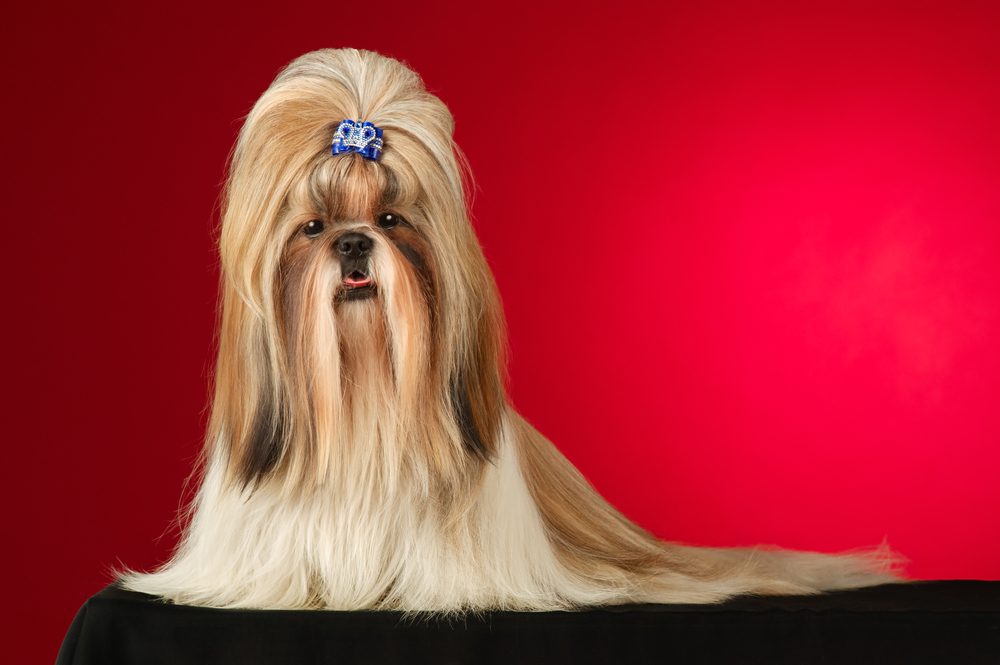
Shih Tzus have floppy, hairy ears. That combination can trap warmth, moisture, and wax, which makes ear problems common in the breed. A few minutes of ear care each week can help you catch trouble early.
This guide covers how to check and clean your Shih Tzu’s ears, what to do about ear hair, the signs of infection, and the supplies that help. It replaces our earlier separate articles on ear cleaning and ear hair removal.
Why Shih Tzus Get Ear Problems
- Hairy ear canals. Shih Tzus grow hair inside the ear canal, which can hold wax and moisture.
- Floppy ear flaps. The ear flap covers the canal and reduces airflow.
- Allergies. VCA Animal Hospitals reports that allergies play a role in as many as 43 percent of ear infections. Itchy skin and itchy ears often go together. See our guide to itchy skin in Shih Tzus.
- Water. Baths and swimming can leave the canal damp.
A 2024 Royal Veterinary College study of more than 11,000 Shih Tzus found ear disorders in 5.5 percent of the dogs, making them one of the breed’s most common health problems.
Quick Picks: Shih Tzu Ear Care Supplies
| Supply | What it is for | Our pick | |
|---|---|---|---|
| Ear cleaner | Routine cleaning of healthy ears | Epi-Otic Advanced Ear Cleanser | Check price on Amazon |
| Ear wipes | Wiping the outer ear flap between cleanings | Pet MD Dog Ear Cleaning Wipes | Check price on Amazon |
| Cotton balls | Wiping loosened wax from the ear opening | Amazon Essentials Cotton Balls | Check price on Amazon |
| Mini trimmer | Trimming hair around the outside of the ear | oneisall Low-Noise Pet Trimmer | Check price on Amazon |
Signs of an Ear Infection
VCA Animal Hospitals lists these common signs of an outer ear infection (otitis externa):
- Head shaking
- Scratching or rubbing the ears
- Redness or swelling inside the ear
- A bad smell
- Black, brown, or yellow discharge
- Pain when the ear is touched
- In long-term cases, thick, crusty skin and a narrowed ear canal
Do not treat an infection at home without a diagnosis. VCA warns against using over-the-counter ear drops before a vet examines the ear. Bacteria, yeast, and ear mites need different medicines. If the eardrum is damaged, some products can cause lasting hearing loss.
How to Check Your Shih Tzu’s Ears
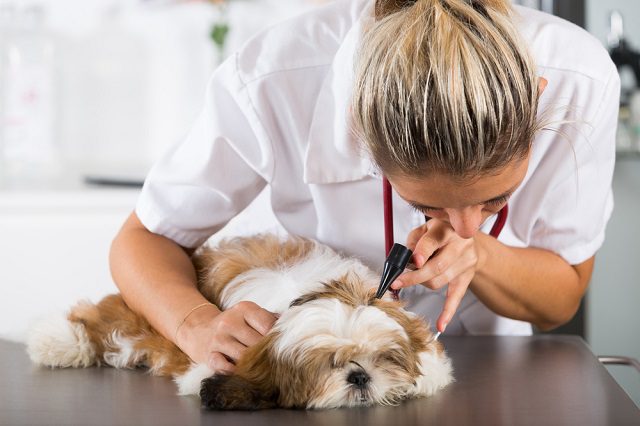
Look at your dog’s ears once a week, for example after brushing. Lift each ear flap and look and sniff.
- Healthy ears are pale pink inside, with little or no wax and no strong smell.
- Problem ears are red, swollen, smelly, painful, or full of dark or sticky discharge.
If you see signs of a problem, do not clean the ear first. Cleaning can make an infected ear more painful and can make it harder for your vet to see what is going on.
How to Clean a Shih Tzu’s Ears
Only clean ears that look healthy. These steps follow VCA Animal Hospitals’ ear cleaning method, adapted for a small dog.
- Sit your Shih Tzu in your lap, or on a towel on a table. Have treats ready.
- Lift the ear flap gently to straighten the ear canal.
- Fill the canal with a dog ear cleaner. Do not let the bottle tip touch the ear.
- Massage the base of the ear for about 30 seconds. You should hear a soft squishing sound.
- Let your dog shake their head. This brings loosened wax up.
- Wipe the ear flap and the ear opening with a cotton ball. Only clean as deep as your finger can reach.
- Repeat on the other ear, then give a treat.
How often should you clean them?
VCA notes that some dogs with healthy ears may rarely need cleaning, while dogs prone to infections may need it more often. Ask your vet what is right for your dog. Many owners clean after baths or swimming, when water may be trapped in the canal.
What not to use
- Cotton swabs (Q-tips). They can push wax deeper or damage the eardrum.
- Hydrogen peroxide or rubbing alcohol. VCA notes these can irritate an inflamed ear.
- Home mixes, oils, or vinegar. These are not a substitute for a vet-approved cleaner or diagnosis.
Should You Pluck Your Shih Tzu’s Ear Hair?
For many years, groomers plucked the hair from inside Shih Tzu ears as a routine step. An earlier version of this article explained how to do it at home. We have removed those instructions.
Veterinary dermatology experts now advise against routine plucking of healthy ears. Pulling hair out can irritate the ear canal and open the hair follicles to infection. Hair removal may still help in some dogs with ongoing infections, so that medicine can reach the skin, but your vet should decide that.
- Trim hair that sticks out of the ear opening with a small trimmer or round-tip scissors.
- Keep the ears clean and dry.
- Tell your groomer if you do not want the ear hair plucked.
- Ask your vet before removing hair from inside the canal.
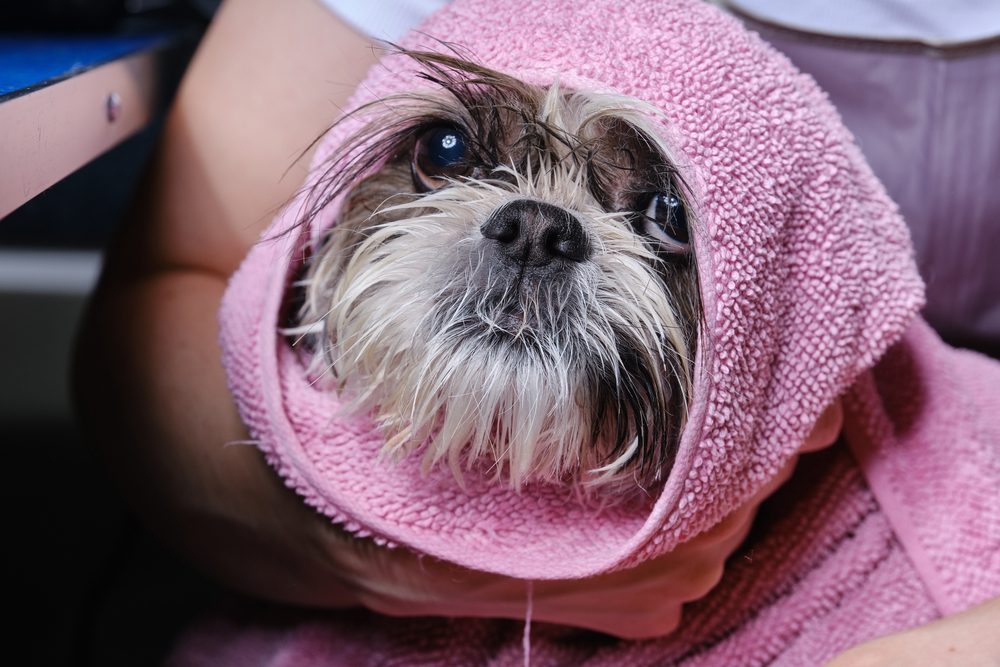
Keeping Ears Dry During Baths
- Hold the ear flaps down over the canals while you rinse the head.
- Wash the face and head with a damp washcloth instead of spraying water.
- Some groomers place a cotton ball loosely at each ear opening during the bath. Always remove it afterward.
- Towel dry the ears and ear flaps well.
See our Shih Tzu grooming guide for a full bath routine.
What Your Vet Will Do
Your vet will look into the ear with an otoscope and check the eardrum. They will usually look at a sample of the discharge under a microscope to find bacteria, yeast, or mites. Treatment depends on the cause. It often includes a medicated ear cleaner and ear drops. Finish the full course and go to the recheck visit, even if the ear looks better.
If infections keep coming back, ask your vet about an underlying cause, such as allergies or a hormone problem. Treating the cause is the key to fewer infections.
Our Recommended Ear Care Supplies
- Epi-Otic Advanced Ear Cleanser. A neutral pH cleanser made for routine cleaning of sensitive ears, developed with veterinary dermatologists, according to the brand. Check price on Amazon →
- Pet MD Dog Ear Cleaning Wipes. Pre-moistened wipes for the ear flap and the area around the opening, for dogs over 12 weeks old. Check price on Amazon →
- Amazon Essentials Cotton Balls. Soft cotton balls for wiping out loosened wax. Check price on Amazon →
- oneisall Low-Noise Pet Trimmer. A small, quiet trimmer for tidying hair around the ear opening and paws. Check price on Amazon →
Always use a routine cleaner only on healthy ears. If your dog has signs of infection, see your vet first.
Frequently Asked Questions
How often should I clean my Shih Tzu’s ears?
It depends on your dog. Some healthy ears rarely need cleaning, while dogs prone to infections may need regular cleaning. Check the ears weekly and ask your vet for a schedule.
Should I pluck my Shih Tzu’s ear hair?
Routine plucking of healthy ears is no longer recommended by veterinary dermatology experts because it can irritate the ear. Trim hair around the opening instead and ask your vet about hair inside the canal.
What does a Shih Tzu ear infection look like?
Common signs are head shaking, scratching, redness, a bad smell, dark or yellow discharge, and pain when the ear is touched.
Can I use hydrogen peroxide to clean my dog’s ears?
No. Hydrogen peroxide and alcohol can irritate the ear canal. Use a cleaner made for dogs and approved by your vet.
Why does my Shih Tzu keep getting ear infections?
Hairy, floppy ears and allergies are common reasons. Repeat infections usually mean an underlying cause, such as allergies, needs to be treated.
Sources
- VCA Animal Hospitals. Ear Infections in Dogs.
- VCA Animal Hospitals. Ear Cleaning in Dogs.
- VetVine. Plucking Hair From Dog Ears.
- Dale F, Brodbelt DC, West G, Church DB, Lee YH, O’Neill DG. Demography, common disorders and mortality of Shih Tzu dogs under primary veterinary care in the UK. Canine Medicine and Genetics, 2024;11:2.
This article is for general information. It is not a substitute for advice from your veterinarian. Read our medical disclaimer.