Shih Tzu Behavior Problems: 9 Common Issues and How to Fix Them
How we researched this guide: This article is based on guidance from the ASPCA, Humane World for Animals (formerly the Humane Society of the United States), and the American Veterinary Society of Animal Behavior (AVSAB). Last reviewed: September 2026.
Most “problem” behaviors in Shih Tzus are normal dog behaviors happening at the wrong time or place. The good news is that calm, reward-based training fixes most of them. This guide covers the most common problems and what to do about each one.
Rule out pain first. A sudden change in behavior, such as new growling, snapping, accidents, or hiding, can be a sign of pain or illness. Book a vet check before starting a training plan. For growling, snapping, or biting, work with your vet and a qualified reward-based trainer or veterinary behaviorist.
Why Punishment Makes Problems Worse
The American Veterinary Society of Animal Behavior states that there is no evidence aversive training is necessary and that it damages both welfare and the human-animal bond. Research links punishment to more fear, anxiety, and aggression. Focus on teaching your Shih Tzu what to do instead.
1. Nipping and Mouthing
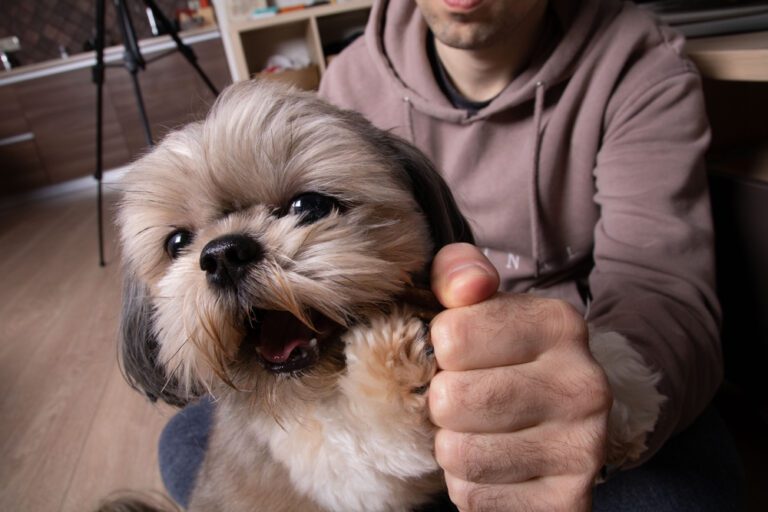
Puppies explore with their mouths. The ASPCA recommends three steps:
- Teach bite inhibition. If your puppy bites too hard, give a short, high-pitched yelp and let your hand go limp.
- Redirect. Offer a toy or chew whenever your puppy mouths your hands. See our safe chew toy guide.
- Use time-outs. If mouthing continues, calmly walk away for a short time so play stops.
The ASPCA warns that slapping or hitting a puppy for mouthing can make them bite harder.
2. Jumping Up
Humane World for Animals recommends giving no attention for jumping. Turn your back and only pet your dog when all four paws are on the floor. Teach a sit for greetings, and ask guests to follow the same rule.
3. Excessive Barking
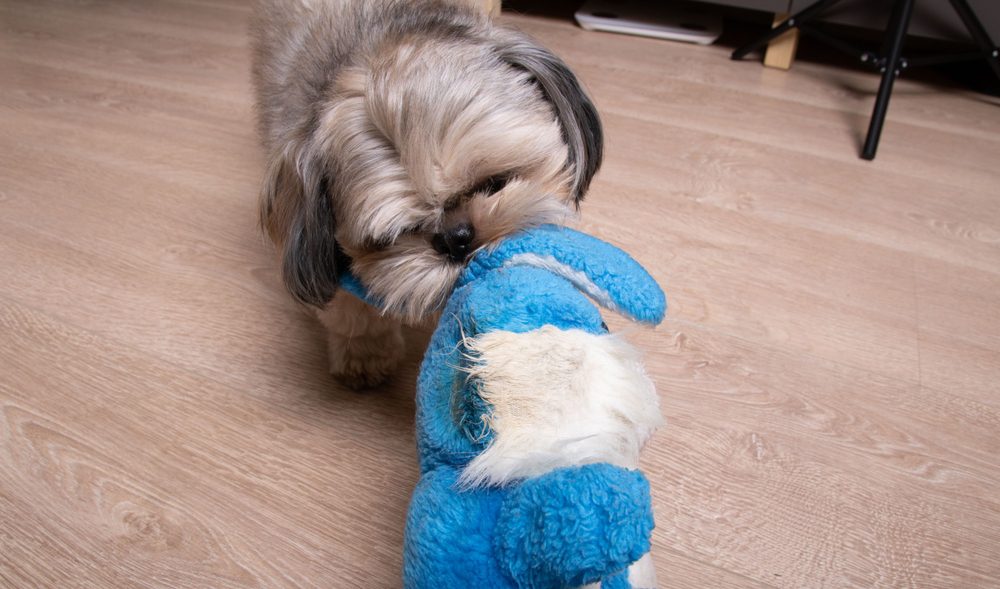
Shih Tzus may bark at noises, visitors, or when bored. Find the trigger, reward quiet, and give enough exercise and play. Our Shih Tzu barking guide covers step-by-step training.
4. Food and Toy Guarding
The ASPCA lists signs such as stiffening over the bowl, gulping food, freezing, growling, staring, or snapping. It advises never punishing or intimidating a dog that guards food. Instead, the ASPCA recommends gradual training where your approach predicts something better, such as a high-value treat added to the bowl. Serious guarding needs help from a qualified professional.
5. House Soiling and Marking
Accidents in a trained dog can be a sign of a urinary problem, so see your vet. If your dog is healthy, go back to a potty schedule and supervision. See our potty training guide and urinary problems guide.
6. Separation Distress
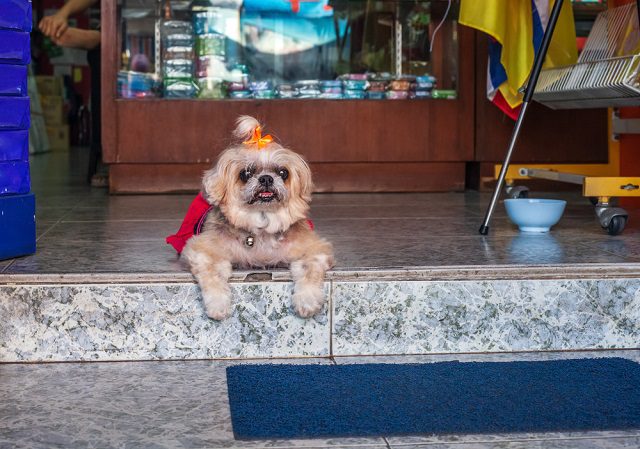
Some Shih Tzus become anxious when left alone and may bark, chew, or have accidents. Build up time alone slowly, and talk to your vet if the distress is severe. Our Shih Tzu anxiety guide explains the signs and treatment options.
7. Chewing Household Items
Chewing is normal, especially in teething puppies. Puppy-proof your home, supervise, and offer safe chew toys. Trade a better item when your dog grabs something off-limits.
8. Resisting Grooming and Handling
Shih Tzus need regular brushing, bathing, and nail trims, so handling practice is essential. Use short sessions, lots of treats, and gentle touch. See our grooming guide.
9. Growling or Snapping
Growling is a warning. Do not punish it, because that can remove the warning and lead to a bite. Give your dog space, look for the trigger, and get professional help. Our guide to aggression in Shih Tzus explains the common causes.

Prevention: Set Your Shih Tzu Up to Succeed
- Socialize early. AVSAB calls the first three months of life the most important time for socialization.
- Use reward-based training every day. See our Shih Tzu training guide.
- Provide daily walks, play, and puzzle toys. See our exercise guide.
- Keep routines predictable.
Frequently Asked Questions
How do I discipline my Shih Tzu?
Use reward-based training instead of punishment. The American Veterinary Society of Animal Behavior states that aversive methods are not necessary and can increase fear and aggression. Teach and reward the behavior you want.
How do I stop my Shih Tzu puppy from biting?
The ASPCA recommends teaching bite inhibition with a short yelp, redirecting to a toy, and using brief time-outs. Avoid slapping or hitting, which can make biting worse.
Why does my Shih Tzu growl at me?
Growling is a warning that your dog is uncomfortable, often because of fear, pain, or guarding. Do not punish it. Give space, rule out pain with your vet, and get help from a qualified professional.
How do I stop my Shih Tzu from jumping on people?
Humane World for Animals recommends ignoring jumping and only giving attention when all four paws are on the floor. Teach a sit for greetings and ask guests to do the same.
Why did my house-trained Shih Tzu start having accidents?
Sudden accidents can be caused by a urinary infection, bladder stones, or other health problems. See your vet first, then return to a potty schedule if your dog is healthy.
Sources
- ASPCA: Mouthing, nipping and biting in puppies
- ASPCA: Food guarding
- Humane World for Animals: How to stop your dog from jumping up
- American Veterinary Society of Animal Behavior: Position statement on humane dog training
- American Veterinary Society of Animal Behavior: Position statement on puppy socialization
This article is for general information. It is not a substitute for advice from your veterinarian. Read our medical disclaimer.