Shih Tzu Characteristics: Physical Traits, Temperament, Health, and Care
This article contains affiliate links. If you purchase through these links, Shih Tzu Pedia may earn a small commission at no additional cost to you. We only recommend products we have researched and believe provide genuine value. See our full Affiliate Disclosure for details.
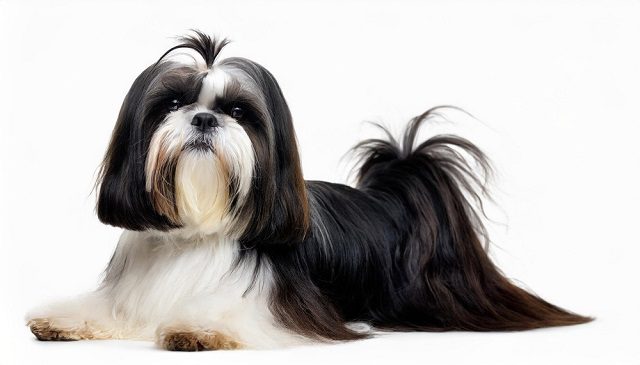
The Shih Tzu is one of the most recognizable toy breeds in the world. Its flowing double coat, broad, round skull, and warm, wide-eyed expression make it immediately distinctive. Its temperament — confident, affectionate, and intensely people-oriented — has been shaped by more than a thousand years of selective breeding as a companion dog.
This guide covers every essential Shih Tzu characteristic in depth: what the AKC breed standard actually specifies, what the temperament means practically for owners, which health conditions the breed is genuinely prone to, how grooming and care work across each life stage, and which products make day-to-day ownership easier.
History and origins of the Shih Tzu breed
The rich history of the Shih Tzu dates back to ancient times, originating in the mountainous regions of Tibet. Bred by Tibetan monks, these dogs were revered for their association with Buddhism, often considered sacred companions that brought joy and tranquility to monastic life.
As the breed evolved, Shih Tzus found their way to the imperial courts of China during the Ming and Qing dynasties. Their royal connection earned them the name “Shih Tzu,” which translates to “Lion Dog” in Mandarin. The breed was adored by Chinese royalty, serving as prized lapdogs and companions within the palace walls.
The journey of the Shih Tzu continued as they were introduced to the Western world in the early 20th century. Empress Dowager Cixi, the last empress of China, played a crucial role in the breed’s global recognition. During her reign, she presented Shih Tzus as diplomatic gifts to visiting dignitaries, contributing to their popularity beyond China’s borders.
Despite political upheavals and time challenges, the Shih Tzu has endured as a beloved and cherished breed. Their captivating history reflects a legacy of companionship, loyalty, and the ability to bring joy to households, making them not just pets but revered family members. Understanding the historical roots of the Shih Tzu enhances our appreciation for these delightful companions and their enduring charm.

Physical Characteristics: What the AKC Breed Standard Specifies
The American Shih Tzu Club’s official breed standard, adopted by the AKC on May 9, 1989, defines the ideal Shih Tzu precisely. Understanding this standard helps owners distinguish a well-bred dog from one that carries structural compromises.
Size and Proportion
According to the AKC standard, ideal height at the withers is between 9 and 10.5 inches (23 to 27 cm). The minimum permitted is 8 inches (20 cm) and the maximum is 11 inches (28 cm). Ideal weight for a mature dog ranges from 9 to 16 lb (4.1 to 7.3 kg). The body is slightly longer than it is tall, measured from the withers to the base of the tail versus from the withers to the ground. The standard explicitly states that the Shih Tzu must never appear leggy or dumpy.
The breed is described as “compact, solid, and carrying good weight and substance.” Despite its classification in the Toy Group, it must meet the same structural soundness requirements as all other AKC breeds.
Head and Expression
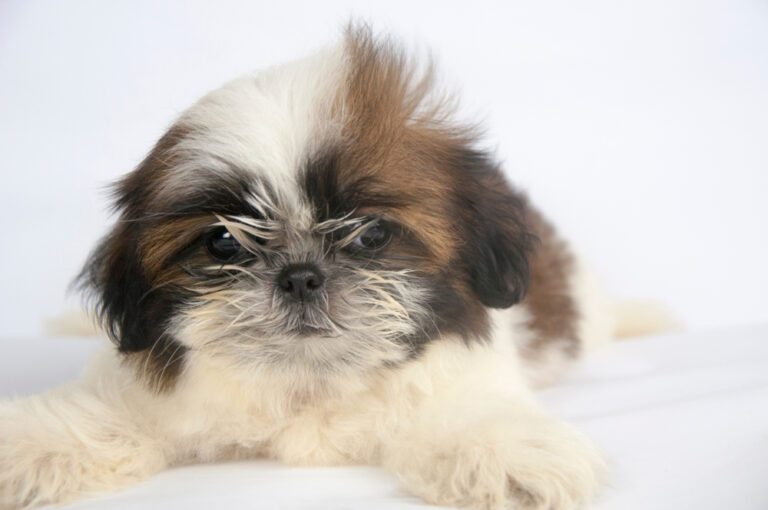
The head is round, broad, and wide between the eyes, proportionate to the overall size of the dog. The skull is domed. There is a definite stop. The muzzle is square, short, and unwrinkled, ideally no longer than 1 inch (2.5 cm) from the tip of the nose to the stop — though length may vary in relation to overall dog size.
The expression is described in the standard as “warm, sweet, wide-eyed, friendly, and trusting.” Eyes are large, round, dark, and set wide apart, looking straight ahead. Lighter eyes are accepted in liver-pigmented and blue-pigmented dogs. The bite is undershot, with a broad, wide jaw. This is a required feature, not a fault.
Nose, lips, and eye rims are black on all colors except liver-pigmented dogs, where these are brown, and blue-pigmented dogs, where these are blue.
Coat
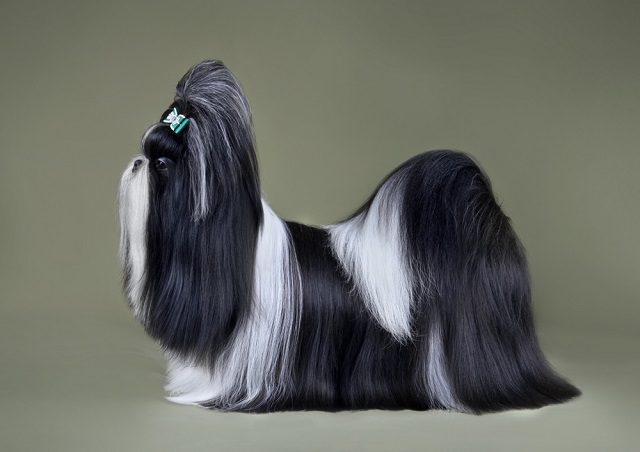
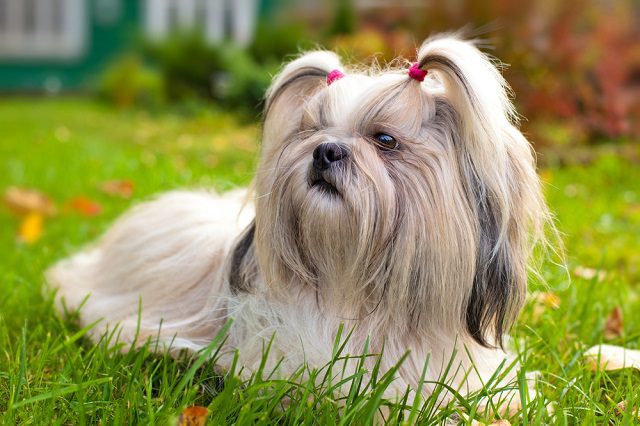
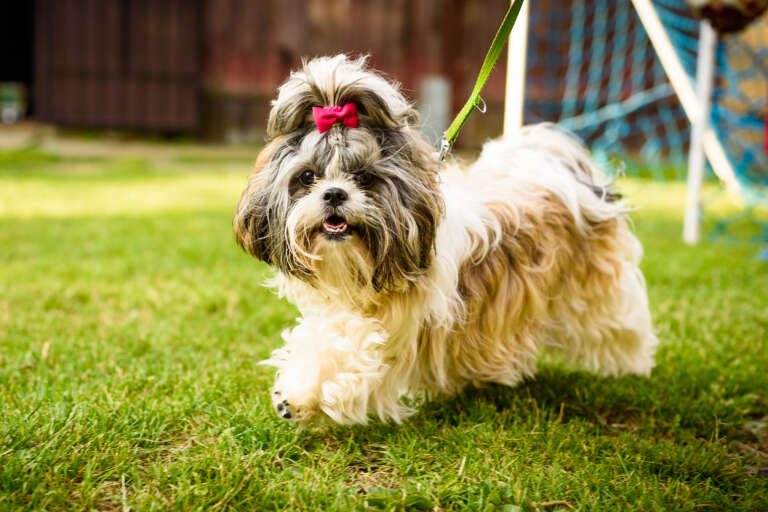
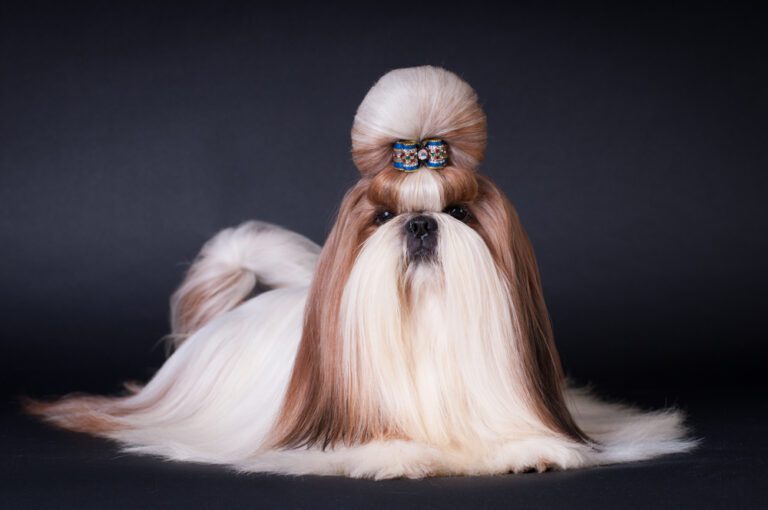
The coat is luxurious, dense, double-layered, and long. A slight wave is permitted. The AKC standard permits grooming for neatness on the feet, the bottom of the coat, and around the anus, but penalizes excessive trimming. All colors and patterns are permissible and are considered equally. The hair on the head is traditionally tied up in a topknot.
The double coat consists of a soft, shorter undercoat for insulation and a longer outer coat of silky hair. This coat structure is unlike most other breeds, which have fur. Shih Tzus have hair — similar in texture to human hair — that grows continuously and mats easily if not maintained.
Tail and Gait
The tail is set high, heavily plumed, and carried in a graceful curve well over the back. A tail that is too loose, too tight, too flat, or set too low is penalized. The gait is smooth, flowing, and effortless, with good front reach and strong rear drive. The topline remains level while moving, and the head is carried naturally high.
Temperament: What the Standard Requires and What It Means in Practice
The AKC breed standard is unusually direct about temperament. It states: “As the sole purpose of the Shih Tzu is that of a companion and house pet, it is essential that its temperament be outgoing, happy, affectionate, friendly, and trusting toward all.” Viciousness and extreme shyness are listed as disqualifications.
This is not simply a preference. It is a breed requirement. A Shih Tzu that is persistently fearful, reactive, or aggressive is not expressing an individual personality quirk — it is failing a defined breed characteristic.
In practice, what this means for owners:
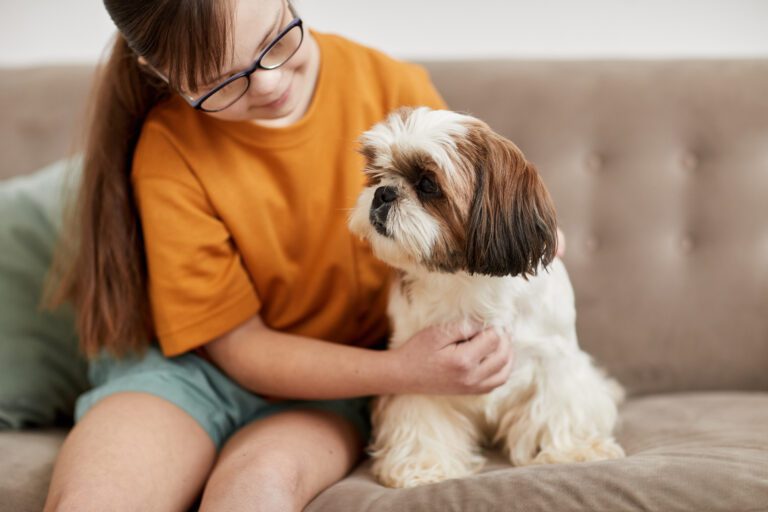
Affection is constant and active. Shih Tzus do not observe from a distance. They seek physical contact and proximity to their people throughout the day. This is a genetically fixed trait, not learned behavior. A Shih Tzu that lacks access to companionship will develop anxiety behaviors.
Playfulness persists into old age. The breed retains an enthusiastic, sometimes clownish energy well into adulthood. Owners often describe them as perpetual puppies in terms of play drive.
Alertness is genuine but limited. Shih Tzus will bark to signal something unusual. They are not guard dogs and should not be expected to perform that role reliably.
Adaptability is high. The breed functions equally well in apartments, suburban homes, and multi-pet households. It adapts to the owner’s schedule rather than demanding a fixed routine.
Independence exists but is mild. Shih Tzus can occupy themselves for short periods. However, extended isolation consistently produces separation anxiety. For a full discussion of anxiety management, see: Shih Tzu Anxiety: How to Deal With It

Health Characteristics: 8 Conditions Every Owner Should Know
Because the Shih Tzu was selectively bred for specific physical characteristics — a shortened skull, compact body, and prominent eyes — several structural health vulnerabilities are built into the breed. A peer-reviewed study published in PLOS ONE by researchers at the Royal Veterinary College and published on PubMed Central identified the most common disorders in Shih Tzus under primary veterinary care in the UK, confirming that brachycephalic-related conditions, dental disease, and skin conditions are consistently the highest-frequency health concerns.
1. Brachycephalic Obstructive Airway Syndrome (BOAS)
BOAS is the single most significant structural health concern in the breed. The Shih Tzu’s shortened skull reduces the space available in the upper airway without proportionally reducing soft tissue, creating airflow obstruction. Structural components typically include stenotic nares (narrowed nostrils), an elongated soft palate, and a narrowed trachea.
Clinical signs range from noisy breathing and exercise intolerance to cyanosis (blue gums) and collapse in severe cases. Hot, humid weather significantly worsens symptoms. Surgical correction is available and effective in moderate to severe cases. Owners should never use a collar that applies tracheal pressure — a chest harness is essential for this breed.
For full detail, see: Shih Tzu Breathing Problems
2. Dental Disease
Research cited by DogMatchUp’s breed health database — drawing from Harvey (1998) in Veterinary Clinics of North America — notes that over 80% of Shih Tzus are affected by dental disease by age 3. The breed’s brachycephalic jaw forces a standard number of teeth into a reduced space, creating crowding, misalignment, and accelerated plaque accumulation.
The American Veterinary Dental College identifies periodontal disease as the most common disease in adult dogs, and small brachycephalic breeds are among the highest-risk groups. Untreated periodontal disease progresses to tooth loss, painful abscesses, and systemic infections affecting the heart, liver, and kidneys.
Daily tooth brushing beginning in puppyhood is the single most effective preventive measure. Annual professional dental cleanings are recommended from age two onward. See: Shih Tzu Teeth Care: Complete Guide
3. Eye Conditions
The Shih Tzu’s large, prominent eyes in shallow orbital sockets create multiple vulnerability points. Conditions documented in the breed include keratoconjunctivitis sicca (dry eye), corneal ulcers, pigmentary keratitis, cataracts, progressive retinal atrophy, and proptosis.
A study published in Veterinary Ophthalmology examining 1,000 Shih Tzu eyes found that pigmentary keratitis — a condition where black pigment deposits on the cornea — is present in over 90% of Shih Tzus with brachycephalic ocular syndrome, and can progress to blindness if untreated. Proptosis (eyeball displacement from the socket) is a genuine emergency risk for this breed, particularly if a collar applies sudden neck pressure.
Routine eye checks and prompt veterinary attention to any change in eye appearance are essential. See: Shih Tzu Eye Care: Problems, Symptoms, and Treatments
4. Renal Dysplasia
Renal dysplasia is a genetic kidney developmental disorder that affects Shih Tzus more than most other breeds. The American Shih Tzu Club has actively pursued research to identify a genetic marker for the condition. Kidney function abnormalities can present in young dogs and progress to early-onset kidney failure.
Symptoms include increased thirst and urination, weight loss, vomiting, and poor coat condition. Regular urinalysis and bloodwork, especially in young dogs from lines with known prevalence, enable earlier detection. For dogs in breeding programs, renal function testing before breeding is recommended.
5. Intervertebral Disc Disease (IVDD)
Research from the Bannasch Laboratory at the University of California, Davis, cited by DogWellNet’s breed health report, identified that 25% of the Shih Tzu population carries the CDDY allele associated with abnormal disc degeneration and IVDD risk. Dogs carrying this allele experience premature disc degeneration that can lead to spinal cord compression.
Signs include sudden reluctance to jump, hunched posture, crying when touched along the back, or acute hindlimb weakness. Owners should avoid activities that strain the spine — such as allowing unsupervised jumping from furniture — and should seek immediate veterinary care at the first sign of back pain or mobility change.
6. Ear Infections
The Shih Tzu’s heavily coated, drooping ears trap moisture and restrict airflow — conditions that favor bacterial and yeast overgrowth. Hair growing inside the ear canal further compounds the problem. Weekly ear checks and regular cleaning with a veterinarian-approved ear cleaner are the primary preventive measures.
For instructions on proper technique, see: How to Properly Clean and Care for Your Shih Tzu’s Ears
7. Allergies and Skin Conditions
Shih Tzus are prone to both environmental and food allergies, often presenting as skin irritation, paw licking, ear infections, and facial fold dermatitis. The breed’s facial folds create warm, moist skin creases that can develop dermatitis without regular cleaning.
For a detailed breakdown of allergy causes, signs, and treatments, see: Allergies in Shih Tzus: Signs, Causes, and Treatments
8. Hip Dysplasia and Patellar Luxation
While hip dysplasia is more commonly associated with large breeds, it occurs in Shih Tzus and can cause hindlimb lameness and progressive arthritis. Patellar luxation — where the kneecap slips out of its groove — is also documented in the breed and presents as intermittent hindlimb kicking or skipping during movement. Maintaining a healthy weight and providing low-impact regular exercise reduces the progression of both conditions.
Grooming Characteristics: What the Coat Demands
The Shih Tzu’s double coat is the defining maintenance requirement of the breed. Unlike fur-coated breeds that shed, Shih Tzu hair grows continuously and mats at the skin level without regular intervention. Surface-level brushing that addresses only the outer coat will leave mats developing unseen underneath.
Daily Brushing
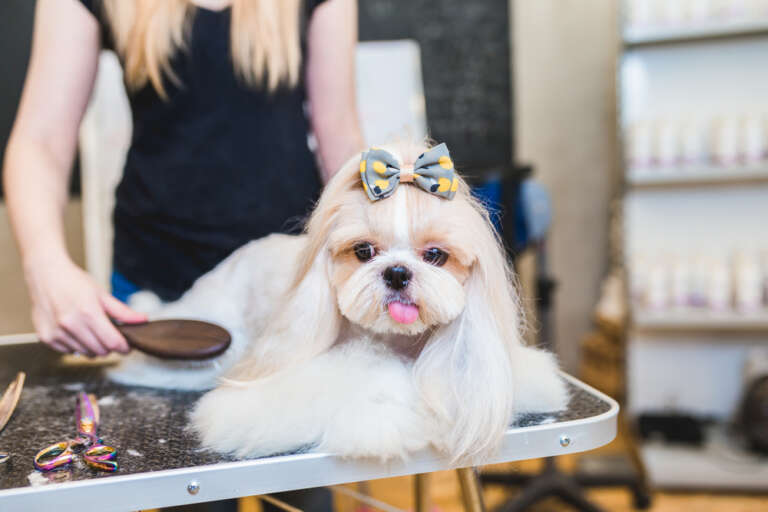
Professional groomers recommend brushing at least every two to three days for dogs kept in a longer coat, and at least every four to five days for those in a puppy cut. Brushing sessions should work through the coat in small sections, from the skin outward. Common matting sites include behind the ears, under the armpits, around the collar, and between the hind legs.
The right tool is essential. A quality slicker brush with flexible pins — such as the Chris Christensen Big G Slicker Brush — reaches through the double coat without scratching the skin and is consistently recommended by certified groomers for Shih Tzu coats specifically. Following with a steel greyhound comb confirms that no mats remain at skin level.
For a full guide to brushes, see: Best Brushes for Shih Tzus
Bathing
Bathing every three to four weeks keeps the coat clean and reduces skin irritation. Using a dog-specific shampoo formulated for silky coats preserves the natural oils in the hair shaft. A lightweight conditioning spray used between baths — such as BioSilk for Dogs Detangling Spray — reduces breakage during daily brushing and keeps friction areas manageable between wash days.
See the full guide: How to Bathe a Shih Tzu Puppy

Dental Hygiene
Given the breed’s documented 80% dental disease rate by age 3, daily brushing with a dog-safe enzymatic toothpaste is the most impactful single health habit an owner can establish. The Vet’s Best Enzymatic Dog Toothbrush and Toothpaste Kit uses natural enzymes and baking soda to break down plaque and is suitable from puppyhood onward. The kit includes a finger brush for initial training and a standard brush for adult use.
Nail Trimming
Nails should be trimmed every three to four weeks. Overgrown nails force the toes to splay, altering gait and causing discomfort over time. The Millers Forge Professional Dog Nail Clipper is a highly rated, veterinarian-recommended tool for small breeds. Its sharp stainless-steel blade makes clean cuts that minimize the risk of splitting or crushing the nail.
See the full guide: Mastering the Art of Shih Tzu Nail Trimming
Eye and Ear Care
Daily gentle cleaning of facial folds and the area under the eyes with a soft, damp cloth reduces tear staining and prevents skin fold dermatitis. Weekly ear checks — looking for redness, odor, or dark discharge — allow early detection of infection. See: Shih Tzu Eye Boogers: Effective Solutions
Nutritious Diet
A well-balanced, high-quality diet is fundamental to a Shih Tzu’s overall health. Consultation with a veterinarian can aid in determining the appropriate diet based on factors such as age, weight, and any specific health considerations.
Regular Exercise
Despite their small size, Shih Tzus benefit from regular exercise to maintain a healthy weight and mental well-being. Daily walks, playtime, and interactive activities contribute to their overall fitness.
By incorporating these grooming and care guidelines into the routine, owners can ensure that their Shih Tzu looks delightful and enjoys optimal health and comfort throughout their lives. Regular veterinary check-ups are recommended to address specific health concerns and provide these beloved companions with a long, happy life.
Training and Behavior Characteristics
The Shih Tzu is intelligent and trainable, but carries the confident temperament of a breed that spent centuries living beside royalty with no functional work requirements. This combination means the breed responds quickly to positive reinforcement and poorly to harsh correction or repetitive drills.
Several training characteristics are consistent across the breed.
Shih Tzus are food-motivated, which makes positive reinforcement highly effective. Short training sessions of five to ten minutes produce better results than long sessions, as the breed’s attention shifts quickly when boredom sets in. Consistency across all household members is essential — a Shih Tzu will identify and exploit any inconsistency in rules immediately.
House training requires a firm, structured approach. The breed’s small bladder capacity means puppies need outdoor access every one to two hours. Crate training significantly accelerates the process. For a step-by-step guide, see: How to Potty Train Shih Tzus
Early socialization — exposure to a wide range of people, dogs, sounds, and environments before 16 weeks of age — directly shapes how confident and well-adjusted the adult dog becomes. Shih Tzus that miss this window are more likely to develop fear-based reactions or persistent shyness, which conflicts with the breed’s required temperament standard.
For the full training framework, see: Shih Tzu Training 101
Exercise and Nutrition Characteristics
The Shih Tzu has moderate exercise needs that are easily met in any living situation. According to Hill’s Pet Nutrition’s breed profile, the breed benefits from 20 to 30 minutes of daily activity. This can include two short walks and indoor play. Brachycephalic structure means that hot, humid conditions require particular caution — exercise in warm weather should be limited to early morning or evening hours.
The breed is highly susceptible to weight gain. Obesity compounds every brachycephalic condition the breed faces — it narrows the airway further, increases pressure on intervertebral discs, and accelerates joint degeneration. Portion control is a non-negotiable aspect of Shih Tzu care. Treats should not exceed 10% of daily caloric intake.
A high-quality small-breed dry food, formulated to support dental health through kibble texture and appropriate calcium-to-phosphorus ratios, is the standard dietary recommendation. Consultation with a veterinarian at each life stage determines whether caloric adjustments or supplement additions are warranted.
For exercise guidance in detail, see: Shih Tzu Exercise Needs and How Far Can a Shih Tzu Walk?
Life Stage Characteristics: Puppy to Senior
Puppyhood — Birth to 12 Months
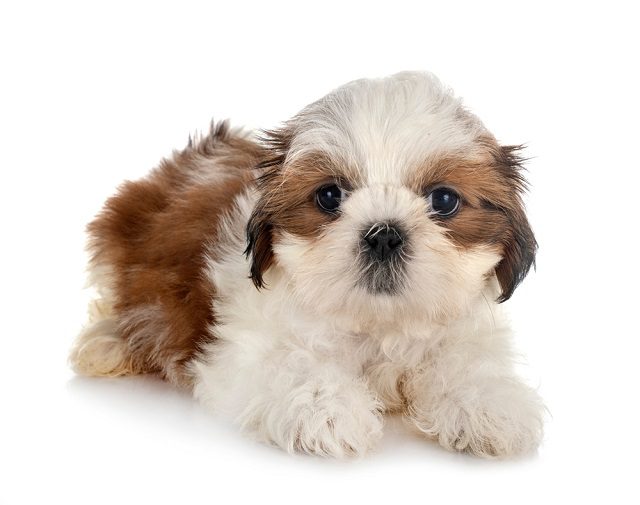
Shih Tzu puppies mature quickly relative to larger breeds, reaching adult size by approximately 10 months. The first 16 weeks represent the critical socialization window. During this period, positive exposure to a wide range of stimuli shapes adult confidence and temperament. Vaccination, parasite prevention, and the start of dental hygiene habits all belong in this stage.
For a complete guide, see: Shih Tzu Puppy Care Guide
Adolescence — 12 to 24 Months
Adolescent Shih Tzus frequently test limits. Training that was consistent during puppyhood must continue without relaxation. Energy levels are typically at their peak during this stage. Continued reinforcement of house rules and structured positive training produces the settled adult temperament the breed is known for.
Adulthood — 2 to 7 Years
The adult stage represents the breed at its most stable. Health monitoring through annual veterinary examinations should cover dental health, eye condition, body weight, and any respiratory signs. Grooming needs remain consistent throughout this period.
Mature Adulthood — 7 to 10 Years
At this stage, slowing metabolism may require caloric reduction to prevent weight gain. Joint mobility may begin to decrease. Annual examinations should expand to include bloodwork and urinalysis to screen for early-stage renal disease and other organ concerns. The American Shih Tzu Club notes that dogs with pre-existing health conditions may enter this phase earlier.
Senior Years — 10 Years and Beyond
Shih Tzus are considered geriatric at age 10. Twice-yearly veterinary examinations are recommended at this stage. Senior-appropriate nutrition, joint supplements if indicated, and environmental modifications — such as ramps instead of stairs — support comfort and mobility. For an in-depth look at what aging means for this breed, see: At What Age Is a Shih Tzu Considered a Senior Dog? and How Long Do Shih Tzu Dogs Live?
Recommended Gear for Daily Shih Tzu Care
The right tools reduce grooming time, protect the coat, and make daily maintenance genuinely manageable. These are the products with the strongest track record for this breed specifically.
Chris Christensen Big G Slicker Brush — The professional standard for Shih Tzu coat maintenance. Flexible pins reach the undercoat without scratching. Essential for daily brushing. View on Amazon
Andis Steel Greyhound Comb — Used after every brush session to confirm no mats remain at skin level. The dual-tooth spacing handles both body coat and fine facial hair. View on Amazon
BioSilk for Dogs Detangling Spray — A light misting before brushing significantly reduces breakage, particularly in friction areas behind the ears and under the armpits. View on Amazon
Vet’s Best Enzymatic Dog Toothbrush and Toothpaste Kit — Given the breed’s 80% dental disease rate by age 3, daily brushing from puppyhood is the most impactful preventive health habit available to owners. View on Amazon
Millers Forge Professional Dog Nail Clipper —A veterinarian-recommended stainless-steel nail clipper sized for small breeds. Sharp blade makes clean cuts without crushing the nail. View on Amazon
Puppia Soft Step-In Dog Harness — Because collar pressure on the trachea creates real risk for brachycephalic dogs, a chest harness is the required alternative for all walks. View on Amazon
Final thoughts
Understanding Shih Tzu characteristics in full — not just the appealing ones — is what separates owners who are consistently prepared from those who are constantly caught off guard. The breed’s physical beauty comes with real structural trade-offs. Its devoted temperament comes with a genuine need for daily companionship. Its long lifespan comes with health conditions that are manageable when caught early and costly when missed. None of this makes the Shih Tzu a difficult breed — it makes it a specific one. Owners who invest in the right grooming tools, establish dental habits in puppyhood, learn to recognize early signs of BOAS and eye problems, and maintain consistent positive training will share their home with one of the most rewarding companion dogs available. For the next step, read our full Shih Tzu Grooming and Care Guide or explore the Shih Tzu Training 101 guide to build the right foundation from the start.