Biggest Shih Tzu: Size Variation, Oversized Dogs, and What It Means for Health
When people search for the “biggest Shih Tzu” or stumble across terms like “King Shih Tzu” or “Giant Shih Tzu” online, they usually encounter two types of content: marketing copy from breeders selling oversized dogs as something special, and genuine curiosity from owners whose dogs came out larger than expected.
This article addresses both directly. It covers what the AKC breed standard actually defines for Shih Tzu size, how and why some dogs fall above that standard, whether oversized Shih Tzus constitute a distinct type or breed, and — most importantly — what the health implications are for dogs carrying more weight than the standard supports. It also covers what genuine care for a larger Shih Tzu looks like in practice.
What the AKC Standard Actually Says About Shih Tzu Size
The American Shih Tzu Club’s breed standard, adopted by the AKC on May 9, 1989, specifies the following for size:
Height: Ideal is 9 to 10.5 inches (23 to 27 cm) at the withers. The absolute range permitted is 8 to 11 inches (20 to 28 cm). Dogs outside this range are penalized in conformation.
Weight: The ideal weight for mature dogs is 9 to 16 lb (4.1 to 7.3 kg). The standard describes this as “ideal” rather than an absolute disqualifying limit, which means some flexibility exists in practice — but the intention is clear.
Proportion: The body is slightly longer than it is tall. The dog must never appear leggy or dumpy. The standard describes the Shih Tzu as “compact, solid, carrying good weight and substance” — meaning it should feel heavy for its size, not light and fragile.
Critical point: There is no AKC-recognized subtype or size category within the Shih Tzu breed. Terms like “King Shih Tzu,” “Giant Shih Tzu,” “Imperial Shih Tzu,” “Teacup Shih Tzu,” and “Miniature Shih Tzu” are all marketing labels — not recognized breed designations. The AllShihTzu.com size reference — one of the most comprehensive independent breed resources — confirms this directly: “There is no such breed as the Imperial Shih Tzu or any other term meant to imply there is an official variety smaller than the standard 9–16 pounds.” The same applies equally to supposed larger varieties.
Do “Giant” or “King” Shih Tzus Actually Exist?
No. These are invented marketing labels, not documented breed categories. No kennel registry in the world — including the AKC, UKC, Canadian Kennel Club, or Fédération Cynologique Internationale — recognizes a larger-than-standard Shih Tzu variety under any name.
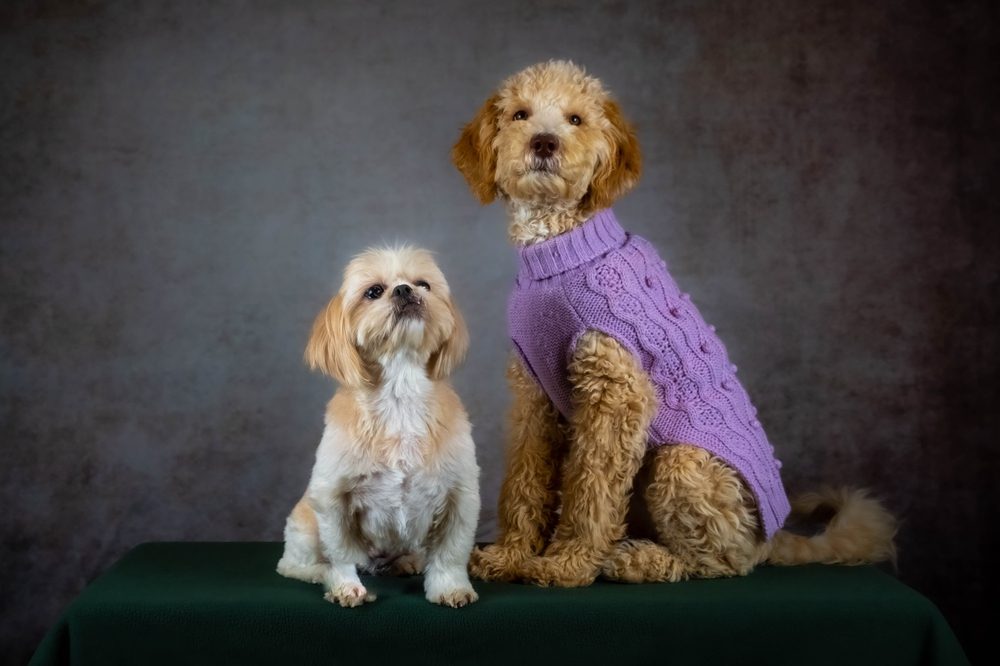
What does exist is natural size variation. A survey of 2,520 adult Shih Tzus conducted by AllShihTzu.com found that while 65% of dogs fell within the 9 to 16 lb standard range, approximately 23% — nearly one in four — weighed 17 lb (7.7 kg) or more as adults. This is a substantial proportion of the real-world Shih Tzu population, and it reflects genuine genetic variation within the breed rather than any recognized subtype.
Dogs that fall above the standard weight do so for one of three reasons:
Natural genetic variation: Some dogs simply inherit larger physical traits from their parents, even when both parents fall within the standard. This is biologically normal and produces dogs that are structurally sound but larger than the AKC ideal.
Obesity: Excess weight makes a dog appear and weigh more than its frame is designed to support. This is the most common cause of above-standard weight in companion dogs and is directly linked to health consequences. It is not a size type — it is a health condition.
Intentional breeding for larger size: Some breeders deliberately select the largest dogs from successive litters to produce consistently bigger offspring. This practice prioritizes size over the structural integrity that the AKC standard was built to protect, and it carries its own health implications as dogs are pushed toward or beyond the upper structural limits of the breed.
What Oversized Shih Tzus Look Like
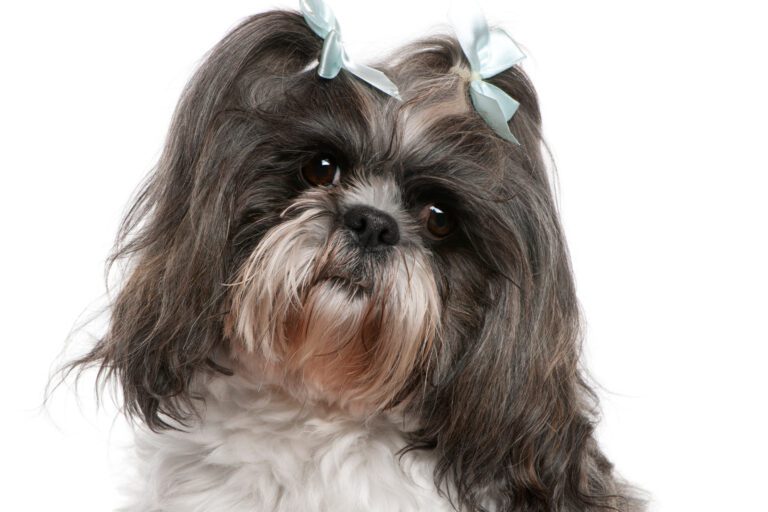
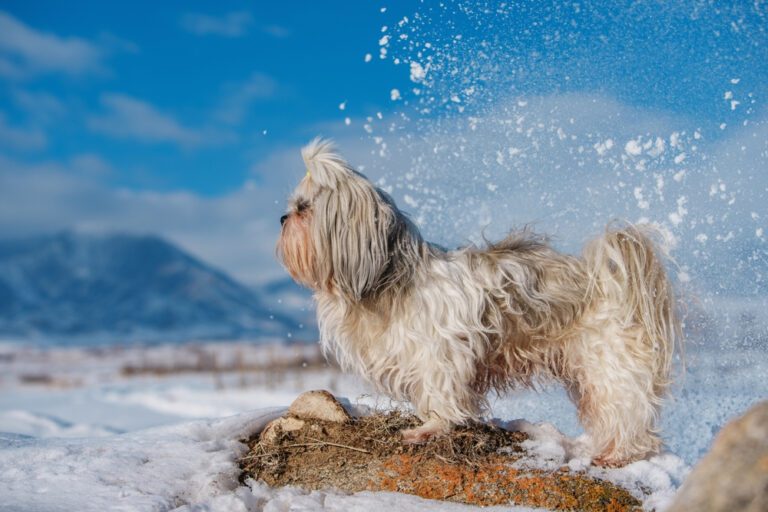
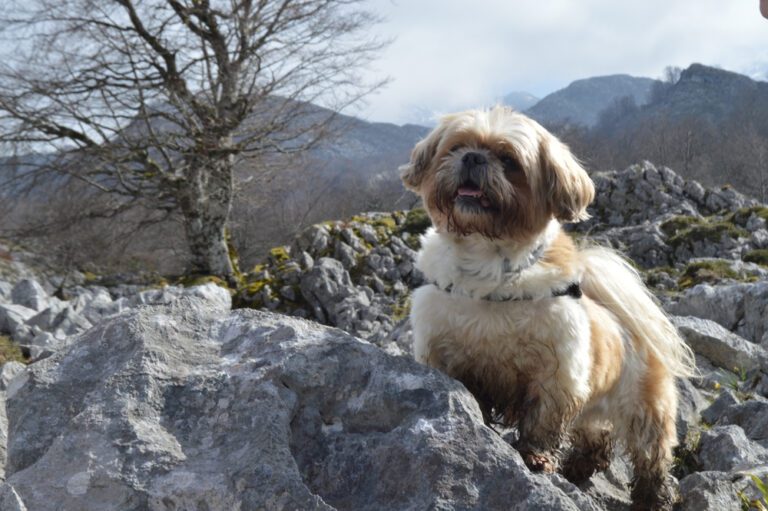
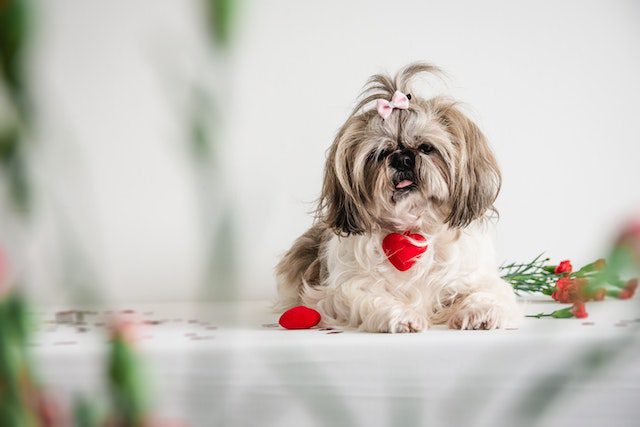
A Shih Tzu at 17 to 20 lb (7.7 to 9.1 kg) is recognizably still a Shih Tzu — the same round broad skull, same large expressive eyes, same double coat in any color, same plume-tailed carriage. Physically, larger dogs may present a slightly broader chest and a more substantial overall frame. Some appear proportionally well-balanced despite the extra size. Others, particularly those carrying excess weight rather than excess frame, display a rounder, less defined body outline with reduced visibility of the waist tuck behind the ribs.
The AKC breed standard describes the ideal as a dog that is “compact and solid” and “carries good weight and substance.” A dog significantly above 16 lb may still appear compact and solid if the weight is carried on a proportionally larger frame. A dog of 18 to 20 lb that is obese will lack the defined musculature and waist of a well-conditioned specimen.
The Health Implications of Being Above Standard Weight
This is the most important section of this article for owners of larger Shih Tzus, because the health consequences of excess weight in a brachycephalic breed are specific and significant.
Worsened Brachycephalic Airway Syndrome
Every Shih Tzu carries some degree of brachycephalic airway risk due to the breed’s flat skull structure. Excess weight compounds this directly. According to PetMD’s Shih Tzu breed health profile, obesity leads to difficulty breathing, specifically because the compressed airway of a brachycephalic dog cannot compensate for the additional chest and neck tissue that excess weight adds. An oversized or obese Shih Tzu will breathe more noisily, overheat faster, and tolerate exercise less well than a lean dog of the same breed. For full details on BOAS, see: Shih Tzu Breathing Problems
Accelerated Joint Deterioration
The Shih Tzu is already predisposed to patellar luxation and hip dysplasia. Excess weight places additional mechanical stress on these already-vulnerable joints. According to AllShihTzu.com’s weight guidance, because the Shih Tzu is prone to both hip dysplasia and patellar luxation, any extra weight puts even more stress on these vulnerable areas. Even one to two pounds above the optimal weight for a small-framed dog creates a meaningful additional load on the kneecaps and hip joints with every step.
Increased IVDD Risk
Research has confirmed that 25% of the Shih Tzu population carries the CDDY allele associated with abnormal intervertebral disc degeneration. Excess body weight increases the compressive load on already-compromised discs, accelerating degeneration and elevating the risk of disc herniation. Maintaining a lean body weight is one of the most effective non-surgical interventions for reducing IVDD progression risk in at-risk dogs.
Cardiovascular and Metabolic Consequences
Black Creek Animal Clinic’s veterinary breed profile states directly that obesity in Shih Tzus is a serious disease that may cause or worsen joint problems, metabolic and digestive disorders, back pain, and heart disease. Excess weight strains the entire cardiovascular system — a particularly meaningful concern for a breed that already carries documented cardiac vulnerabilities. It also increases diabetes risk, which compounds weight management challenges once established.
Dental Disease Acceleration
A peer-reviewed study published on PubMed Central by Royal Veterinary College researchers identified periodontal disease as the single most common disorder in Shih Tzus under primary veterinary care in the UK. Obesity does not directly cause dental disease, but it reduces a dog’s overall health resilience and is associated with reduced owner engagement in preventive care routines — including dental brushing — that protect against progression.
Is Your Larger Shih Tzu Overweight or Just Big?
This is a question every owner of an above-standard Shih Tzu should answer honestly. The following assessment works regardless of coat length.
Rib check: Run both hands firmly along the dog’s sides from behind the shoulders toward the hips. You should be able to feel individual ribs without significant pressure. If you cannot locate ribs without pressing firmly, the dog is overweight. If ribs protrude visibly or are immediately palpable with no pressure at all, the dog may be underweight.
Waist check: Stand directly over the dog and look down. A dog at a healthy weight will show a visible narrowing behind the rib cage — a waist tuck. A dog without any visible waist when viewed from above is overweight for its frame.
Profile check: View the dog from the side. The abdomen should be slightly tucked upward from the ribcage to the loins. A flat or sagging abdomen in profile indicates excess weight.
If the rib check and waist check suggest excess weight, a veterinary body condition score assessment will provide a precise measurement. The standard nine-point body condition score system places ideal condition at 4 to 5 out of 9. A Shih Tzu scoring 7 or above is overweight; scoring 8 or 9 is obese.
Caring for a Larger or Above-Standard Shih Tzu
Whether your Shih Tzu is naturally larger due to genetic variation or carrying excess weight, the following care principles apply.
Weight Management Is Non-Negotiable
Measure all food portions by weight or volume rather than estimating. Most adult Shih Tzus — including those at the upper end of the weight range — consume between half a cup and one cup (approximately 1.5 to 3 oz or 43 to 85 g) of high-quality small-breed dry food daily, divided across two meals. Treats must not exceed 10% of daily caloric intake. Any weight loss should be gradual — approximately 0.25 to 0.5 lb (110 to 225 g) per week — to avoid muscle loss alongside fat reduction.
Exercise Must Be Consistent and Climate-Appropriate
Larger Shih Tzus need the same 20 to 30 minutes of daily moderate activity as standard-sized dogs — but their exercise tolerance is typically lower than a lean dog’s, particularly in warm weather. Two short walks in the cooler parts of the day are preferable to one longer walk in midday heat. Gradual increases in duration as fitness improves produce better results than sudden intensity increases. For details, see: Shih Tzu Exercise Needs
Grooming Remains Identical
A larger Shih Tzu’s double coat requires the same brushing frequency, bathing schedule, dental care, nail trimming, and ear and eye maintenance as any other Shih Tzu. Grooming sessions are also an opportunity to monitor the dog’s body condition — running hands through the coat while brushing provides regular tactile feedback on weight changes between veterinary visits. For grooming tool guidance, see: Best Brushes for Shih Tzus
Veterinary Monitoring Adjustments
Larger or above-standard Shih Tzus benefit from more frequent weight checks — every three months rather than annually — particularly if they have previously struggled with weight management. Bloodwork to screen for thyroid function is appropriate if weight gain is unexplained and resistant to dietary management, as hypothyroidism is a documented cause of secondary obesity in the breed. Joint mobility should be assessed annually from age five onward, given the elevated mechanical stress on orthopedic structures in heavier dogs.
A Harness Is Essential
Regardless of size, every Shih Tzu — including larger ones — should be walked on a chest harness rather than a collar. Collar use applies pressure directly to the trachea in a brachycephalic breed, worsening respiratory restriction. In a heavier dog, the additional pulling force on a collar creates proportionally greater tracheal risk. See: Shih Tzu Grooming and Care
Finding a Larger Shih Tzu: What to Look For
If you are specifically seeking a Shih Tzu at the upper end of the standard weight range — say, 13 to 16 lb rather than 9 to 11 lb — this is a reasonable preference and does not require seeking out breeders selling non-standard “King” or “Giant” dogs.
The best approach is to work with an AKC-registered breeder who breeds to the standard and can show you the weight history of both parents. Dogs from lines that consistently produce 14 to 16 lb adults are available without resorting to breeders who market invented size categories. A reputable breeder will be transparent about the adult weights of previous litters, provide health testing documentation for both parents, and be willing to discuss the realistic adult weight range for any specific puppy.
Rescue is also a meaningful option. Adult Shih Tzus available through rescue organizations have established adult weights — removing the uncertainty about final size that comes with purchasing a puppy. For adoption guidance, see: Shih Tzu Adoption Pros and Cons
Recommended Gear for Larger Shih Tzus
Gooby Escape Free Easy Fit Dog Harness
For larger Shih Tzus requiring a sturdier harness than the standard toy-breed options, the Gooby Escape Free Easy Fit Harness provides a padded chest and belly panel with two leash attachment points. It is available in sizes appropriate for dogs up to 20 lb and is consistently rated among the most durable small-breed harnesses for active dogs.
Hill’s Science Diet Small Paws Adult Dog Food
For above-standard Shih Tzus that need controlled-calorie nutrition, Hill’s Science Diet Small Paws provides a balanced formula designed for small breeds with an emphasis on lean muscle maintenance and joint support. Developed with input from veterinary nutritionists.
Vet’s Best Enzymatic Dog Toothbrush and Toothpaste Kit
Dental disease affects over 80% of Shih Tzus by age three, regardless of size. The Vet’s Best Enzymatic Kit remains the single most impactful daily health habit for any Shih Tzu. Daily brushing from puppyhood using natural enzymatic toothpaste prevents the periodontal progression that is the breed’s most documented disorder.
Cosequin DS Plus MSM Joint Health Supplement
For above-standard or overweight Shih Tzus showing early signs of joint stiffness or carrying additional mechanical load on their orthopedic structures, a glucosamine and chondroitin supplement supports cartilage health. Cosequin DS Plus MSM is one of the most extensively studied joint supplements in veterinary medicine and is consistently recommended for small breeds with orthopedic vulnerability.
FAQs
How big do Shih Tzus get?
The AKC breed standard specifies an ideal height of 9 to 10.5 inches at the shoulders and an ideal weight of 9 to 16 lb for a mature dog. While the permitted height range is 8 to 11 inches, natural genetic variation exists; approximately 23% of adult Shih Tzus weigh 17 lb or more. The breed is naturally compact, solid, and heavy for its size due to high bone density.
Is there a Giant or King Shih Tzu breed? No. Giant Shih Tzu and King Shih Tzu are invented marketing labels—not recognized breed designations. No legitimate kennel registry recognizes a larger-than-standard variety. While some dogs are larger due to genetics or breeding, they all belong to the same single Shih Tzu breed.
What are the health risks for oversized Shih Tzus?
Weights above the breed standard—whether from natural size or obesity—can worsen several health conditions:
Respiratory Issues: Increased severity of Brachycephalic Obstructive Airway Syndrome (BOAS).
Joint Problems: Accelerated deterioration of joints prone to patellar luxation and hip dysplasia.
Spinal Stress: Increased risk of Intervertebral Disc Disease (IVDD) due to added weight.
Systemic Strain: Higher risk of cardiovascular strain and diabetes.
How can I tell if my Shih Tzu is overweight or just naturally big?
You can assess your dog’s weight using these physical checks:
The Rib Test: Run your hands along their sides; you should feel individual ribs without pressing hard.
The Overhead View: Looking down from above, there should be a visible waist tuck behind the rib cage.
The Profile View: The abdomen should tuck upward from the ribcage toward the hind legs, rather than sagging. If the ribs are hard to find or the waist is non-existent, the dog is likely overweight.
How do I find a naturally larger Shih Tzu from a reputable breeder?
To find a sturdy, healthy dog without falling for marketing gimmicks:
Stick to the Standard: Look for AKC-registered breeders who aim for the 13 to 16 lb range.
Verify Parentage: Ask for the weight history and health testing documentation of the parents.
Check History: Ask about the adult weights of puppies from previous litters.
Consider Rescue: Adopting an adult from a rescue is the most reliable way to know the dog’s final size, as their growth is already complete.
Avoid “Labels”: Steer clear of breeders who market “King” or “Giant” varieties as superior or distinct breeds.
Conclusion
The biggest Shih Tzu is simply a Shih Tzu — one that sits at the upper end of natural variation within a single recognized breed. There are no official large-size categories, no King or Giant designations, and no reputable kennel registry that recognizes any of the labels used to market oversized dogs as something special.
What does matter is whether the additional size reflects natural genetic variation or excess weight — because that distinction has direct, serious consequences for airway function, joint health, intervertebral disc integrity, and cardiovascular resilience in a breed already carrying documented vulnerabilities across all of those systems.
The most useful thing any owner of a larger Shih Tzu can do is establish an accurate body condition score with their veterinarian, manage weight through consistent portioned feeding and daily moderate exercise, use a chest harness on every walk, and maintain the full grooming and dental care routine that protects this breed’s long-term health regardless of size. For the full picture of what caring for a Shih Tzu involves at any size, see our complete Shih Tzu Characteristics Guide and Shih Tzu Exercise Needs.