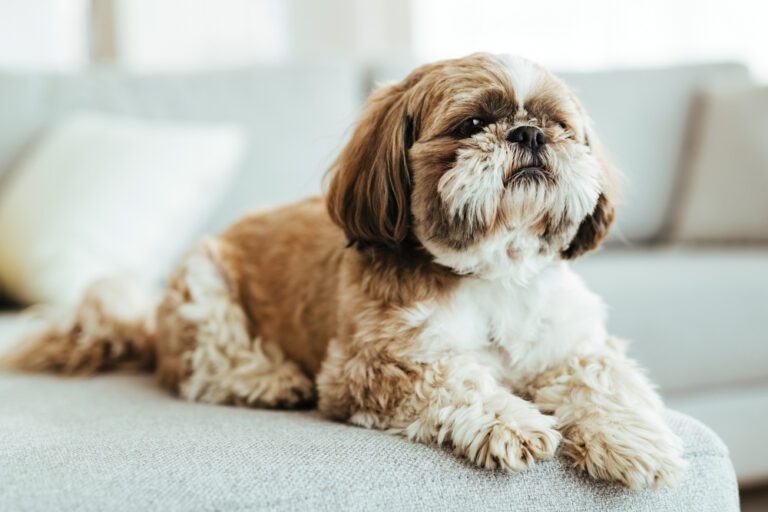
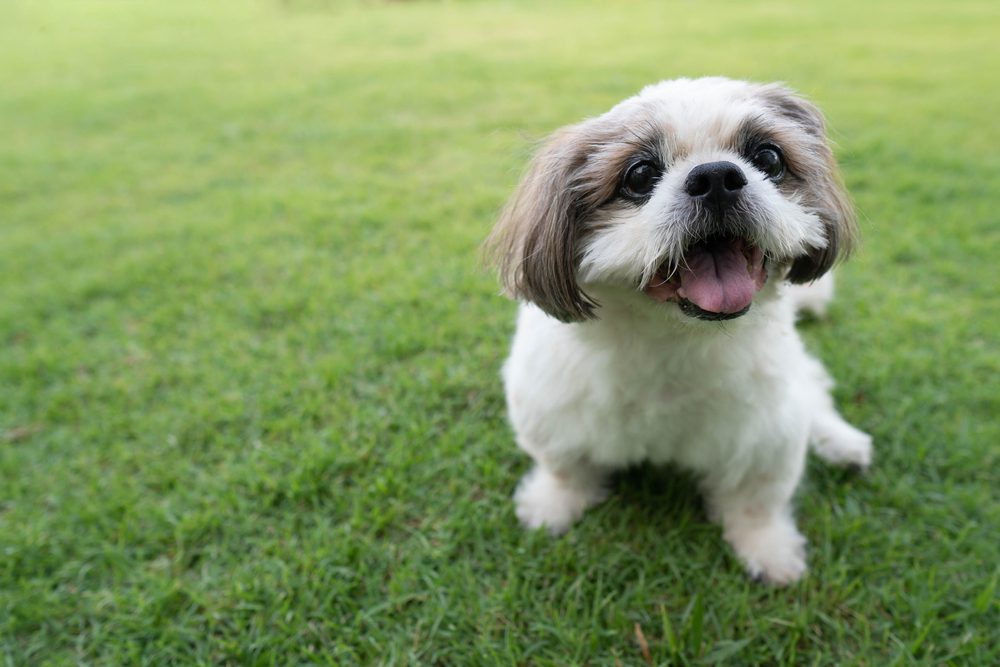
Shih Tzu Poop Guide: How Often, Constipation, Anal Glands, and Poop Eating
How we researched this article: This guide is based on VCA Animal Hospitals, Cornell University’s College of Veterinary Medicine, the American Kennel Club, a 2024 Royal Veterinary College study of more than 11,000 Shih Tzus, a 2021 Royal Veterinary College study of anal sac disorders, and a 2018 University of California, Davis study of poop eating in dogs. Every source is listed at the end. Last reviewed: September 2026.
Call a vet or emergency clinic now if your Shih Tzu: strains but passes no urine, strains and cries out, has black and tarry or very bloody stool, has a swollen, red, or leaking area beside the anus, or has not passed stool in 48 hours and is also vomiting, not eating, or acting tired.
Your Shih Tzu’s poop tells you a lot about their health. This guide covers how often a Shih Tzu should poop, what healthy stool looks like, constipation, anal gland problems, and why some dogs eat poop.
It combines our earlier articles on poop frequency, constipation, anal glands, and poop eating into one updated guide.
How Often Should a Shih Tzu Poop?
Most adult dogs poop once or twice a day, according to a vet-reviewed guide from BetterPet. Puppies go more often, sometimes up to five times a day, because they eat more often and digest food quickly.
The exact number matters less than what is normal for your dog. A sudden change is worth noting. So is a change in how the stool looks.
- Adult Shih Tzus: usually one to two times a day, often after meals.
- Puppies: often three to five times a day. Take them out after meals, naps, and play. See our Shih Tzu potty training guide.
- Seniors: may go less often, especially if they are less active or drink less.
What Healthy Poop Looks Like
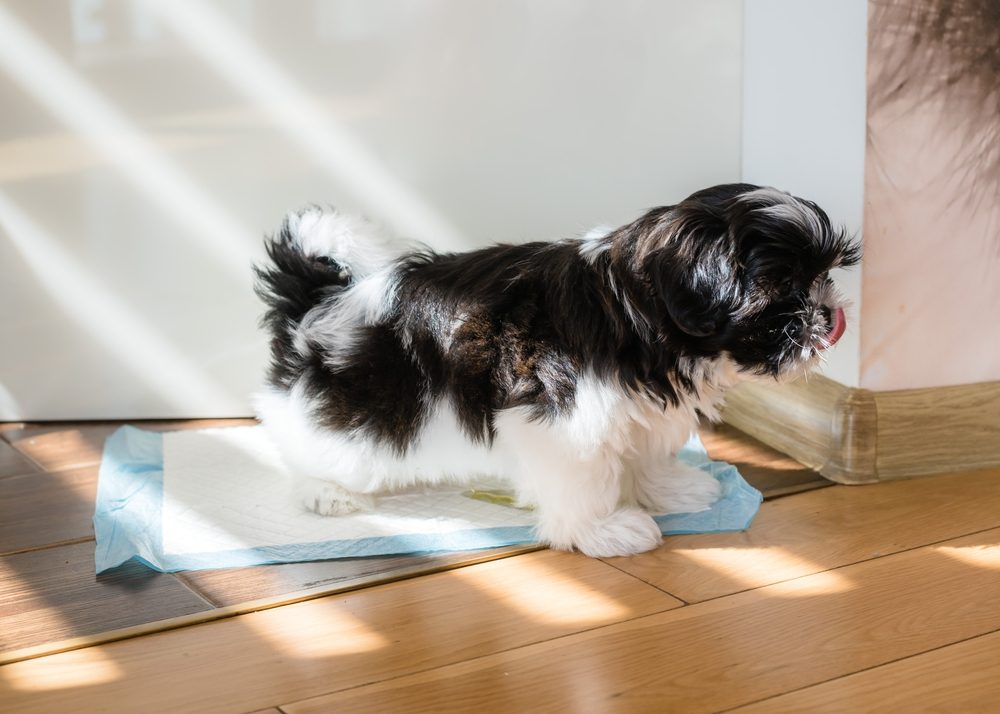
Healthy stool is chocolate brown, formed like a log, and firm enough to pick up without leaving much behind. Many vets use a fecal score chart to rate firmness. Very hard, dry pellets can mean constipation. Soft piles or liquid can mean diarrhea.
Some colors and changes need attention:
- Black and tarry: can mean bleeding higher in the gut. Call your vet right away.
- Red streaks or fresh blood: can mean bleeding lower in the gut or around the anus.
- White specks that look like rice: can be tapeworm segments.
- Gray and greasy, or yellow and orange: can point to problems with digestion, the pancreas, or the liver.
- Mucus: a little is normal now and then. A lot, or mucus with straining, can mean colon inflammation.
Diarrhea that lasts more than a day, or comes with vomiting, needs a vet visit. Small dogs can become dehydrated quickly. If your dog is also throwing up, read our Shih Tzu vomiting guide.
Constipation in Shih Tzus
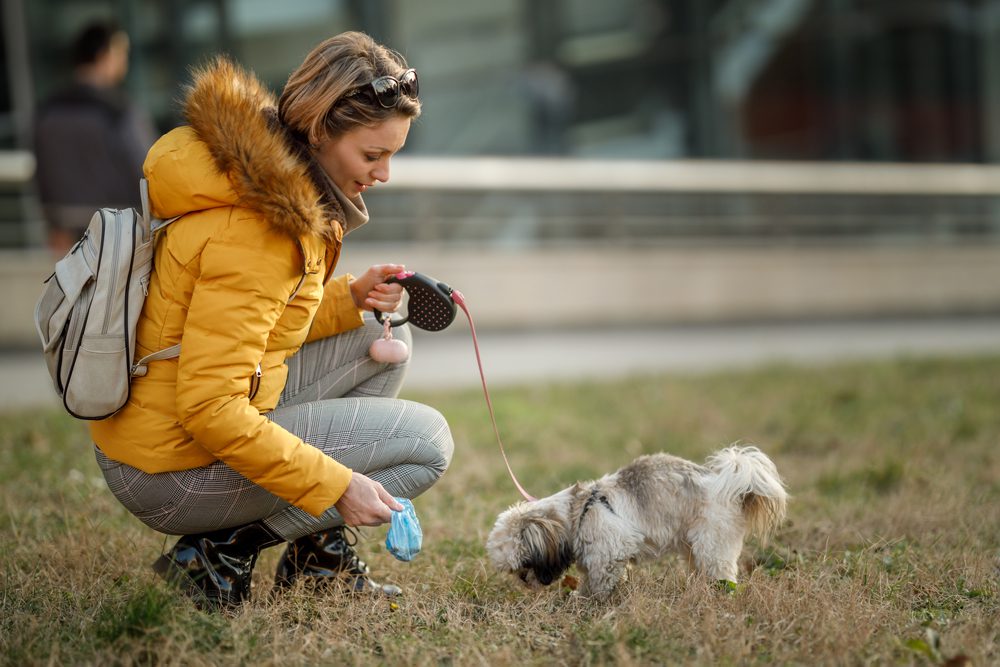
A constipated dog has trouble passing stool, or passes small, hard, dry pieces. VCA Animal Hospitals lists these signs:
- straining with little or no result
- squatting often, circling, or crying out
- scooting
- small amounts of watery stool or mucus, which can leak around a hard mass
- less appetite, vomiting, or a tender belly in more severe cases
Common causes
- not drinking enough water
- too little exercise
- swallowed hair, bones, grass, or bits of toys
- a sudden diet change
- some medicines
- pain when squatting, such as from sore joints or anal gland problems
- other illness, such as hormone, nerve, or colon problems
A Shih Tzu-specific problem to check: In long-coated dogs, stool can get stuck in matted hair around the bottom and block the opening. Vets call this pseudocoprostasis. Keeping the area trimmed helps prevent it. See our Shih Tzu coat care guide.
When to call the vet
The American Kennel Club advises that a dog who is straining should be seen sooner than 48 hours. A dog who has not pooped but is otherwise acting normal may be able to wait up to 48 hours, but it is best to contact a vet after 24 hours. VCA advises calling if your dog has not had a bowel movement in 48 to 72 hours.
Straining is not always constipation. VCA notes that colon inflammation (colitis) and urinary blockages can look the same. A dog that strains but produces no urine may have a blocked bladder, which is an emergency. Call your vet right away.
What you can do, with your vet’s advice
- Make sure fresh water is always available. Adding water to food or feeding some canned food can help.
- Take your dog for regular walks. Movement helps the bowels.
- Keep the fur around the bottom short and clean.
- Ask your vet before adding fiber. VCA notes that the right fiber, including plain canned pumpkin, depends on the cause. If your vet approves pumpkin, use plain pumpkin, not pie filling.
Do not use human laxatives, enemas, or suppositories on your dog. An earlier version of this article suggested trying them. VCA warns that over-the-counter human products can harm dogs. Your vet can choose a safe treatment and dose.
Anal Glands: A Common Shih Tzu Problem
Anal glands, or anal sacs, are two small pouches under the skin on each side of the anus. Cornell University explains that they hold a strong-smelling fluid that normally empties when a dog poops.
Anal gland problems are common in Shih Tzus. The 2024 Royal Veterinary College study found that anal sac impaction affected 7.4 percent of Shih Tzus. It was the second most common specific disorder in the breed, after periodontal (gum) disease. A separate 2021 study by the same college found that about 4.4 percent of all dogs have an anal sac problem each year, and that risk differs by breed.
Signs of an anal gland problem
- scooting the bottom along the floor
- licking or biting under the tail
- a fishy smell
- pain or reluctance when pooping
- holding the tail down
- swelling, redness, or bloody or pus-like discharge beside the anus
Cornell describes several types of problems. Impaction means the sacs do not empty and become full and sore. Sacculitis means they are inflamed or infected. An abscess can burst through the skin. Rarely, a lump can be an anal sac tumor, so any swelling should be checked.

Should the glands be emptied regularly?
Cornell suggests that dogs with repeated problems may benefit from regular checks and emptying by a veterinary professional. Dogs that have never had a problem usually do not need it. Emptying the glands the wrong way at home can cause pain and injury. Ask your vet before you try it.
Helping prevent anal gland problems
- Keep your dog at a healthy weight. See our Shih Tzu weight guide.
- Ask your vet about adding fiber so stools are firm and well formed.
- Treat allergies and chronic diarrhea, which are linked to anal gland problems. See our guide to itchy skin in Shih Tzus.
- Watch for scooting and act early.
Why Does My Shih Tzu Eat Poop?
Eating stool is called coprophagia. It is unpleasant, but it is common. A 2018 study led by Dr. Benjamin Hart at the University of California, Davis surveyed thousands of dog owners. It found:
- About 16 percent of dogs were frequent poop eaters, seen doing it at least six times.
- About 85 percent of poop eaters went for fresh stool, no more than two days old.
- Dogs described as greedy eaters were more likely to eat poop.
- Poop eating was more common in homes with more than one dog.
- Owners reported success rates of only 0 to 2 percent for food additives and tablets sold to stop the habit.
The study found no link with age, sex, or neuter status. The researchers suggest the behavior may come from an ancient instinct to keep the den clean and free of parasites.
Rule out a health problem first
VCA Animal Hospitals notes that some dogs eat poop because of a medical issue, such as poor absorption of nutrients, parasites, or conditions that increase appetite. A sudden new habit, weight loss, or changes in stool are good reasons to see your vet.
How to stop poop eating
- Pick up stool right away, in the yard and on walks.
- Keep your dog on a leash in areas where there may be stool.
- Teach a reliable “leave it” cue.
- Call your dog to you right after they poop and give a treat. This builds a new habit.
- Keep cat litter boxes out of reach.
- Be patient with puppies. VCA notes many puppies outgrow the habit.
Eating stool can spread parasites. Keep up with your vet’s deworming and fecal testing plan. Never punish your dog for this behavior. Punishment can make dogs eat stool faster to hide it.
Frequently Asked Questions
How many times a day should a Shih Tzu poop?
Most adult dogs poop once or twice a day. Puppies often go three to five times a day. What matters most is a steady pattern and firm, well-formed stool.
How long can a Shih Tzu go without pooping?
The American Kennel Club advises contacting a vet after 24 hours without stool, and sooner if your dog is straining, vomiting, or not eating.
What can I give my Shih Tzu for constipation?
Ask your vet first. Fresh water, walks, and canned food can help. Do not use human laxatives, enemas, or suppositories.
Why does my Shih Tzu keep scooting?
Scooting is a common sign of full or irritated anal glands. It can also come from worms, allergies, or stool stuck in the fur. Have your vet check it.
Why does my Shih Tzu eat poop?
Poop eating is common and often behavioral. Pick up stool quickly, supervise your dog, and ask your vet to rule out parasites or other health issues.
Sources
- VCA Animal Hospitals. Constipation in Dogs.
- VCA Animal Hospitals. Dog Behavior Problems: Coprophagia.
- Cornell University College of Veterinary Medicine, Riney Canine Health Center. Anal Sac Diseases.
- American Kennel Club. Dog Constipation: Causes, Diagnosis, and Treatment. Updated 2026.
- BetterPet. Dog Poop Chart: What Is Normal? Medically reviewed by Bruce D. Armstrong, DVM.
- Dale F, Brodbelt DC, West G, Church DB, Lee YH, O’Neill DG. Demography, common disorders and mortality of Shih Tzu dogs under primary veterinary care in the UK. Canine Medicine and Genetics, 2024;11:2.
- Royal Veterinary College, VetCompass. Ground-breaking RVC research explores prevalence of anal sac disorders in dogs. Veterinary Record study, 2021.
- Hart BL, Hart LA, Thigpen AP, et al. The paradox of canine conspecific coprophagy. Veterinary Medicine and Science, 2018.
This article is for general information. It is not a substitute for advice from your veterinarian. Read our medical disclaimer.