
Cancer in Shih Tzus: Early Warning Signs, Common Tumors, and Treatment
How we researched this article: This guide is based on the American Veterinary Medical Association, Cornell University’s College of Veterinary Medicine, the American College of Veterinary Surgeons, VCA Animal Hospitals, a 2024 Royal Veterinary College study of more than 11,000 Shih Tzus, and peer-reviewed studies on mammary and mast cell tumors. Every source is listed at the end. Last reviewed: September 2026.
See your vet promptly if your Shih Tzu has: a lump that is new, growing, changing, or bleeding, swollen glands under the jaw or behind the knees, unexplained weight loss, bleeding from the mouth or nose, trouble breathing or swallowing, or a sore that will not heal. Go to an emergency clinic for collapse, pale gums, or a suddenly swollen belly.
Hearing the word cancer is frightening. The good news is that many lumps in dogs are harmless, and cancers found early are often easier to treat. This guide explains the warning signs, the tumors most often discussed in Shih Tzus, and how vets diagnose and treat them.
It replaces our earlier separate articles on cancer in Shih Tzus, early signs of cancer, mammary cancer, and mast cell tumors.
How Common Is Cancer in Shih Tzus?
Cancer is common in dogs overall. The American Veterinary Medical Association (AVMA) says about 1 in 4 dogs will develop cancer at some point, and about half of dogs over 10 years old will.
Shih Tzus do not appear to be a high-risk breed overall. A 2024 Royal Veterinary College study of more than 11,000 Shih Tzus in the UK did not find cancer among the breed’s most common recorded disorders or leading causes of death. The most common causes of death were digestive disease, heart disease, and poor quality of life. The median age at death was 12.7 years. See our Shih Tzu lifespan guide for more.
Still, Shih Tzus often live well into their teens, and cancer risk rises with age. Knowing the signs matters for every owner.
Early Warning Signs of Cancer
The AVMA lists these signs to watch for. None of them prove a dog has cancer, but each one is a reason to see your vet.
- Lumps or bumps that appear, grow, or change
- Loss of appetite or unexplained weight loss
- A swollen belly
- Trouble eating, swallowing, or breathing
- Sores or wounds that do not heal
- Bleeding from the mouth, nose, or other body openings
- Ongoing vomiting or diarrhea
- Unexplained swelling, heat, pain, or limping
- Behavior changes, such as hiding or low energy
How to check your Shih Tzu for lumps at home
A Shih Tzu’s long coat can hide small lumps. A monthly check takes about five minutes.
- Pick a calm time, such as after brushing. See our Shih Tzu grooming guide.
- Run your fingertips slowly over the whole body, including the head, neck, chest, belly, legs, tail, and between the toes.
- In females, feel along both rows of nipples, from the chest to the groin.
- Feel under the jaw, in front of the shoulders, and behind the knees, where lymph nodes sit.
- If you find a lump, note its location, measure it, and take a photo next to a coin for scale. Book a vet visit.
You cannot tell a lump is harmless by feel. Soft lumps can be cancer, and hard lumps can be benign. Ask your vet about a fine needle aspirate, a quick test that collects cells with a small needle. It is often done during a routine visit.
Mammary (Breast) Tumors
Mammary tumors are the most common tumors in female dogs. Cornell University reports they make up about 42 percent of all tumors diagnosed in female dogs, with a lifetime risk of 23 to 34 percent in unspayed females.
Are Shih Tzus at higher risk?
Small breeds appear more often in some studies. A 2023 study of 465 female dogs with mammary tumors at a Brazilian veterinary hospital found higher odds in several small breeds. Yorkshire Terriers had the highest odds. Shih Tzus also had higher odds, about 2.6 times those of the comparison group. Results from one hospital may not apply everywhere, but the finding is a good reason to check your female Shih Tzu regularly.
Are mammary tumors always cancer?
No. The American College of Veterinary Surgeons (ACVS) states that about half of mammary tumors in dogs are benign and half are malignant. Removing tumors while they are small gives the best outlook. Size matters: tumors about 1.2 inches (3 centimeters) or smaller have a better outlook.
Signs to watch for
- A small lump under the skin near a nipple, or along the belly
- Swollen or firm mammary glands
- Discharge from a nipple
- Red, broken, or ulcerated skin over a lump
Does spaying prevent mammary tumors?
Spaying lowers the risk, and timing seems to matter. Cornell and the ACVS cite risk figures of about 0.5 percent when a dog is spayed before her first heat, 8 percent after the first heat, and 26 percent after the second heat.
These figures come from older research. A 2012 systematic review in the Journal of Small Animal Practice found that the overall quality of evidence was weak. Spay timing can also affect other health risks. Talk with your vet about the right timing for your dog. Our spay and neuter guide explains the trade-offs.

Mast Cell Tumors
Mast cell tumors are the most common skin tumor in dogs, making up about 7 to 21 percent of canine skin tumors, according to VCA Animal Hospitals. They can look like almost anything: a small raised bump, a soft lump, or a red, itchy patch.
- They can change size. Mast cells hold histamine. When a tumor is bumped or squeezed, it can release histamine and swell, then shrink again.
- Do not squeeze or poke them. Handling can cause redness, itching, swelling, or bleeding.
- Most affected dogs are middle-aged or older. A large UK study found a median age at diagnosis of about 8 years.
Are Shih Tzus especially at risk? Some websites claim they are. The evidence we reviewed does not show that. VCA lists breeds such as Boxers, Boston Terriers, Pugs, and Golden Retrievers as predisposed, and a 2015 Royal Veterinary College study found the highest odds in Boxers, Pugs, and Staffordshire Bull Terriers. Shih Tzus were not named in either source. Any dog can still develop a mast cell tumor, so every new lump should be checked.
Vets diagnose mast cell tumors with a needle sample, then grade them after surgical removal. Low-grade tumors are often cured with surgery. High-grade tumors may need chemotherapy or targeted medicine as well.
Other Cancers to Know About
- Lymphoma. Often shows up as firm, painless swelling of the lymph nodes under the jaw or behind the knees.
- Oral tumors. Watch for bad breath with bleeding, a lump in the mouth, drooling, or trouble eating. Daily tooth brushing helps you spot changes early.
- Anal sac tumors. A lump beside the anus or straining to poop needs a vet check. See our Shih Tzu poop and anal gland guide.
- Benign fatty lumps (lipomas). Common in older dogs and usually harmless, but only testing can confirm what a lump is.
How Vets Diagnose and Treat Cancer
The AVMA describes these common steps:
- Exam and history. Your vet checks the whole body and asks when you first noticed changes.
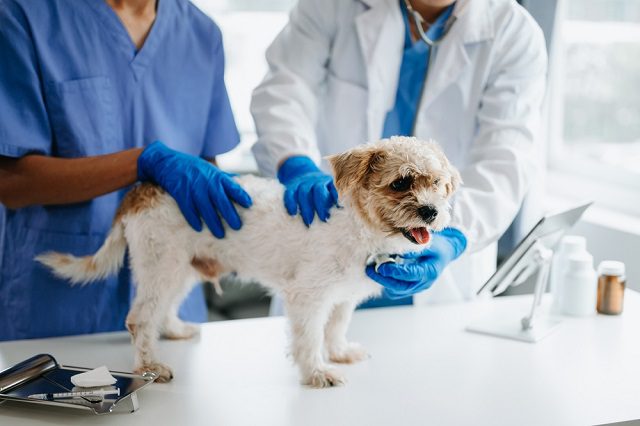
- Needle sample or biopsy. A fine needle aspirate collects cells. A biopsy removes a small piece of tissue. These show whether a lump is benign or malignant.
- Staging tests. Blood work, urine tests, X-rays, ultrasound, and sometimes CT or MRI show whether cancer has spread.
- Referral. A board-certified veterinary oncologist can explain options in detail.
Treatment may include surgery, chemotherapy, radiation, immunotherapy, or comfort care. The AVMA notes that pets often handle chemotherapy better than people do, with fewer and milder side effects.
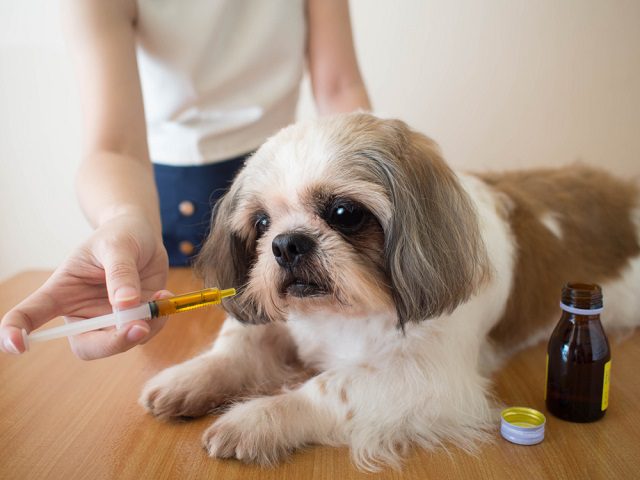
Be careful with “natural cures.” No supplement, diet, or oil has been shown to cure cancer in dogs. Some products can interfere with treatment. Always ask your vet or oncologist before giving anything new.
Quality of life
Treatment goals differ for every dog and family. Some aim for a cure. Others aim for good, comfortable time. Your vet can help you track appetite, energy, pain, and enjoyment of daily life. Our senior Shih Tzu care guide covers comfort at home.
Can You Lower Your Shih Tzu’s Cancer Risk?
There is no guaranteed way to prevent cancer. These steps help you catch problems early and support overall health:
- Do a monthly lump check at home.
- Keep regular vet checkups. Many vets suggest visits every six months for senior dogs.
- Talk with your vet about spay timing for female dogs.
- Keep your dog at a healthy weight. See our Shih Tzu weight guide.
- Brush your dog’s teeth, which also helps you notice mouth changes.
- Avoid secondhand smoke and limit exposure to lawn chemicals.
Frequently Asked Questions
Are Shih Tzus prone to cancer?
Shih Tzus are not considered a high-risk breed overall. A large UK study did not list cancer among their most common disorders or causes of death. Still, cancer risk rises with age in all dogs.
What are the first signs of cancer in a Shih Tzu?
Watch for new or changing lumps, weight loss, loss of appetite, sores that do not heal, bleeding from the mouth or nose, swollen lymph nodes, and low energy.
Is every lump on my Shih Tzu cancer?
No. Many lumps are benign, such as fatty lipomas. But you cannot tell by feel. A quick needle test at the vet is the only way to know.
Does spaying prevent mammary cancer in Shih Tzus?
Spaying lowers the risk, especially when done early, although the research quality is debated. Talk with your vet about the best timing for your dog.
What is a mast cell tumor?
It is the most common skin tumor in dogs. It can look like any lump and may change size. Do not squeeze it, and have your vet test it.
Sources
- American Veterinary Medical Association. Cancer in Pets.
- Cornell University College of Veterinary Medicine, Riney Canine Health Center. Mammary Cancer.
- American College of Veterinary Surgeons. Mammary Tumors.
- VCA Animal Hospitals. Mast Cell Tumors in Dogs.
- Dale F, Brodbelt DC, West G, Church DB, Lee YH, O’Neill DG. Demography, common disorders and mortality of Shih Tzu dogs under primary veterinary care in the UK. Canine Medicine and Genetics, 2024;11:2.
- Silva et al. Identifying the Risk Factors for Malignant Mammary Tumors in Dogs: A Retrospective Study. Veterinary Sciences, 2023.
- Beauvais W, Cardwell JM, Brodbelt DC. The effect of neutering on the risk of mammary tumours in dogs: a systematic review. Journal of Small Animal Practice, 2012.
- Shoop SJ, et al. Prevalence and risk factors for mast cell tumours in dogs in England. Canine Genetics and Epidemiology, 2015.
This article is for general information. It is not a substitute for advice from your veterinarian. Read our medical disclaimer.