
Shih Tzu Itchy Skin: Causes, Allergies, and Vet-Approved Relief
How we researched this article: This guide is based on veterinary references from VCA Animal Hospitals and the Merck Veterinary Manual, a peer-reviewed review of food allergens in dogs, and safety data from Pet Poison Helpline. Every source is listed at the end. Last reviewed: September 2026.
See a vet the same day if: your Shih Tzu has open or bleeding sores, a swollen face or hives, a sudden widespread rash, or is itching so much it cannot rest or eat.
The Short Answer
Most itchy skin in dogs comes from allergies. The three main types are flea allergy, environmental allergy, and food allergy. Itchy, inflamed skin also picks up bacterial and yeast infections, which make the itch worse.
VCA Animal Hospitals notes that allergies are managed, not cured. The good news is that modern treatments work well for most dogs once the cause is found.
Common Causes of Itching in Shih Tzus
1. Flea allergy
VCA reports that flea saliva is the most common insect allergen in dogs. In a dog with flea allergy dermatitis, a single bite can cause intense itching, hair loss, and sores, especially near the base of the tail.
You may never see a flea. Allergic dogs often groom them away. Use a vet-recommended flea preventive, and ask your vet whether year-round protection makes sense where you live.
2. Environmental allergies (atopic dermatitis)
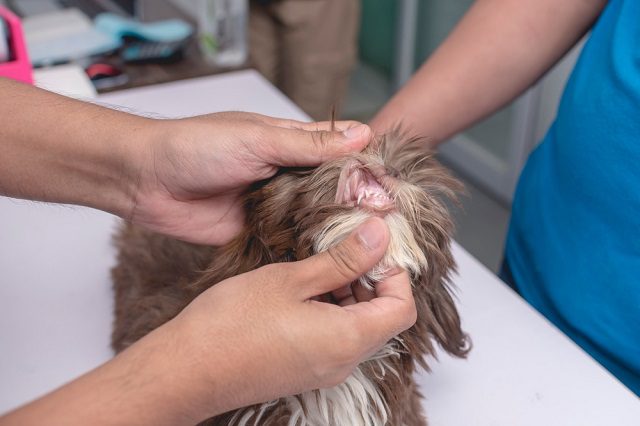
This is an allergy to things in the air and home, such as tree, grass, and weed pollens, molds, and house dust mites. Some are seasonal, like ragweed and grass pollen. Others, like dust mites and mold, can cause year-round itching.
Common signs include licking or chewing the paws, rubbing the face, scratching the armpits and belly, and repeated ear infections.
3. Food allergy
Food allergies are real but are often blamed too quickly. A review of 297 dogs with confirmed food allergies found the most common triggers were beef (34%), dairy (17%), chicken (15%), and wheat (13%).
Most food allergies are to proteins, not grains. So switching to a grain-free food often does not help.
The Merck Veterinary Manual states that a strict elimination diet, followed by adding the old food back to see if itching returns, is the only reliable way to diagnose a food allergy. Blood, saliva, and hair tests sold to pet owners are not a substitute. An elimination trial usually lasts several weeks and should be planned with your vet.
4. Skin infections
Scratching damages the skin, and bacteria and yeast move in. VCA notes that secondary bacterial infections are common in allergic dogs. Signs include a bad smell, greasy or flaky skin, redness, and darkened skin. Infections need veterinary treatment.
5. Other causes
Mites, contact irritation from cleaning products or lawn treatments, and dry indoor air in winter can also cause itching. Your vet can rule these in or out.
Why Shih Tzus Need Extra Skin Checks
- The coat hides problems. Redness, scabs, and fleas are easy to miss under long hair. Part the coat to the skin during grooming.
- Mats trap moisture. Matted hair holds dampness against the skin, which can lead to irritation and infection. Regular brushing helps.
- The face needs attention. Tear staining and hair around the eyes and mouth can keep skin damp. Keep the face clean and dry.
How Your Vet Finds the Cause
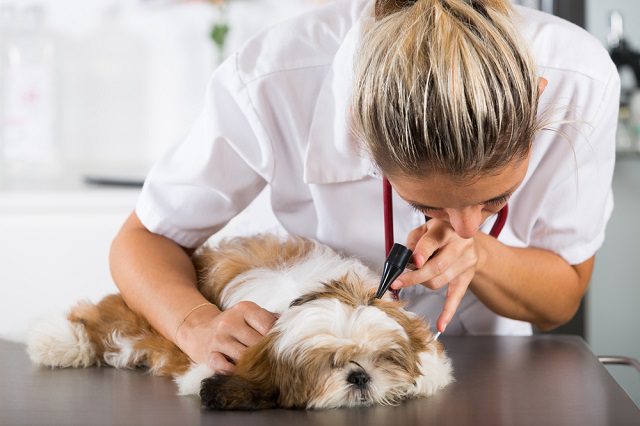
Finding the cause usually happens in steps. Your vet may check for fleas and mites, look at skin samples under a microscope for bacteria or yeast, treat any infection, and then look for an allergy. If a food allergy is suspected, a food trial comes next.
Treatment Options
Treatment depends on the cause. Options your vet may discuss include:
- Flea control for the dog and any other pets in the home.
- Anti-itch medications. VCA lists oclacitinib (Apoquel®), ilunocitinib (Zenrelia®), and the injection lokivetmab (Cytopoint®), which is given every one to two months.
- Other anti-inflammatory drugs, such as corticosteroids or cyclosporine.
- Allergy shots or drops (immunotherapy) for environmental allergies.
- Medicated shampoos and treatment for any bacterial or yeast infection.
- A prescription or limited-ingredient diet for food allergies.
VCA notes that antihistamines appear to be relatively ineffective for dogs that are already itchy. Never give your dog human allergy medication unless your vet tells you the exact product and dose.
Safe Home Care
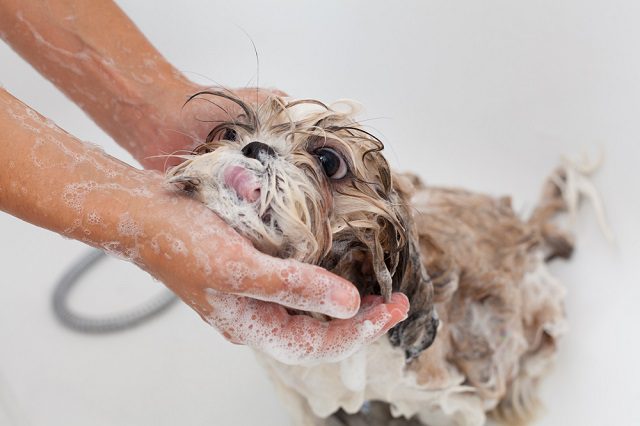
- Bathe with a gentle dog shampoo. Human shampoo can dry out a dog’s skin.
- Brush regularly and keep mats from forming. A shorter trim can make skin checks easier.
- Wipe your dog’s paws after walks during pollen season.
- Keep up with flea prevention.
- Keep the face clean and dry.
Home Remedies to Avoid
- Tea tree oil. Pet Poison Helpline warns that it can be absorbed through the skin or licked off the coat and cause serious poisoning. Signs include weakness, tremors, low body temperature, and trouble walking. Do not apply it to your dog.
- Essential oils and diffusers. PetMD advises never putting essential oils directly on a dog’s skin and keeping dogs out of rooms with oil diffusers.
- Apple cider vinegar on broken skin. It can sting open sores and does not treat the cause.
- Human creams and medications. Some are toxic to dogs. Ask your vet first.
If your dog has licked or been exposed to tea tree oil or another essential oil, call your vet or Pet Poison Helpline at 1-855-764-7661.
Related guides: safe and toxic foods and eye care.
Frequently Asked Questions
Why is my Shih Tzu so itchy?
The most common causes are allergies to fleas, to things in the environment such as pollen and dust mites, or to food. Skin infections often develop on top of allergies and make itching worse.
Why does my Shih Tzu lick its paws?
Paw licking is a common sign of environmental or food allergies. It can also point to a yeast infection or irritation. See your vet if it happens often.
Is my Shih Tzu allergic to chicken?
It is possible. Chicken is one of the more common food allergens in dogs, along with beef, dairy, and wheat. The only reliable test is an elimination diet planned with your vet.
Is tea tree oil safe for itchy dogs?
No. Pet Poison Helpline warns that tea tree oil can poison dogs through the skin or when licked. Do not apply it to your dog.
Will a grain-free diet stop my dog from itching?
Usually not. Most dog food allergies are to proteins such as beef, dairy, or chicken rather than grains.
Sources
- VCA Animal Hospitals. Allergies in Dogs.
- VCA Animal Hospitals. Inhalant Allergies (Atopy) in Dogs.
- Merck Veterinary Manual. Cutaneous Food Allergy in Animals. 2025.
- Mueller RS, Olivry T, Prélaud P. Common food allergen sources in dogs and cats. BMC Veterinary Research, 2016.
- Pet Poison Helpline. Tea Tree Oil Poisoning. 2026.
- PetMD. Is Tea Tree Oil Safe for Dogs? 2024.
This article is for general information. It is not a substitute for advice from your veterinarian. Read our medical disclaimer.