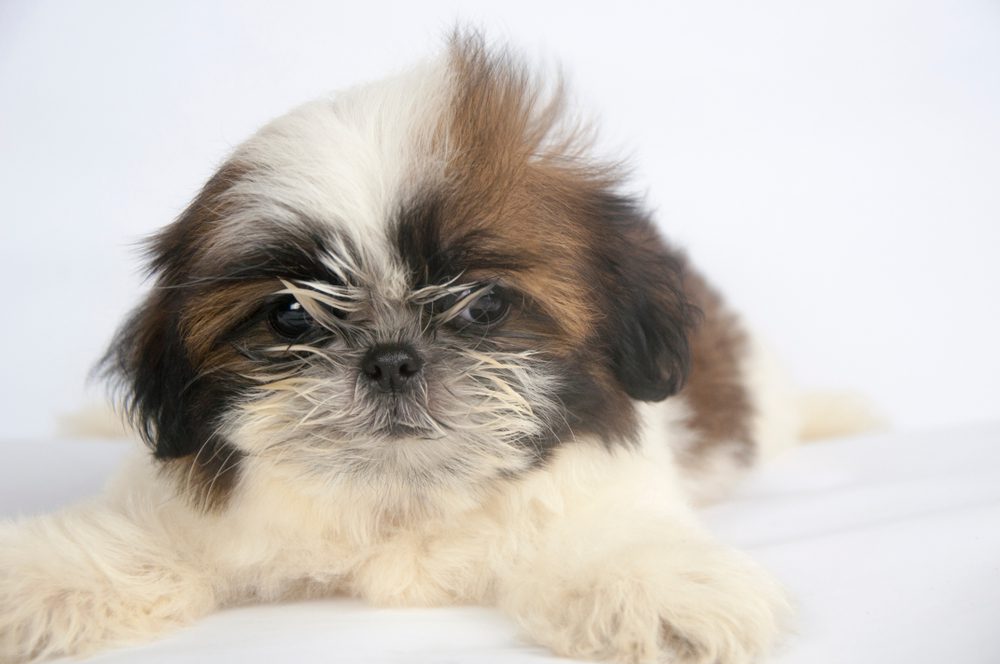
Imperial Shih Tzu: What Breeders Won’t Tell You About Size, Health, and Cost
The term “Imperial Shih Tzu” appears frequently on breeder websites, social media, and classified ads — usually attached to a price tag significantly higher than that of a standard-sized dog. It suggests rarity, historical prestige, and exclusivity. It implies that what is being offered is somehow more than a regular Shih Tzu.
None of that is accurate.
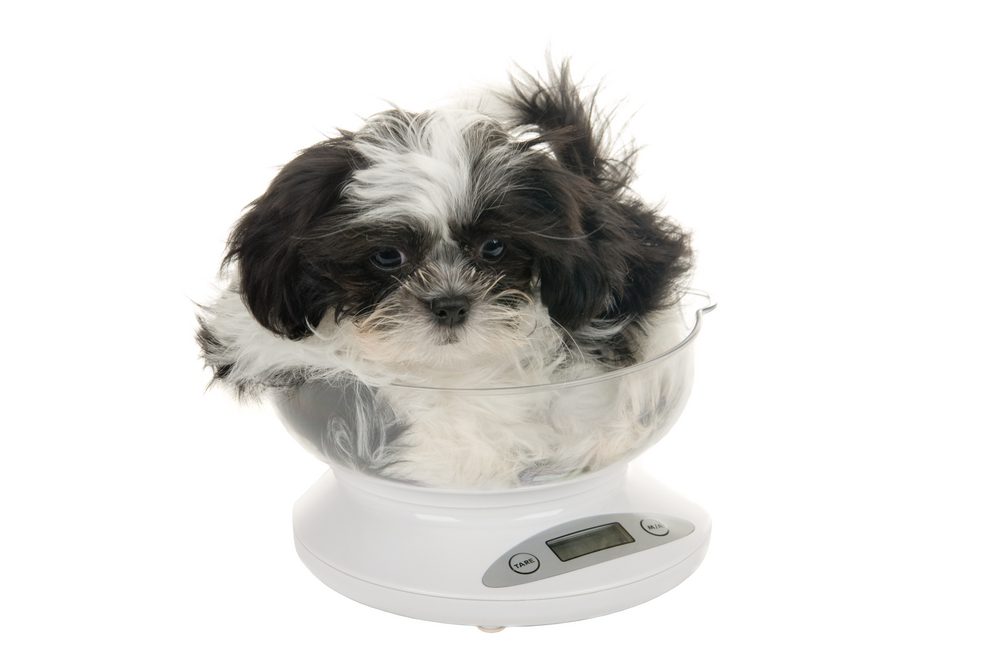
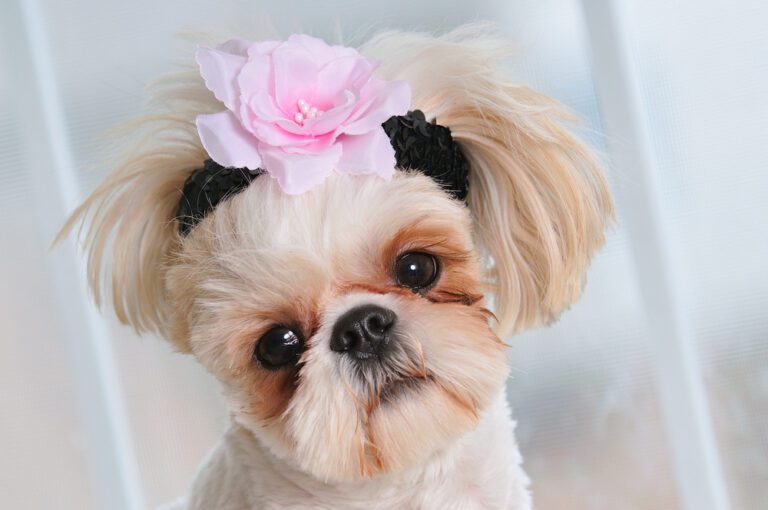
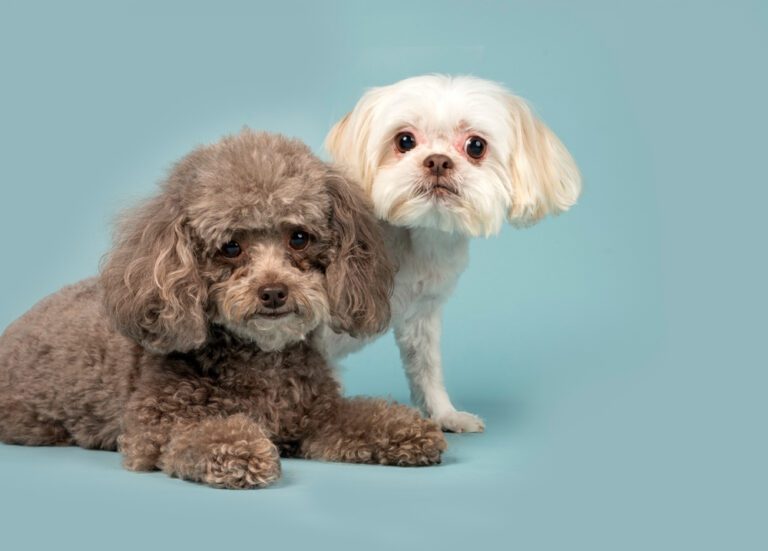
The Imperial Shih Tzu is not a recognized breed, a distinct variety, or an official size category. It is a marketing label applied to undersized Shih Tzus — dogs that fall below the lower end of the AKC’s published weight standard of 9 lb (4.1 kg). Understanding what this term actually means, what health consequences accompany deliberate size reduction in this breed, and how to identify a responsible breeder are the most important things a prospective buyer can do before spending thousands of dollars on a dog that may carry serious, expensive, and lifelong health burdens.
This guide provides that information directly and without softening.
What “Imperial Shih Tzu” Actually Means
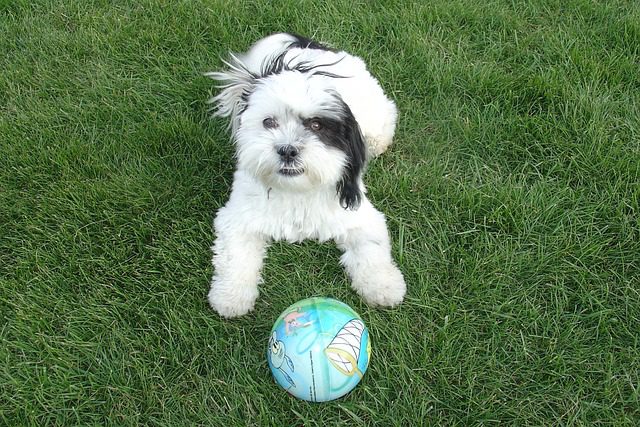
The American Shih Tzu Club is unambiguous on this point: the AKC and all legitimate kennel registries worldwide recognize exactly one Shih Tzu breed, with one published size standard. There are no official sub-types, size categories, or varieties. The terms Imperial Shih Tzu, Teacup Shih Tzu, Miniature Shih Tzu, Chinese Imperial, Tiny Toy Shih Tzu, and Tiny Imperial are used interchangeably by breeders to refer to Shih Tzus that fall below the breed standard — typically adults weighing between 4 and 8 lb (1.8 to 3.6 kg).
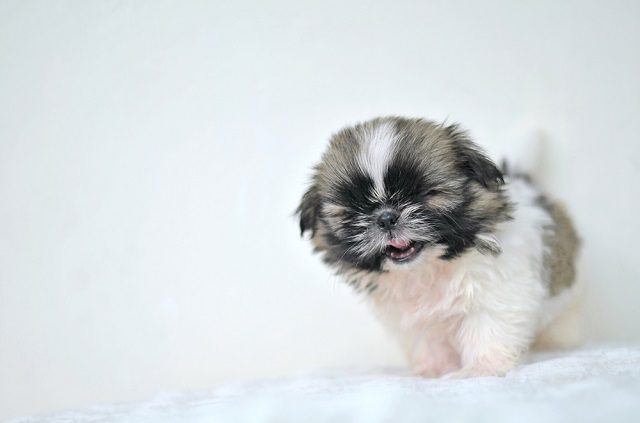
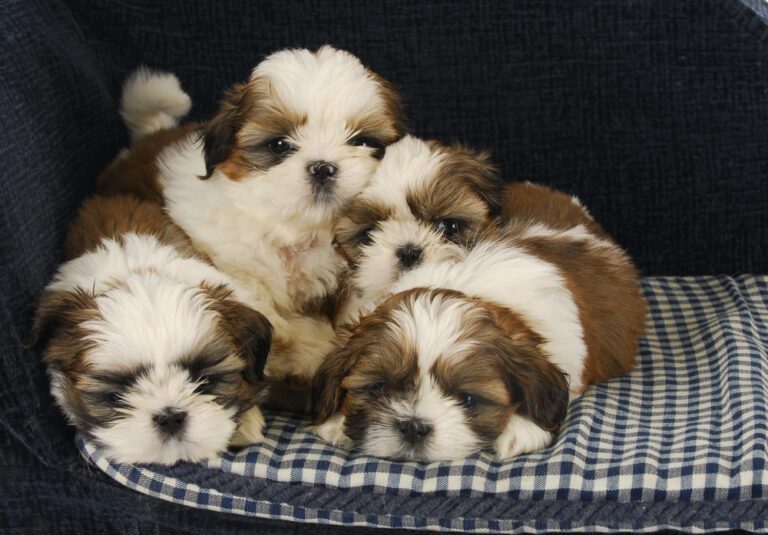
These dogs exist in two ways. The first is natural variation: occasionally, a litter from standard-sized parents produces a runt that matures at a below-standard weight. This is a natural biological occurrence in any breed and does not indicate deliberate undersizing. The second is intentional breeding: breeders select the two smallest dogs from successive litters, repeating this process over multiple generations to produce progressively smaller offspring. This second practice is where the health problems begin.
The use of “Imperial” as a label borrows from the breed’s genuine history as a court dog in imperial China, but that historical connection does not make the term a valid size designation. As AllShihTzu.com, one of the most comprehensive independent Shih Tzu resources, notes, when “Imperial” is used to imply the dog is more regal or royal than a regular Shih Tzu, it is a marketing term to be treated with skepticism.
The AKC Standard and Why It Exists
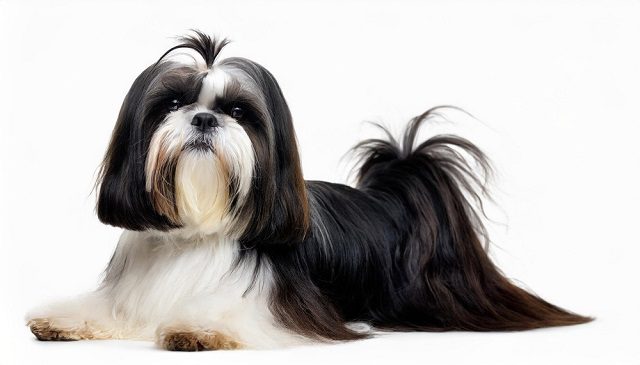
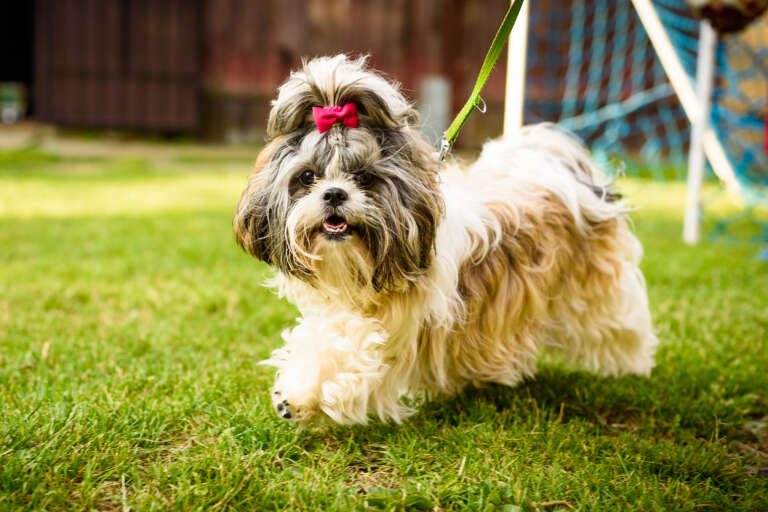
The AKC’s official Shih Tzu breed standard specifies ideal height at 9 to 10.5 inches (23 to 27 cm) at the withers, with an absolute minimum of 8 inches (20 cm). Ideal weight is 9 to 16 lb (4.1 to 7.3 kg). The standard states that “the Shih Tzu must be compact, solid, and carry good weight and substance.” A Shih Tzu that is “so low-stationed as to appear dumpy or squatty” is specifically penalized.
These measurements are not aesthetic preferences — they are structural requirements. The Shih Tzu’s internal organs, bone density, cardiovascular system, and airway are proportioned to function correctly within this size range. When a dog is deliberately bred below this range, the organs do not shrink proportionally. The body becomes too small to house the systems required to maintain it. This is the biological root of the health problems associated with Imperial and Teacup Shih Tzus.
Health Risks: What the Evidence Shows
The health risks associated with intentionally undersized Shih Tzus are well documented across veterinary literature, breed specialist resources, and the American Shih Tzu Club’s own published guidance. These are not hypothetical concerns. They are the predictable medical consequences of breeding dogs below a structurally sound size threshold.
Hypoglycemia
Hypoglycemia — dangerously low blood sugar — is the most immediate and potentially fatal health risk in undersized Shih Tzu puppies. The American Shih Tzu Club, drawing on expertise from Dr. Margret Casal at the University of Pennsylvania School of Veterinary Medicine, explains that the brain can only use glucose for energy. When blood sugar drops rapidly in a tiny puppy with minimal fat reserves, the brain is deprived of fuel. Without immediate intervention, the result is stupor, seizure, coma, and death.
Hypoglycemia in undersized puppies typically occurs between birth and four months of age, but can recur in adult Imperial Shih Tzus that miss meals, experience stress, or have underlying metabolic conditions. Symptoms include sudden lethargy, trembling, disorientation, glassy eyes, and collapse. Treatment requires immediate administration of glucose, corn syrup, or a concentrated glucose supplement such as Nutri-Cal applied to the gums, which is the standard emergency first response before veterinary care is reached.
Owners of Imperial Shih Tzus must always have a glucose source on hand. Meals must be divided into three to four small portions per day rather than two. This feeding requirement is not optional — it is a daily medical management necessity.
Fragile Bones and Skeletal Defects
Intentional size reduction frequently produces dogs with bone density and structural integrity below what the breed’s standard demands. Some Imperial Shih Tzus — particularly those bred below 5 lb (2.3 kg) — have difficulty absorbing calcium adequately, resulting in bones that fracture from minor impacts. Jumping from a sofa, falling from an owner’s arms, or being stepped on accidentally can break bones in these dogs when it would cause no injury whatsoever to a standard-sized dog. Skeletal deformities, limb rotation, and elbow abnormalities also occur at higher rates in deliberately miniaturized dogs.
Organ Abnormalities
When a dog is bred to a size significantly below structural norms, internal organs are compressed into a body cavity that cannot adequately accommodate them. Vital organs, including the heart, liver, and kidneys, may be malformed or unable to function at full capacity. Liver shunts — abnormal blood vessel connections that bypass the liver — are reported at elevated rates in very small dogs. Cardiac vulnerability and kidney failure have also been documented in dogs below 5 lb (2.3 kg). These conditions are expensive to diagnose, difficult to treat, and frequently reduce lifespan.
Brachycephalic Airway Complications — Worsened by Size Reduction
Every Shih Tzu carries some degree of Brachycephalic Obstructive Airway Syndrome (BOAS) risk due to the breed’s flat skull structure. In Imperial-sized dogs, the airway anatomy is compressed into an even smaller frame. Stenotic nares, elongated soft palate, and tracheal narrowing — the defining components of BOAS — are all present in a body with less anatomical space to accommodate them. The result is that airway complications are typically more pronounced in undersized Shih Tzus than in their standard-sized counterparts. For the full explanation of BOAS in the breed, see: Shih Tzu Breathing Problems
Dental Crowding
The Shih Tzu’s already-compressed jaw — a consequence of brachycephalic skull structure — is further reduced in Imperial-sized dogs. A standard number of teeth must fit into an even smaller jaw, producing more extreme crowding, faster plaque accumulation, and earlier-onset periodontal disease. Research cited by DogMatchUp’s breed health database indicates that over 80% of standard Shih Tzus develop dental disease by age 3. This percentage is likely higher in undersized dogs. See: Shih Tzu Teeth Care: Complete Guide
Temperature Regulation Failure
Imperial Shih Tzus struggle to maintain body temperature due to insufficient body mass. They become cold rapidly in temperatures that would not affect a standard-sized dog, and can overheat equally quickly when warm. This requires year-round environmental monitoring — a warm coat in cooler weather and strict avoidance of outdoor activity in heat above 75°F (24°C). See: Shih Tzu Heat Stroke Prevention
Eye Vulnerability
The breed’s large, prominent eyes are inherited regardless of size. In undersized dogs, these eyes sit in shallower orbital sockets relative to their standard-sized counterparts. Proptosis risk — where the eyeball is displaced from the socket — is elevated. Corneal ulcers and dry eye conditions are also more frequent. Daily eye cleaning is essential. See: Shih Tzu Eye Care: Problems, Symptoms, and Treatments
Temperament: Identical to the Standard Breed
The Imperial Shih Tzu carries the same temperament as the standard Shih Tzu. The AKC breed standard requirement — outgoing, happy, affectionate, friendly, and trusting toward all — applies equally to all size expressions of the breed. Imperial Shih Tzus are people-oriented, playful, alert, and bond closely with their families. They adapt well to apartment living and are not demanding in terms of exercise.
The important caveat is that their small size makes interactions with children and larger dogs a genuine safety concern that requires constant supervision. A child dropping or stepping on a standard Shih Tzu may cause no lasting harm. The same incident involving an Imperial Shih Tzu can result in broken bones. This practical reality must be factored into any household assessment.
Training and Socialization
Training an Imperial Shih Tzu follows the same principles as training a standard-sized dog. Positive reinforcement — short sessions of five to ten minutes using small, high-value treats and consistent rewards — produces the best results. The breed’s confident, sometimes stubborn temperament applies regardless of size.
Early socialization before 16 weeks is essential. Imperial Shih Tzus that miss this window are more prone to developing fearfulness and nervous reactivity, which compounds the anxiety response that their small size can already trigger in unfamiliar environments. For the full training framework, see: Shih Tzu Training 101
House training requires the same patient, schedule-based approach as for all Shih Tzus. Imperial-sized dogs may need more frequent outdoor trips in puppyhood due to a smaller bladder capacity. See: How to Potty Train Shih Tzus
Grooming: More Delicate, Same Frequency
The Imperial Shih Tzu’s double coat requires the same grooming frequency as a standard dog — brushing every two to three days for a longer coat, bathing every three to four weeks, daily dental brushing, weekly ear and eye checks, and nail trimming every three to four weeks.
However, tool selection requires adjustment. Standard-sized slicker brushes with stiff pins can be too harsh on the smaller, more sensitive body of an Imperial Shih Tzu. Lighter-pressure slicker brushes or smaller grooming tools designed for delicate coats are preferable. The same principle applies to nail clippers — a smaller, sharper clipper appropriate for the dog’s scale is less traumatic than an oversized standard tool.
For detailed guidance on the right tools for this breed, see: Best Brushes for Shih Tzus
How to Identify a Responsible Imperial Shih Tzu Breeder
If you are specifically seeking a smaller Shih Tzu and are working with a breeder who uses the Imperial label, the following criteria separate responsible breeders from those prioritizing profit over welfare.
A responsible breeder will not deliberately breed adults below 7 lb (3.2 kg). Dogs in the 7 to 9 lb range can be produced with reasonable safety margins. Dogs consistently below 5 lb (2.3 kg) are in a risk category with no responsible justification. A responsible breeder will provide full health records for both parents, including cardiac, eye, and renal screenings. They will offer a written health guarantee covering hereditary conditions. They will not release puppies before eight weeks of age — and for very small puppies, responsible breeders often keep them until ten to twelve weeks to ensure metabolic stability. They will be willing to answer questions about hypoglycemia management, feeding protocols, and bone fragility directly and without dismissing the concerns.
Any breeder who describes Imperial Shih Tzus as a separate and superior breed, charges a premium specifically for the Imperial label without accompanying health documentation, or refuses to discuss the health risks associated with small size is a breeder to avoid. For guidance on evaluating Shih Tzu breeders broadly, see: Shih Tzu Adoption Pros and Cons
The True Cost of Owning an Imperial Shih Tzu
The purchase price for an Imperial Shih Tzu typically ranges from $1,500 to $4,000 or more in the US market — often more than the cost of a standard-sized dog from a health-tested breeder. This elevated purchase price is rarely justified by superior health outcomes. It is a function of marketing and demand, not quality.
The ongoing cost of ownership for an Imperial Shih Tzu is higher than for a standard-sized dog in several respects. Veterinary visits are more frequent, particularly in the first year. Hypoglycemia episodes — if they occur — require emergency care. Dental cleanings may be needed more frequently. Specialty diets and feeding schedules add complexity and cost. Bone injuries from normal activity can require surgical intervention.
Prospective owners who are drawn to smaller dogs should honestly assess whether the financial and time commitment involved in managing these additional care requirements is compatible with their circumstances.
Recommended Gear for Imperial Shih Tzu Owners
The following products are selected specifically for the care requirements of undersized Shih Tzus — accounting for their delicate structure, grooming sensitivity, airway vulnerability, and temperature regulation challenges.
Chris Christensen Baby G Slicker Brush
A lighter-pressure alternative to the standard Big G, designed for finer and more delicate coats. The Chris Christensen Baby G Slicker Brush uses the same flexible-pin technology as the professional standard but at a scale and pressure appropriate for the smaller, more sensitive body of an Imperial Shih Tzu.
Andis Steel Greyhound Comb
The standard finishing tool for all Shih Tzu coat maintenance. The Andis Steel Greyhound Comb is used after every brush session to confirm no mats remain at skin level — a check that is especially important in smaller dogs where mats close to the skin cause disproportionate discomfort.
Vet’s Best Enzymatic Dog Toothbrush and Toothpaste Kit
Daily dental brushing from puppyhood is critical for all Shih Tzus, and even more so for Imperial-sized dogs whose jaw crowding accelerates plaque accumulation. The Vet’s Best Enzymatic Kit includes a finger brush ideal for very small mouths and a standard brush for adults.
Puppia Soft Step-In Dog Harness (XS)
A collar applied to an Imperial Shih Tzu’s trachea creates a serious risk in a dog whose airway is already compromised. A chest harness is the only appropriate walking tool for this breed at any size. The Puppia Soft Step-In Harness is available in an XS size appropriate for Imperial-sized dogs and distributes all pressure across the chest.
Nutri-Cal High Calorie Nutritional Supplement
Every Imperial Shih Tzu owner should keep a glucose supplement on hand for hypoglycemia emergencies. The Nutri-Cal High Calorie Supplement is a palatable, concentrated caloric paste used as both a daily supplement for very small puppies and an emergency intervention when hypoglycemic symptoms appear. It is applied directly to the gums for rapid absorption.
Gooby Escape Free Sport Harness (XS)
For Imperial Shih Tzus that are very small, an escape-proof harness provides an additional layer of security during outdoor walks. The Gooby Escape Free Sport Harness wraps around the torso without buckles that can fail, keeping very small dogs safely contained in unpredictable outdoor situations.
FAQs
Is the Imperial Shih Tzu a recognized breed?
No. The American Kennel Club, the American Shih Tzu Club, and all legitimate kennel registries worldwide recognize exactly one Shih Tzu breed. Imperial, Teacup, Miniature, and Chinese Imperial are marketing labels—not recognized breed designations or official size categories. They describe Shih Tzus that fall below the AKC’s standard weight of 9 to 16 lb. The American Shih Tzu Club does not recognize these designations and cautions buyers about the health risks associated with dogs bred below standard size.
How much does an Imperial Shih Tzu weigh?
Dogs marketed as Imperial Shih Tzus typically weigh between 4 and 8 lb (1.8 to 3.6 kg) as adults. The AKC’s published standard for the Shih Tzu breed specifies an ideal weight of 9 to 16 lb (4.1 to 7.3 kg). Dogs deliberately bred below 7 lb face elevated health risks. Dogs bred below 5 lb face serious risks, including hypoglycemia, fragile bones, organ abnormalities, and shortened lifespan.
What health problems do Imperial Shih Tzus have?
Imperial Shih Tzus face all the health conditions of standard Shih Tzus—including BOAS, dental disease, and eye problems—plus additional risks linked directly to their undersized structure. These include:
Hypoglycemia: Potentially fatal low blood sugar.
Fragile bones: Prone to fracture from minor impacts.
Organ abnormalities: Including liver shunts and cardiac vulnerability.
Respiratory issues: Worsened brachycephalic airway complications.
Dental crowding: More severe due to a smaller jaw size.
Temperature regulation: Difficulty staying warm.
What is hypoglycemia in Imperial Shih Tzus and how is it treated?
Hypoglycemia is a dangerous drop in blood sugar that can be fatal if not treated immediately. It is common in undersized puppies due to minimal fat reserves.
Symptoms: Sudden lethargy, trembling, disorientation, glassy eyes, and collapse.
Treatment: Emergency treatment involves applying corn syrup or a glucose supplement (like Nutri-Cal) directly to the gums, followed by immediate veterinary care. Owners should divide meals into three to four small portions daily to prevent episodes.
How do I find a responsible Imperial Shih Tzu breeder?
A responsible breeder will not deliberately produce adults below 7 lb (3.2 kg). They should:
Provide full health records for both parents (cardiac, eye, and renal screenings).
Offer a written health guarantee for hereditary conditions.
Wait until a puppy is eight to twelve weeks old before releasing them.
Discuss hypoglycemia management and feeding protocols openly.
Avoid breeders who charge a premium for the “Imperial” label or dismiss questions about size-related health risks.
Conclusion
The Imperial Shih Tzu is not a mythological problem — it is a real one with real consequences for real dogs and their owners. The label persists because demand for tiny, portable dogs creates a profitable market, and marketing fills that market with language that obscures risk. The honest picture is this: a well-bred Shih Tzu in the 7 to 9 lb range can be a healthy, long-lived companion with manageable care requirements.
A dog deliberately bred below 5 lb carries health vulnerabilities that will cost more, demand more, and cause genuine suffering. Informed buyers are the single most effective check on irresponsible breeding practices — and this guide exists to support that. If you are considering a Shih Tzu of any size, the right starting point is always the breed standard. Read the History of Shih Tzus to understand why that standard was built, and visit our Shih Tzu Characteristics Guide for a full picture of what a healthy dog in this breed looks and behaves like.