Shih Tzu Terrier Mix: Jack Tzu, Shorkie, Temperament, Health, and Care Guide
The term “Shih Tzu Terrier” is used loosely online and by many breeders, but it does not describe a single dog. It describes a category of crosses between the Shih Tzu and one of many distinct Terrier breeds — each producing a different mix with its own size range, temperament tendencies, health vulnerabilities, and care requirements.
The two most commonly encountered Shih Tzu × Terrier crosses in the United States are the Jack Tzu (Shih Tzu × Jack Russell Terrier) and the Shorkie (Shih Tzu × Yorkshire Terrier). Both are genuine designer hybrids with growing owner communities and documented breed profiles. Neither is AKC-recognized. Neither has a fixed breed standard. And both carry a specific set of traits that prospective owners consistently underestimate before bringing one home.
This guide gives you the complete, accurate picture — covering what these crosses look like, how their temperament actually works, the health conditions they are prone to, what grooming demands to expect, how to train them effectively, and what ownership realistically costs in the US market.
What “Shih Tzu Terrier” Actually Means and Why It Matters
The Terrier group recognized by the AKC includes more than 30 distinct breeds ranging from the tiny Yorkshire Terrier to the athletic Airedale. Crossing a Shih Tzu with a Jack Russell Terrier produces a very different dog than crossing it with a Yorkshire Terrier, a Cairn Terrier, or a Boston Terrier. The behavior, size, energy, and health profile each depend on which Terrier is involved.
The two most common documented crosses are:
The Jack Tzu (also called RusselTzu or ShiJack) is a Shih Tzu crossed with a Jack Russell Terrier. Jack Russell Terriers were developed in 19th-century England by Reverend John Russell specifically for fox hunting — compact, athletic, bold, and possessed of a high prey drive and strong independent judgment. When crossed with the Shih Tzu, you get a dog that blends Shih Tzu affection with Jack Russell energy, curiosity, and stubbornness.
The Shorkie (also called Shorkie Tzu or Yorkie Tzu) is a Shih Tzu crossed with a Yorkshire Terrier. Yorkshire Terriers were developed in 19th-century England as working ratting dogs in textile mills, then rapidly transitioned to lapdogs of Victorian society. The Yorkie is bold, confident, and feisty for its size, with a long silky coat and strong loyalty to its owner. The Shorkie inherits similar people-orientation to the Shih Tzu but adds the Yorkie’s tenacity and vocal confidence.
Where the original cross is unclear or unspecified, all the guidance in this article applies as general principles — understanding that the specific Terrier parent is the single most important variable in predicting what a Shih Tzu Terrier mix will be like.
Appearance: What to Expect
Neither the Jack Tzu nor the Shorkie has a fixed breed standard. Appearance is genuinely unpredictable — sometimes within the same litter. The following represents the most commonly observed patterns.
Jack Tzu Appearance
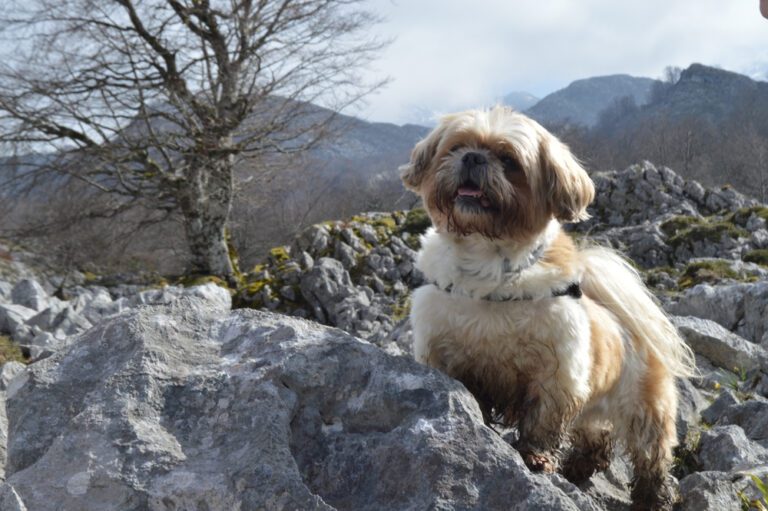
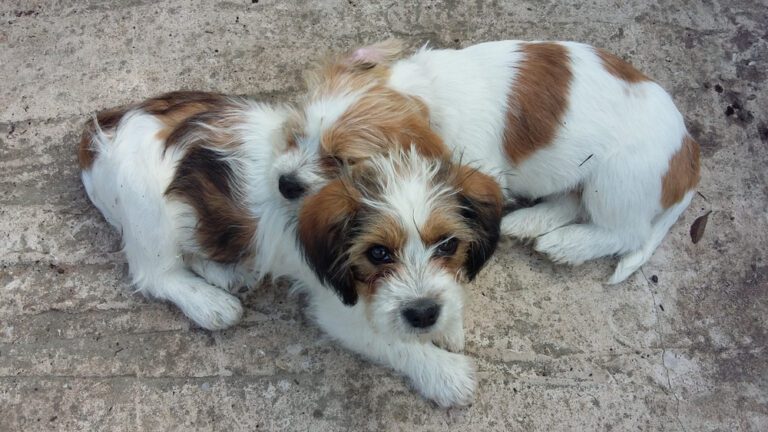
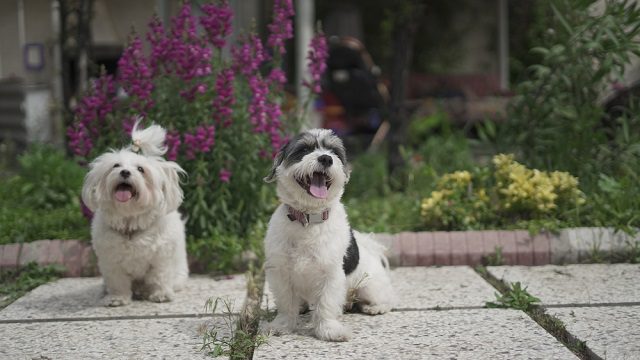
Jack Tzus typically weigh between 9 and 16 lb (4.1 to 7.3 kg) and stand approximately 9 to 12 inches (23 to 30 cm) at the withers. Body structure tends to resemble the Jack Russell — muscular, sturdy, and longer-legged than a purebred Shih Tzu — while the coat more often resembles the Shih Tzu, presenting as long and soft rather than the Jack Russell’s short, rough double coat. Common coloring includes white with brown, black, or tan markings. Some Jack Tzus inherit the Shih Tzu’s flat muzzle to a mild degree; others present with the longer Jack Russell snout. The ears are typically folded.
Shorkie Appearance
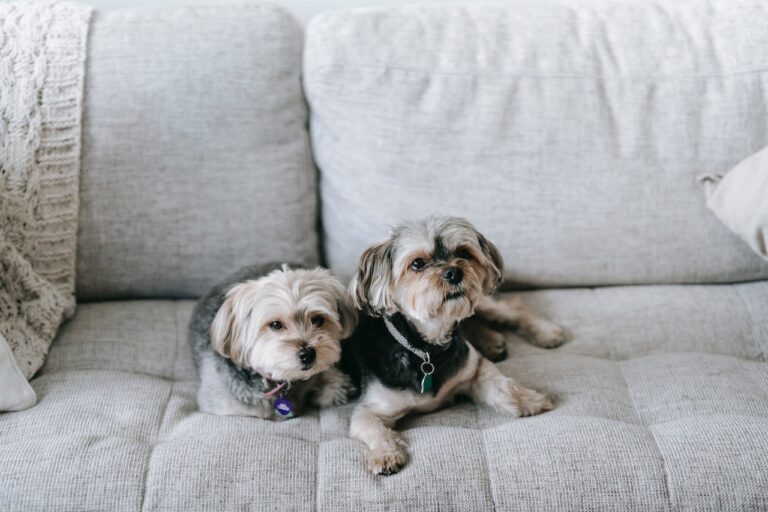
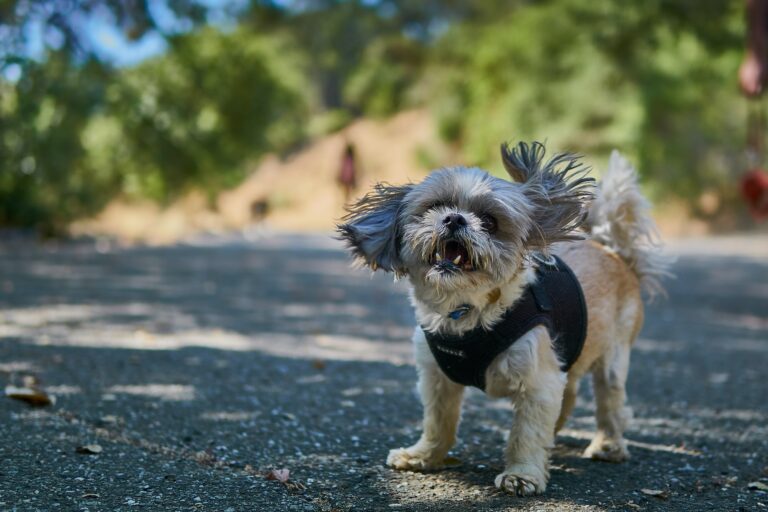
Shorkies typically weigh between 7 and 15 lb (3.2 to 6.8 kg) and stand 6 to 11 inches (15 to 28 cm) at the withers — making them generally smaller than Jack Tzus. Their coat is typically long, silky, and straight to slightly wavy, drawing from both parent breeds’ similar coat textures. Common colorings include black and tan, black and white, brown and white, golden brown, and multi-toned combinations. Some Shorkies inherit the Shih Tzu’s rounder head and shorter muzzle; others present with a more pointed Yorkie face. Ears are typically longer and floppier than a purebred Yorkie.
Temperament: The Real Picture
Both crosses carry a temperament that is significantly more complex than either parent breed alone. This is what most new owners are unprepared for.
Energy and Drive
The Shih Tzu was bred for centuries as a pure companion dog with no working role. Terriers — both Jack Russell and Yorkshire — were bred for high-drive, independent work. The cross produces a dog that is more energetic, more alert, more prey-focused, and more independently minded than a purebred Shih Tzu.
Jack Tzus are particularly high-energy relative to their size. According to PetGuide’s Jack Tzu profile, these dogs need 30 to 60 minutes of daily exercise to be happy and healthy — significantly more than the 20 to 30 minutes typical for a standard Shih Tzu. Shorkies are slightly less intense but still require daily walks and active play sessions. Both will dig, chase small animals, and investigate their environment with curiosity that a purebred Shih Tzu does not typically display.
Affection and Bonding
Both crosses inherit the Shih Tzu’s deep people-orientation. Jack Tzus bond broadly with their household and are described by the Dogster Jack Tzu profile as outgoing, affectionate, and companion-focused dogs who enjoy being the center of attention and will happily curl up with their owners at the end of an active day. Shorkies tend toward stronger selective bonding — typically picking a favorite person and maintaining intense loyalty to that individual. A survey of Shorkie owners reported by Chihuahua Nest placed affection toward family members at 9.4 out of 10 — the highest-rated behavioral trait across 100 owners surveyed.
Stubbornness and Independence
Both crosses carry a genuine stubborn streak inherited from the Terrier parent. The Shih Tzu’s independent confidence combines with the Terrier’s working-dog self-sufficiency to produce a dog that understands commands clearly but applies its own judgment about compliance. The Hepper Jack Tzu profile describes this directly: Jack Tzus will do things on their own terms, particularly when treats are not involved. This is not a training failure — it is a temperament characteristic requiring consistent management throughout the dog’s life.
Compatibility with Children and Other Pets
Both crosses are generally good with children when properly socialized from puppyhood. Their small size requires supervised interactions with very young children to prevent accidental injury. Both may display dominance toward larger dogs — the Terrier heritage produces dogs that do not recognize their own small stature as a reason to defer. Early socialization with other animals is important. The Jack Tzu’s residual prey drive means interactions with small animals — cats, rabbits, rodents — should be managed carefully.
For detailed guidance on Shih Tzu temperament with cats, see: Shih Tzu Temperament with Cats
Health: What These Crosses Are Prone To
Designer hybrid dogs inherit health vulnerabilities from both parent breeds. Neither the Jack Tzu nor the Shorkie benefits from guaranteed hybrid vigor — they can and do express conditions from either side of their parentage.
Shared Health Concerns
Patellar luxation: Both Jack Russell Terriers and Yorkshire Terriers carry patellar luxation risk. Combined with the Shih Tzu’s documented vulnerability to this condition, patellar luxation is among the most common orthopedic concerns in both crosses. Signs include intermittent hindlimb lameness and a skipping gait. For management guidance, see the Shih Tzu health context in: Shih Tzu Characteristics
Dental disease: Small-mouthed dogs from both parent lines carry elevated dental disease risk. The Shih Tzu’s brachycephalic jaw crowding, combined with the Yorkie’s and Jack Russell’s own small-jaw tendency, produces crosses with significant periodontal disease vulnerability. Hill’s Pet Nutrition’s Shorkie profile notes that daily brushing and regular professional dental cleanings are essential for this cross. See: Shih Tzu Teeth Care: Complete Guide
Eye conditions: The Shih Tzu’s large, prominent eyes and brachycephalic orbital anatomy carry across into crosses. Shorkies and Jack Tzus may develop dry eye (keratoconjunctivitis sicca), corneal ulcers, and cataracts. Shorkies that inherit the Shih Tzu’s rounder head are at higher eye vulnerability than those favoring the Yorkie’s more extended muzzle. See: Shih Tzu Eye Care: Problems, Symptoms, and Treatmentsr healthy and happy. A well-groomed dog is a beautiful companion and a content one, too!
Tracheal collapse: Both Shih Tzus and Yorkshire Terriers carry elevated tracheal collapse risk — a condition in which the cartilage rings of the trachea weaken and flatten, producing a recurring honking cough that worsens with exertion, excitement, and heat. PetMD’s Shorkie profile identifies tracheal collapse as a documented condition in this cross. A chest harness rather than a collar is essential for all Shih Tzu crosses to reduce tracheal pressure. See: Shih Tzu Breathing Problems
Cross-Specific Concerns
Jack Tzu specific: Jack Russell Terriers carry risk for Legg-Calvé-Perthes disease — degeneration of the femoral head — and von Willebrand’s disease, a blood clotting disorder. Jack Tzus may inherit either condition. Responsible Jack Tzu breeders should screen for these conditions in the Jack Russell parent.
Shorkie specific: Yorkshire Terriers carry elevated risk for hypoglycemia in puppyhood, portosystemic liver shunts, and progressive retinal atrophy. Shorkies may inherit any of these. PetMD’s Shorkie profile specifically notes that brachycephalic Shorkies face worsened airway and overheating risk from the Shih Tzu side.
Lifespan
Both parent breeds of these crosses are long-lived. The Shih Tzu typically lives 10 to 16 years. Jack Russell Terriers live 13 to 16 years. Yorkshire Terriers live 11 to 15 years. Shih Tzu Terrier mixes generally live within similar ranges — 12 to 15 years — when properly cared for.
Grooming: What These Coats Demand
Both crosses typically inherit a long, silky coat that requires consistent maintenance. The specific coat texture depends on which parent is dominant, but owners should assume the grooming demands of the Shih Tzu side when planning care requirements.
Brushing: Daily or every-other-day brushing is necessary for dogs with longer coats. Both crosses are prone to tangling in the facial area, behind the ears, under the armpits, and around the collar. A quality slicker brush and steel comb are the standard tools.
Bathing: Every three to four weeks maintains coat cleanliness without stripping natural oils.
Eye cleaning: Daily cleaning of the periocular area prevents tear staining and facial fold dermatitis in crosses that inherit the Shih Tzu’s rounded face.
Ear checks: Weekly checks for redness, odor, or discharge identify infections early. See: How to Properly Clean and Care for Your Shih Tzu’s Ears
Dental care: Daily brushing from puppyhood is non-negotiable. Annual professional cleanings beginning at age two are the standard recommendation for both parent breeds and their crosses. See: Shih Tzu Teeth Care: Complete Guide
Professional grooming: Every six to eight weeks for trimming, particularly around the eyes, paws, and sanitary areas.ing and understanding relationship.
Training: What Works and What Does Not
Both crosses are intelligent and food-motivated, which works in the owner’s favor. Both also carry the Terrier’s independent streak, which requires a specific approach.
Positive reinforcement with high-value food rewards is the most effective training method for both crosses. Short sessions of five to ten minutes produce better results than longer repetitive drills. Consistency across every household member is essential — both crosses will identify and exploit inconsistent rule enforcement immediately.
The Jack Tzu requires more physical and mental exercise than most owners anticipate. Boredom produces destructive behavior, excessive barking, and escape attempts. Puzzle toys, interactive play, and structured training sessions each provide the mental stimulation this cross genuinely needs.
The Shorkie’s vocal confidence — inherited from the Yorkie — requires early and consistent management. Shorkies that are allowed to alert bark excessively as puppies establish the habit firmly. Teaching a “quiet” command and consistently rewarding silence rather than attention-seeking vocalization should begin in the first week of ownership.
Early socialization before 16 weeks of age is critical for both crosses. Exposure to a wide range of people, environments, sounds, and animals during this window shapes adult confidence. Both crosses can become reactive and anxious without this foundation. For the full training framework, see: Shih Tzu Training 101
The Ideal Home for a Shih Tzu Terrier Mix
Active households: Both crosses do best with owners who can provide genuine daily engagement — not just 15-minute walks but interactive play, training sessions, and mental stimulation.
Experienced dog owners: Both crosses test first-time owners more than a standard Shih Tzu. The Terrier stubbornness and higher energy require consistent handling. First-time owners who research thoroughly and commit to early training do succeed with these dogs — but the margin for error is smaller.
Families with children: Both crosses are good with children when properly socialized. Supervision with toddlers is essential given the dogs’ small size. Older children who are taught to handle small dogs correctly make excellent companions for both crosses.
Apartment living: Both crosses can adapt to apartment living provided daily exercise requirements are met. The Shorkie is slightly better suited given lower overall energy, but the Jack Tzu can also thrive in an apartment with a committed owner.
Seniors: Shorkies are frequently recommended for older adults. Their size, affectionate nature, and moderate exercise needs make them practical companions. Jack Tzus may be better matched to more active seniors due to higher energy demands.
Cost of Owning a Shih Tzu Terrier Mix in the US
Purchase price: Jack Tzu puppies typically cost $500 to $1,500 from a private breeder in the US. Shorkie puppies typically cost $400 to $1,200. Prices vary by breeder reputation, parental lineage, and geographic location. Rescue adoption fees for adult Shih Tzu mixes are typically $150 to $400 and often include initial veterinary care.
Setup costs: Harness, crate, bedding, bowls, collar, identification tags, and initial toys — approximately $200 to $350 for quality items.
Monthly ongoing costs: High-quality small-breed food: $30 to $50. Monthly grooming maintenance at home: minimal beyond product costs. Professional grooming every six to eight weeks: $40 to $70 per appointment.
Annual veterinary care: Routine annual examinations with vaccines: $150 to $250. Annual professional dental cleaning: $250 to $500. Dental care is the most consistently underestimated ongoing cost for these crosses.
Emergency care fund: Both crosses carry documented health vulnerabilities. Pet insurance premiums for small breeds range from $25 to $50 per month in the US market and represent one of the most practical financial decisions an owner of these crosses can make.
Recommended Gear for Shih Tzu Terrier Mix Owners
Puppia Soft Step-In Dog Harness
A collar creates tracheal risk in any cross that inherits the Shih Tzu’s compressed airway — and both crosses documented in this article carry that risk. The Puppia Soft Step-In Harness distributes all leash pressure across the chest wall in a lightweight, adjustable design rated consistently among the best small-breed harnesses on Amazon.
KONG Classic Dog Toy (Small)
Both the Jack Tzu and Shorkie require daily mental stimulation to prevent boredom-driven behaviors. A food-stuffed KONG Classic provides 20 to 30 minutes of focused engagement and is one of the most effective enrichment tools for high-intelligence small breeds. The small size is appropriate for both crosses.
Chris Christensen Baby G Slicker Brush
Both crosses frequently inherit a longer, silky coat from the Shih Tzu parent that requires consistent brushing. The Chris Christensen Baby G Slicker Brush is a lighter-pressure, smaller-scale version of the professional standard slicker, appropriate for the finer coat textures common in these hybrids.
Vet’s Best Enzymatic Dog Toothbrush and Toothpaste Kit
Dental disease is among the highest-risk conditions for both crosses. The Vet’s Best Enzymatic Kit establishes the daily brushing habit that is the most effective single preventive measure available to owners.
Zymox Ear Solution with Hydrocortisone
Both parent Terrier breeds and the Shih Tzu carry an ear infection risk. The Zymox Ear Solution is a veterinarian-recommended enzymatic ear cleaner appropriate for routine preventive maintenance and active mild-to-moderate infections between veterinary visits.
Wellness Complete Health Small Breed Dry Dog Food
A high-quality small-breed formula supporting dental health through kibble texture, coat quality through omega-3 inclusion, and lean muscle maintenance. Wellness Complete Health Small Breed is consistently ranked among the top-rated small-breed dry foods on Amazon and aligns with the nutritional requirements of both hybrid crosses.
FAQs
What is a Shih Tzu Terrier mix?
A Shih Tzu Terrier mix is a cross between a Shih Tzu and one of many distinct Terrier breeds. The most common crosses are the Jack Tzu (Shih Tzu × Jack Russell Terrier) and the Shorkie (Shih Tzu × Yorkshire Terrier). Neither is AKC-recognized, and neither has a fixed breed standard. The specific Terrier parent is the most important factor in determining the dog’s appearance, behavior, and health.
How big does a Shih Tzu Terrier mix get?
Because these are mixed breeds, size variation is common even within the same litter:
Jack Tzus: Typically weigh 9 to 16 lb and stand 9 to 12 inches tall.
Shorkies: Typically weigh 7 to 15 lb and stand 6 to 11 inches tall.
Are Shih Tzu Terrier mixes easy to train?
Both Jack Tzus and Shorkies are intelligent and food-motivated, but they often inherit a stubborn streak from their Terrier lineage. They may understand commands but choose when to follow them.
Strategy: Use short (5–10 minute) sessions with high-value rewards.
Consistency: Maintain the same rules across the household.
Socialization: Early exposure to different environments before 16 weeks is vital.
What health problems do Shih Tzu Terrier mixes have?
These mixes inherit vulnerabilities from both parents. Common issues include:
Joint & Respiratory: Patellar luxation, tracheal collapse, and brachycephalic airway complications.
Dental & Ocular: Severe dental crowding, dry eye, and corneal ulcers.
Breed-Specific Risks: Jack Tzus may face Legg-Calvé-Perthes or von Willebrand’s disease; Shorkies are prone to liver shunts or progressive retinal atrophy.
Conclusion
A Shih Tzu Terrier mix is one of the most personality-rich small dogs available to prospective owners — but it is not the right dog for everyone, and it is rarely what casual buyers expect. The Terrier inheritance produces a dog that is more energetic, more vocal, more independently minded, and more stubbornly self-directed than the purebred Shih Tzu. The Shih Tzu inheritance produces a dog that is deeply affectionate, intensely people-oriented, and sensitive to isolation and inconsistency. Together, these traits create a companion that rewards engaged, experienced, and patient ownership with exceptional loyalty and personality — and that challenges hands-off or unprepared owners with behaviors that escalate when ignored.
The health picture requires daily dental care, consistent grooming, appropriate equipment (a harness, never a collar), and annual veterinary monitoring for the conditions both parent breeds carry. Owners who go in with that preparation will find the Shih Tzu Terrier mix to be a genuinely rewarding long-term companion. For foundational information on the Shih Tzu side of the parentage, see our History of Shih Tzus and Shih Tzu Characteristics Guide.