
Pug Shih Tzu Mix (Pug-Zu): Size, Temperament, Breathing and Care
Part of our guide: Popular Shih Tzu mixes
Quick answer: A Pug Shih Tzu mix (often called a Pug-Zu) is a cross between a Pug and a Shih Tzu. It is not a recognized breed, but most weigh about 9 to 18 pounds and have a short, flat face, because both parents are brachycephalic. Expect a charming, people-loving companion that needs careful protection from heat, extra weight and eye injuries.
On this page
How we researched this article: This guide is based on the American Kennel Club (AKC) breed standards for the Pug and Shih Tzu, VCA Animal Hospitals’ veterinary breed and health articles, UK veterinary studies on Shih Tzu health and corneal ulcers, and the American Shih Tzu Club. Every source is listed at the end. Last reviewed: November 2026.
Five things to know about the Pug Shih Tzu mix
- It is a Pug × Shih Tzu cross, often sold as a “Pug-Zu” or “Shug.”
- It is a small, sturdy dog: Pugs weigh 14 to 18 pounds and Shih Tzus 9 to 16 pounds under their breed standards.
- Both parents are flat-faced, so the puppies will very likely be too.
- Heat is the biggest everyday danger. VCA says flat-faced dogs overheat more easily.
- Keep it lean. VCA says Pugs tend to become obese, and extra weight makes flat-faced breathing worse.
What Is a Pug Shih Tzu Mix?
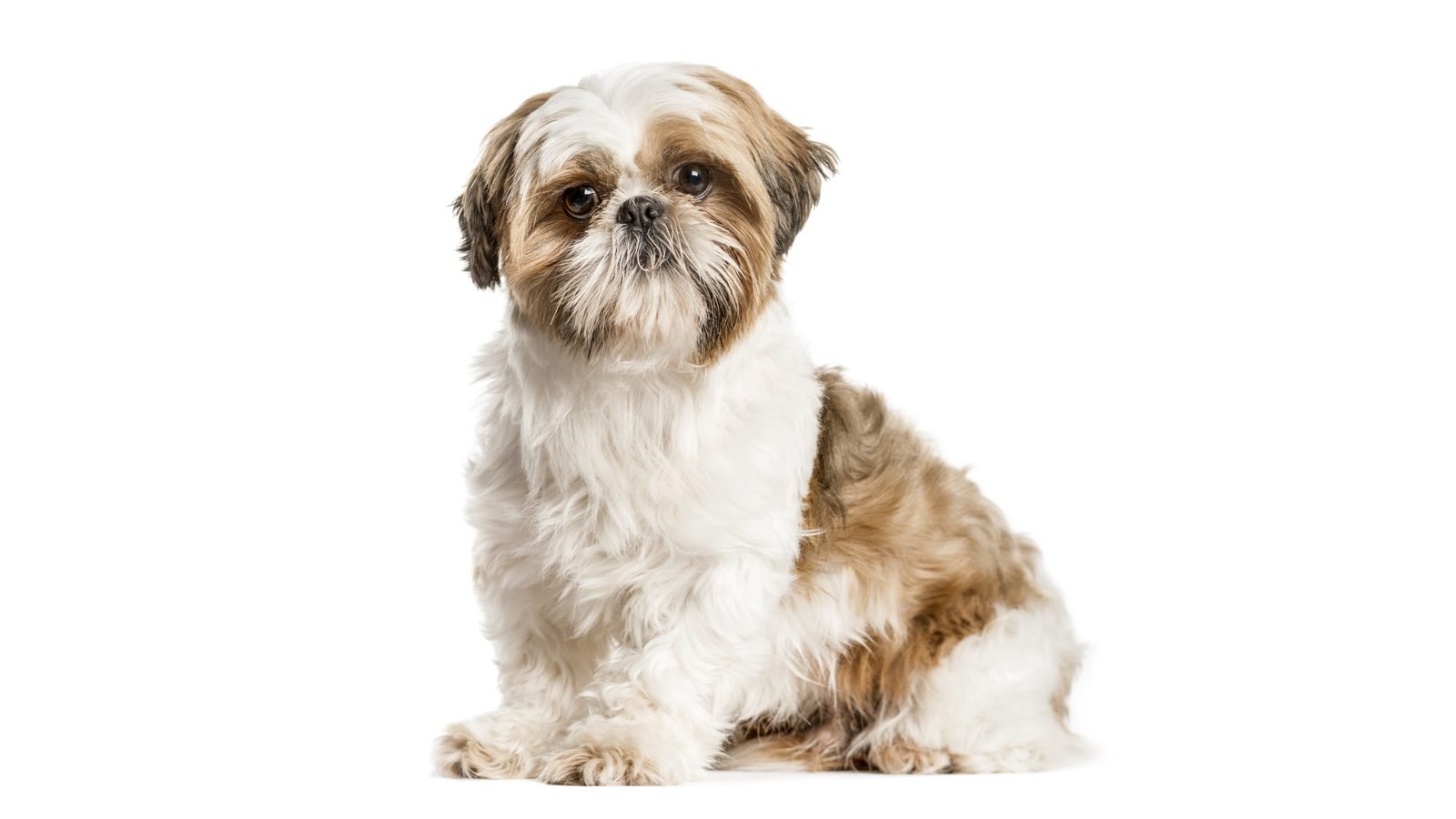
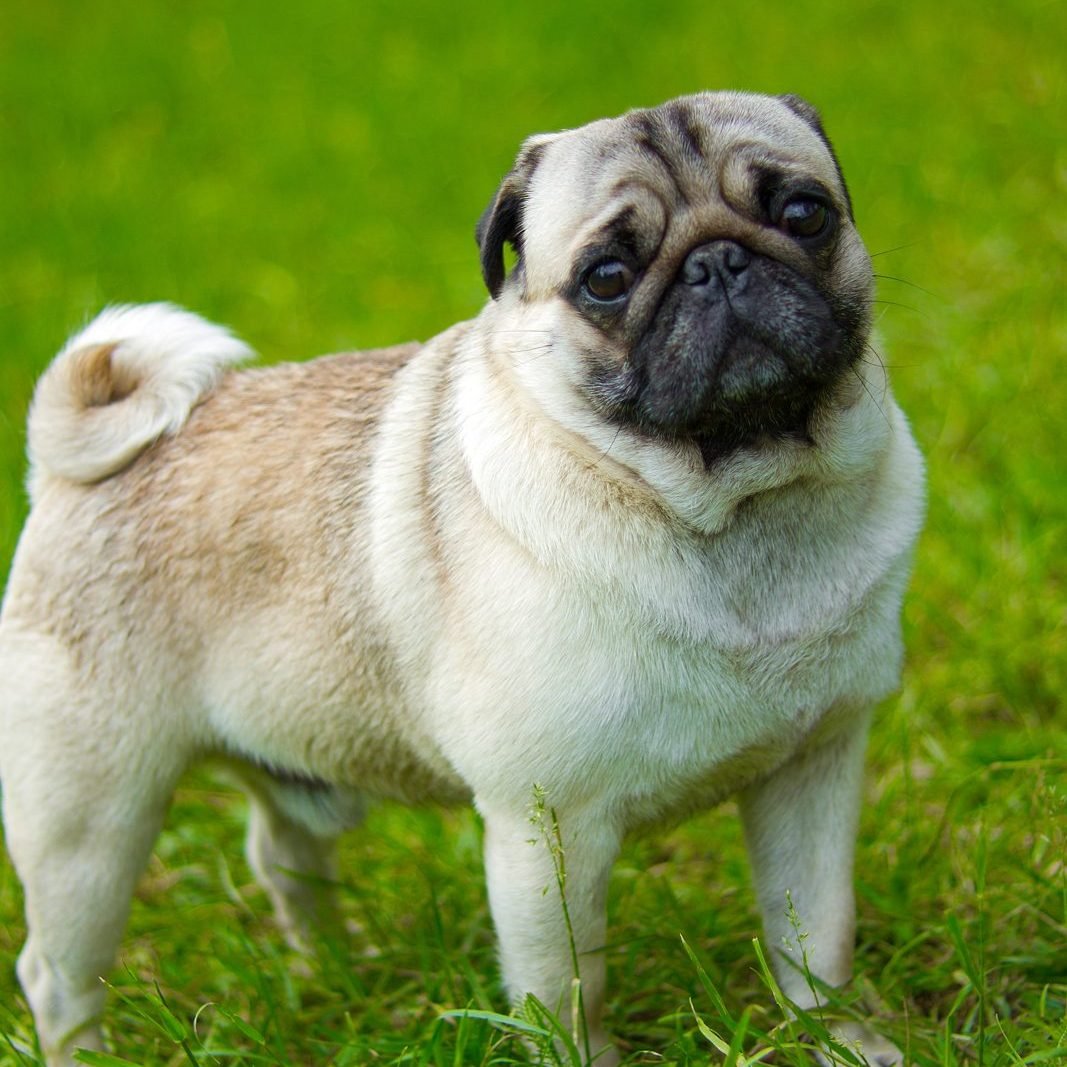
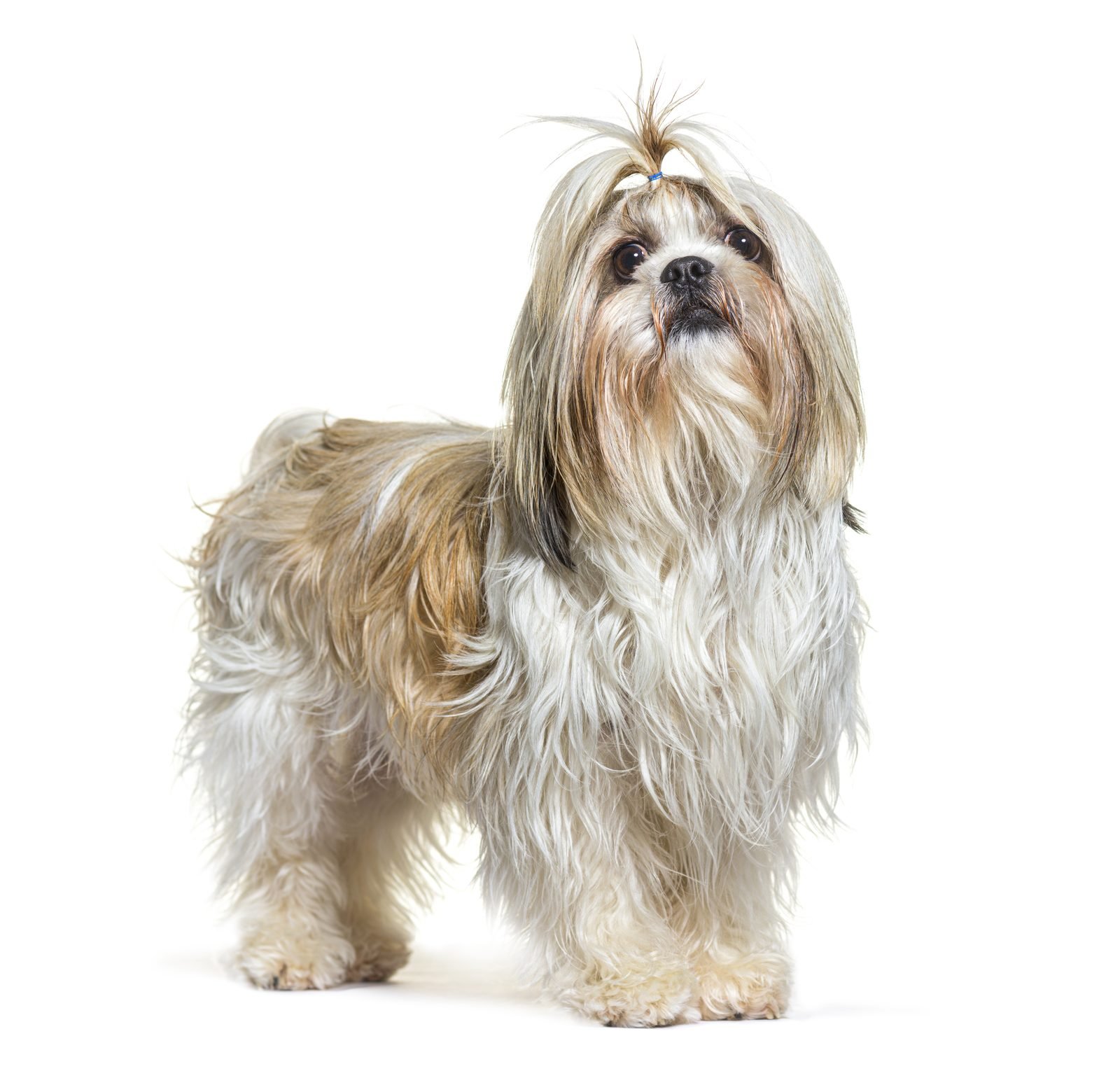
It is a cross between two companion breeds. Both are short-faced, sturdy and people-focused. The Pug comes in fawn or black under its AKC standard, and has a short, smooth coat. The Shih Tzu has a long, flowing double coat in every color.
The AKC does not register this cross as a breed, though mixed-breed dogs are welcome in its Canine Partners program. The American Shih Tzu Club discourages “designer dog” crosses, noting that first-generation puppies can be unpredictable. For other crosses, see our guide to popular Shih Tzu mixes.
How Big Does a Pug Shih Tzu Mix Get?
| Shih Tzu | Pug | |
|---|---|---|
| Weight (AKC standard) | 9 to 16 pounds | 14 to 18 pounds |
| Height (VCA) | 8 to 11 inches | 10 to 11 inches |
| Lifespan (VCA) | 11 to 14 years | 12 to 15 years |
| Coat | Long, flowing double coat | Fine, smooth, short |
| Colors (AKC) | All colors | Fawn or black |
| Muzzle | Short and square | Short, blunt and square |
Sources: AKC breed standards for the Shih Tzu and Pug; VCA breed profiles for the Shih Tzu and Pug.
Most of these mixes land between the parents, often a little heavier than a typical Shih Tzu. Meet both parents if you can, and ask the breeder for the adult weights of earlier litters.
Temperament
Both parents were bred purely as companions, and it shows. VCA’s breed profiles describe them like this:
| Trait | Shih Tzu | Pug |
|---|---|---|
| Personality | Affectionate lap dog and fun-loving companion | Devoted and entertaining family member |
| With strangers | Outgoing | Reserved |
| With other dogs | Good with other dogs and pets | Usually good with other dogs and pets |
| Training | Learns quickly, stubborn streak | Willing to please, but stubborn if forced |
Sources: VCA, Shih Tzu and Pug.
The AKC Pug standard describes an even-tempered breed with playfulness, charm and an outgoing, loving disposition. Expect a cheerful, clownish companion that wants to be wherever you are. Use reward-based training; VCA says Pugs dislike being forced, and Shih Tzus do not do well with force-based methods either. Our Shih Tzu training guide works for this mix.
Breathing, Heat and Exercise
This is the part to take most seriously. VCA lists both the Pug and the Shih Tzu among brachycephalic (flat-faced) breeds. Many flat-faced dogs have narrow nostrils and a long soft palate, which can make breathing hard work. VCA describes the signs:
- noisy breathing, especially with exercise, and snoring or snorting;
- tiring easily, and in severe cases collapsing after exertion;
- signs that get worse in hot or humid weather.
What helps, according to VCA:
- Keep the dog lean. Obesity makes breathing problems worse. VCA notes that Pugs tend to become obese, so measure meals and go easy on treats.
- Avoid heat and hard exercise. VCA says flat-faced dogs overheat more easily. Walk in the cool of the morning or evening, keep indoor spaces cool in summer, and stop at the first sign of heavy panting. VCA describes the Pug as not suited to overly vigorous exercise; a leisurely walk or short game is plenty.
- Use a harness, not a collar, to keep pressure off the throat.
- No swimming without a life jacket. VCA says many Pugs cannot stay afloat.
If breathing is noisy even at rest, or your dog struggles in mild weather, ask your vet. Surgery can help some dogs. Our guide to Shih Tzu breathing problems explains the condition and treatment, and our guide to Shih Tzus in hot weather covers heatstroke warning signs.
Eyes and Skin
Short-faced dogs have large, exposed eyes and folds of skin around the nose.
- Eyes. Corneal ulcers are common in flat-faced dogs. A UK study found that brachycephalic dogs had 11 times the odds of corneal ulcers compared with other dogs, and 3.45% of Shih Tzus had one. See a vet the same day for squinting, rubbing, a cloudy spot or a red, weepy eye. More in our Shih Tzu eye care guide.
- Skin folds. VCA says a Pug’s facial wrinkles need regular cleaning and drying to prevent skin infections. If your mix has nose folds, wipe and dry them a few times a week.
Coat and Grooming
The coat depends on which parent it takes after:
- Pug-type coat: short and smooth. VCA suggests weekly brushing and rates Pug shedding as above average.
- Shih Tzu-type coat: long and flowing. VCA advises brushing and combing every other day to prevent mats.
Many owners of longer-coated mixes keep a short trim, which is also cooler in summer. See our Shih Tzu haircuts guide.
Other Health Problems
A mix can inherit problems from either parent. In a UC Davis study of more than 90,000 dogs, 13 of 24 inherited disorders were about as common in mixed breeds as in purebreds (UC Davis, 2013).
- Dental disease. VCA says the Shih Tzu is prone to periodontal problems. Brush the teeth daily; see our Shih Tzu teeth care guide.
- Weight gain. VCA notes the Pug’s tendency to obesity. Our Shih Tzu weight guide shows how to check body condition with your hands.
- Common Shih Tzu problems. In a large UK study of Shih Tzus, skin (16.6%), dental (13.3%) and eye disorders (11.9%) were the most common groups. See Shih Tzu health problems.
Is a Pug Shih Tzu Mix Right for You?
| A good fit if you… | Think twice if you… |
|---|---|
| Want a cuddly, comical companion | Live somewhere hot without air conditioning |
| Prefer gentle walks to long runs | Want a jogging or hiking partner |
| Will keep the dog lean and watch its eyes | Are not ready for possible vet bills for breathing or eye problems |
| Can train patiently with rewards | Want a dog that is quiet when it sleeps (many snore) |
If you buy a puppy, choose a breeder who health-checks both parents, lets you meet them, and does not breed for the flattest possible face. Ask how the parents breathe at rest and after a short walk.
Comparing crosses? See the Pomeranian Shih Tzu and the Shih Tzu weiner dog mix.
Frequently asked questions
How big does a Pug Shih Tzu mix get?
There is no standard. The AKC standards call for Pugs of 14 to 18 pounds and Shih Tzus of 9 to 16 pounds, so most of these mixes end up somewhere between about 9 and 18 pounds.
What is a Pug Shih Tzu mix called?
It is often sold as a Pug-Zu or Shug. It is a mixed-breed dog, not a recognized breed, so looks and size vary from puppy to puppy.
Do Pug Shih Tzu mixes have breathing problems?
They are at real risk. VCA lists both Pugs and Shih Tzus as brachycephalic (flat-faced) breeds, and a cross of two flat-faced breeds is likely to have a short muzzle too. Watch for noisy breathing, snoring and tiring quickly, and keep the dog lean and cool.
Do Pug Shih Tzu mixes shed?
Often, yes. VCA rates Pug shedding as above average and Shih Tzu shedding as below average, so it depends which parent the coat takes after.
How long does a Pug Shih Tzu mix live?
There is no reliable lifespan data for the cross. VCA lists 12 to 15 years for the Pug and 11 to 14 years for the Shih Tzu.
Sources
- American Kennel Club. Official Standard of the Pug.
- American Kennel Club. Official Standard of the Shih Tzu.
- American Kennel Club. AKC Canine Partners.
- VCA Animal Hospitals. Pug and Shih Tzu breed profiles.
- VCA Animal Hospitals. Brachycephalic Airway Syndrome in Dogs.
- O’Neill DG, et al. Corneal ulcerative disease in dogs under primary veterinary care in England. Canine Genetics and Epidemiology, 2017.
- Dale F, Brodbelt DC, West G, Church DB, Lee YH, O’Neill DG. Demography, common disorders and mortality of Shih Tzu dogs under primary veterinary care in the UK. Canine Medicine and Genetics, 2024.
- University of California, Davis. Purebred dogs not always at higher risk for genetic disorders, study finds. May 28, 2013.
- American Shih Tzu Club. The Facts About “Imperial” Shih Tzu and “Designer Dogs”.
This article is for general information. It is not a substitute for advice from your veterinarian. Read our medical disclaimer.