Shih Tzu Dachshund Mix: Size, Temperament, Back Care and Health
Part of our guide: Shih Tzu mixes
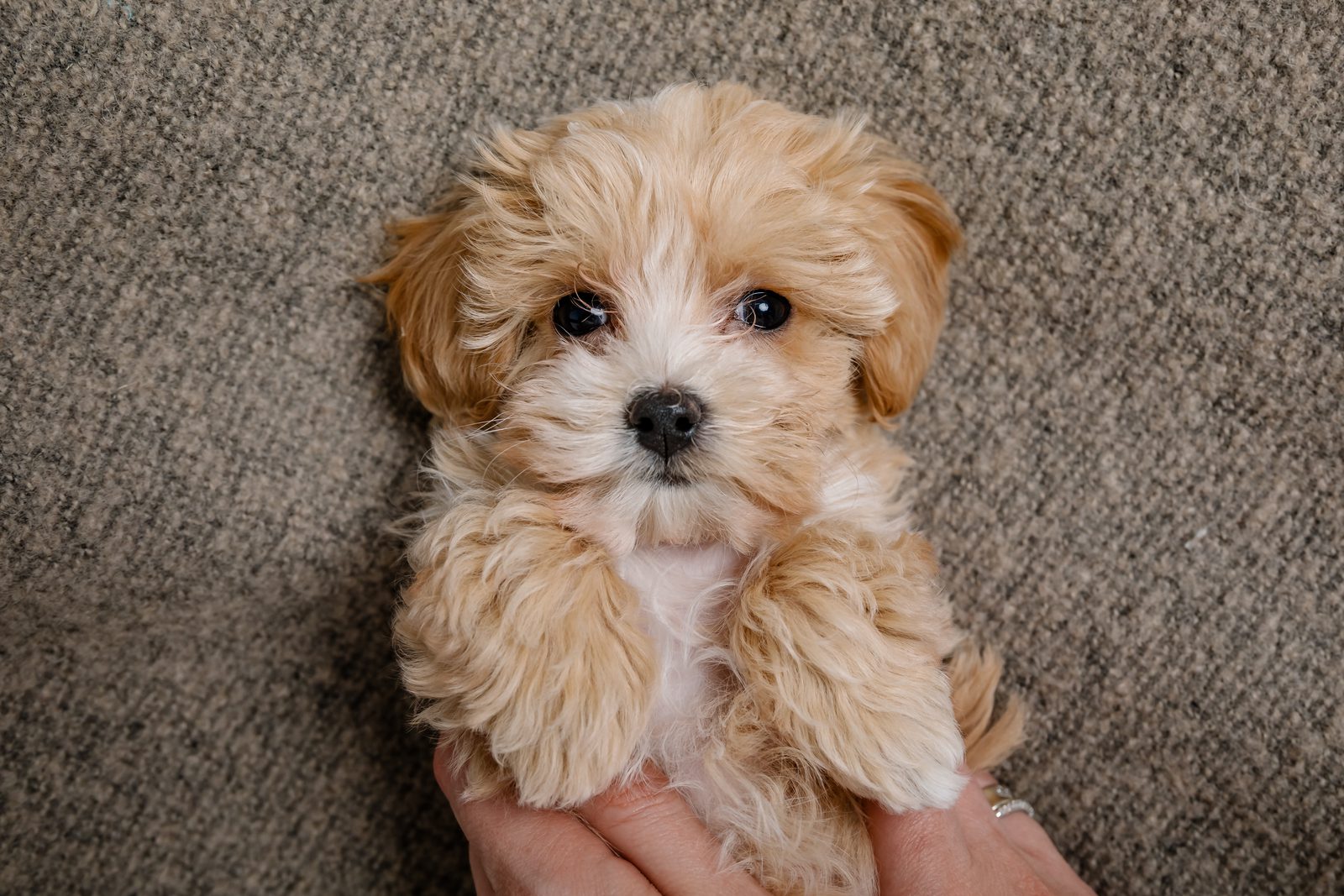
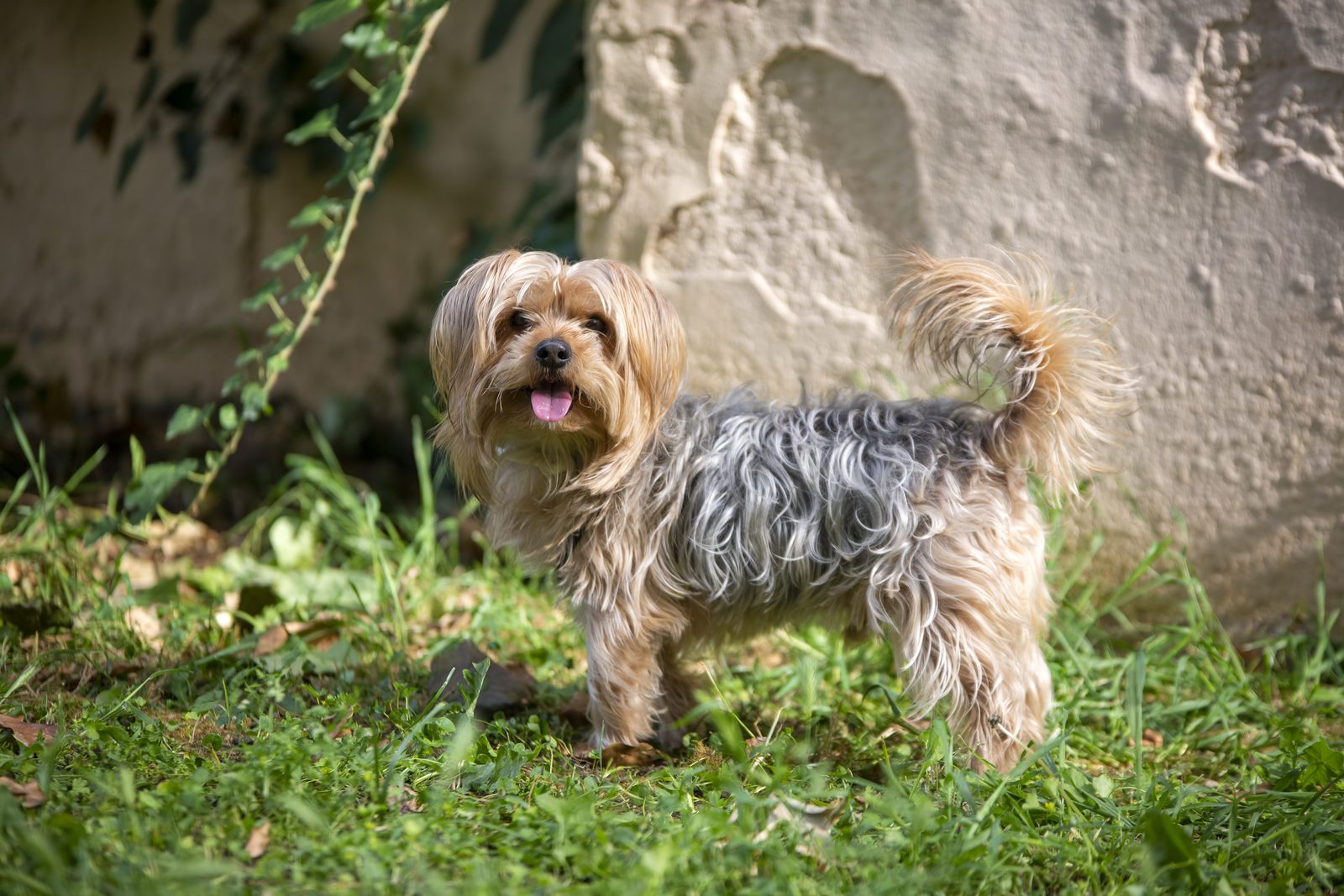
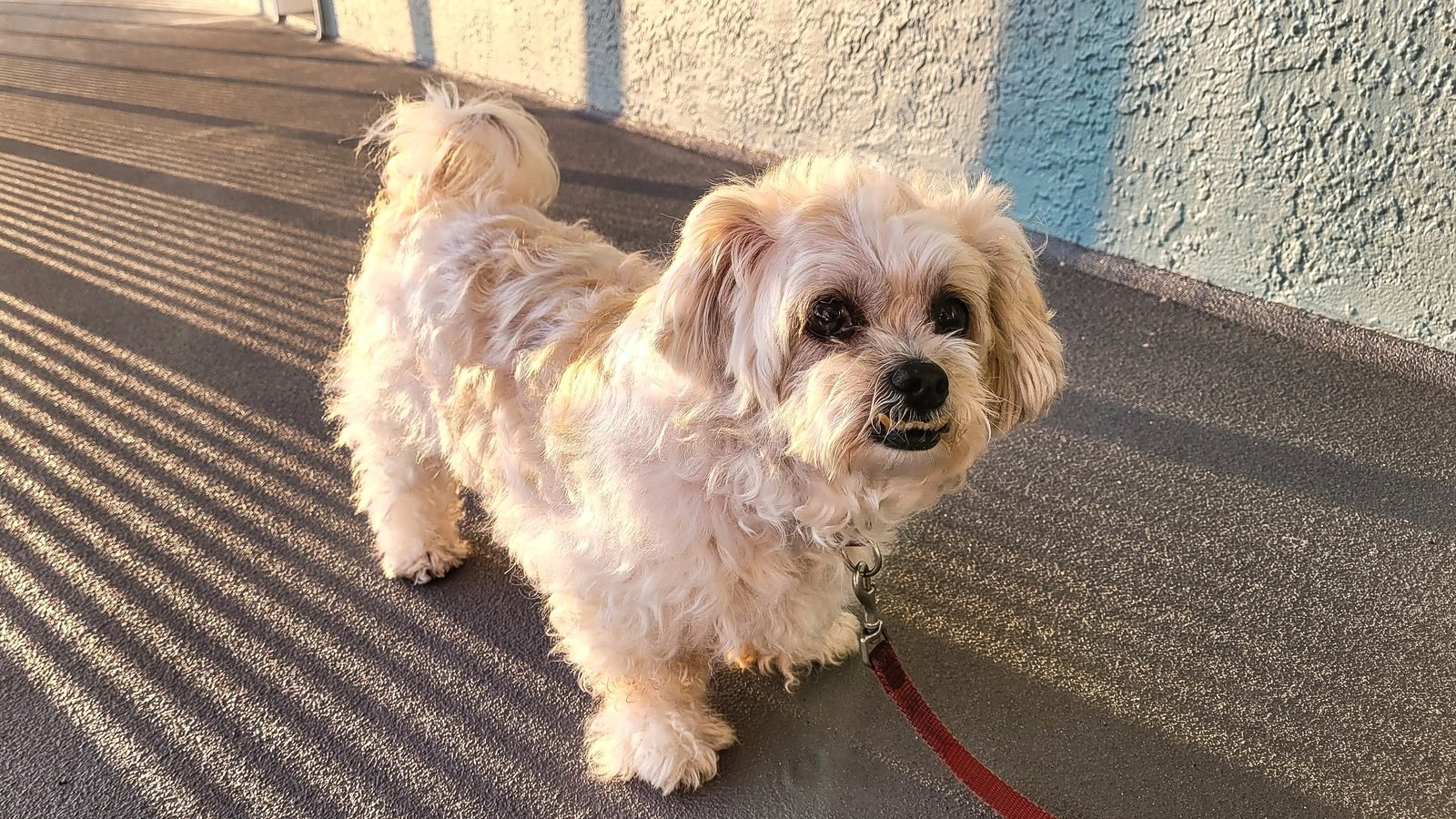
Quick answer: A Shih Tzu Dachshund mix (often called a Schweenie) is a cross between a Shih Tzu and a Dachshund. It is not a recognized breed. Most have a longish back on short legs and weigh about 9 to 16 pounds, more if the Dachshund parent is a standard. Expect a bold, loyal companion that may be wary of strangers and needs its back protected, because both parents are prone to disc disease.
On this page
How we researched this article: This guide is based on the American Kennel Club (AKC) breed standards for the Shih Tzu and Dachshund, VCA Animal Hospitals’ veterinary breed profiles, the AKC Canine Health Foundation’s overview of disc disease, a University of California, Davis study of more than 90,000 dogs, and the American Shih Tzu Club. Every source is listed at the end. Last reviewed: November 2026.
Five things to know about the Shih Tzu Dachshund mix
- It is a Shih Tzu × Dachshund cross, often sold as a “Schweenie.”
- Size depends on the Dachshund parent: miniature Dachshunds weigh 11 pounds or less, standards usually 16 to 32 pounds.
- Both parents are among the breeds most often affected by back disc disease (IVDD).
- It may be wary of strangers and quick to bark, like many Dachshunds.
- It can easily get overweight, which strains a long back.
What Is a Shih Tzu Dachshund Mix?
It is a cross between a Chinese palace companion and a German hound. The name Dachshund means “badger dog” in German, and the breed was originally bred to hunt badgers. It comes in three coat types (smooth, long and wire) and two sizes (standard and miniature).
The AKC does not register this cross as a breed, though mixed-breed dogs are welcome in its Canine Partners program. The American Shih Tzu Club discourages “designer dog” crosses, noting that first-generation puppies can be unpredictable. For other crosses, see our guide to Shih Tzu mixes.
How Big Does a Shih Tzu Dachshund Mix Get?
| Shih Tzu | Dachshund | |
|---|---|---|
| Weight (AKC standard) | 9 to 16 pounds | Miniature: 11 pounds or less; standard: usually 16 to 32 pounds |
| Height (VCA) | 8 to 11 inches | 5 to 9 inches |
| Lifespan (VCA) | 11 to 14 years | 12 to 14 years |
| Coat | Long, flowing double coat | Smooth, long or wire |
| AKC group | Toy | Hound |
Sources: AKC breed standards for the Shih Tzu and the Dachshund (published by the Dachshund Club of America); VCA breed profiles for the Shih Tzu and Dachshund.
Ask the breeder whether the Dachshund parent is a miniature or a standard, and what both parents weigh. A cross with a miniature will usually be close to Shih Tzu size. A cross with a standard Dachshund can be noticeably bigger and longer.
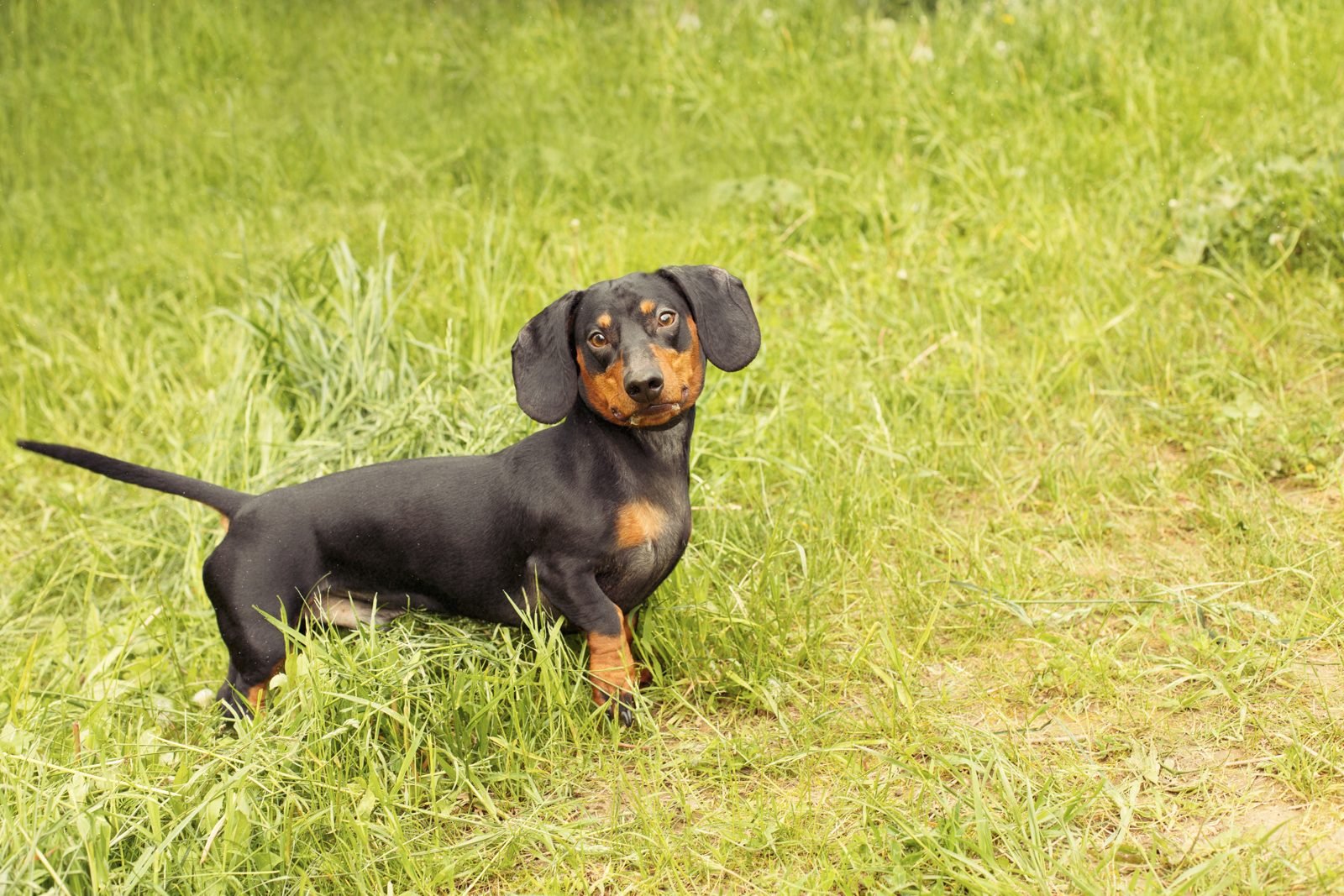
Temperament
The parents were bred for very different jobs: one to sit on laps, the other to hunt. VCA’s breed profiles describe them like this:
| Trait | Shih Tzu | Dachshund |
|---|---|---|
| Personality | Affectionate lap dog and fun-loving companion | Devoted lap dog and saucy playmate |
| With strangers | Outgoing | Reserved, even suspicious |
| Loyalty | Friendly with everyone | Often a one-person or one-family dog |
| Barking | Not singled out | Some bark a lot |
| Independence | People-focused | Independent, curious and bold; may wander |
| Training | Stubborn streak; reward-based works best | Stubborn streak; reward-based with food works best |
Sources: VCA, Shih Tzu and Dachshund.

So a Shih Tzu Dachshund mix may be a cuddly dog with a brave, nosy hound streak. Early, gentle socialization with new people helps it stay friendly. Keep it on a leash or in a secure yard, because VCA warns that Dachshunds tend to wander and explore. If barking becomes a habit, our guide to Shih Tzu barking has tips that work for this mix too.
Protect Its Back
This is the most important part of caring for this mix. The AKC Canine Health Foundation names the Dachshund, Beagle, Shih Tzu, Lhasa Apso and Pekingese as the breeds most commonly affected by intervertebral disc disease (IVDD). In IVDD, a cushioning disc between the bones of the spine bulges or bursts and presses on the spinal cord.
Simple habits lower the strain on the back:
- Keep it lean. VCA notes that Dachshunds tend to become obese. Extra weight adds load to a long spine. Our Shih Tzu weight guide shows how to check body condition with your hands.
- Use ramps or steps for the sofa, bed and car, and carry the dog on stairs when you can.
- Lift it properly: support the chest and the rear end at the same time, keeping the back level.
- Use a harness instead of a collar for walks.
See a vet promptly if your dog shows signs the AKC Canine Health Foundation links to IVDD, such as neck or back pain, a hunched back, yelping when touched or moved, wobbliness, or dragging one or more legs. Sudden weakness or paralysis is an emergency.
Coat and Grooming
The coat depends on which parent it takes after:
- Smooth, short coat: VCA suggests weekly brushing for a smooth Dachshund and rates its shedding as below average.
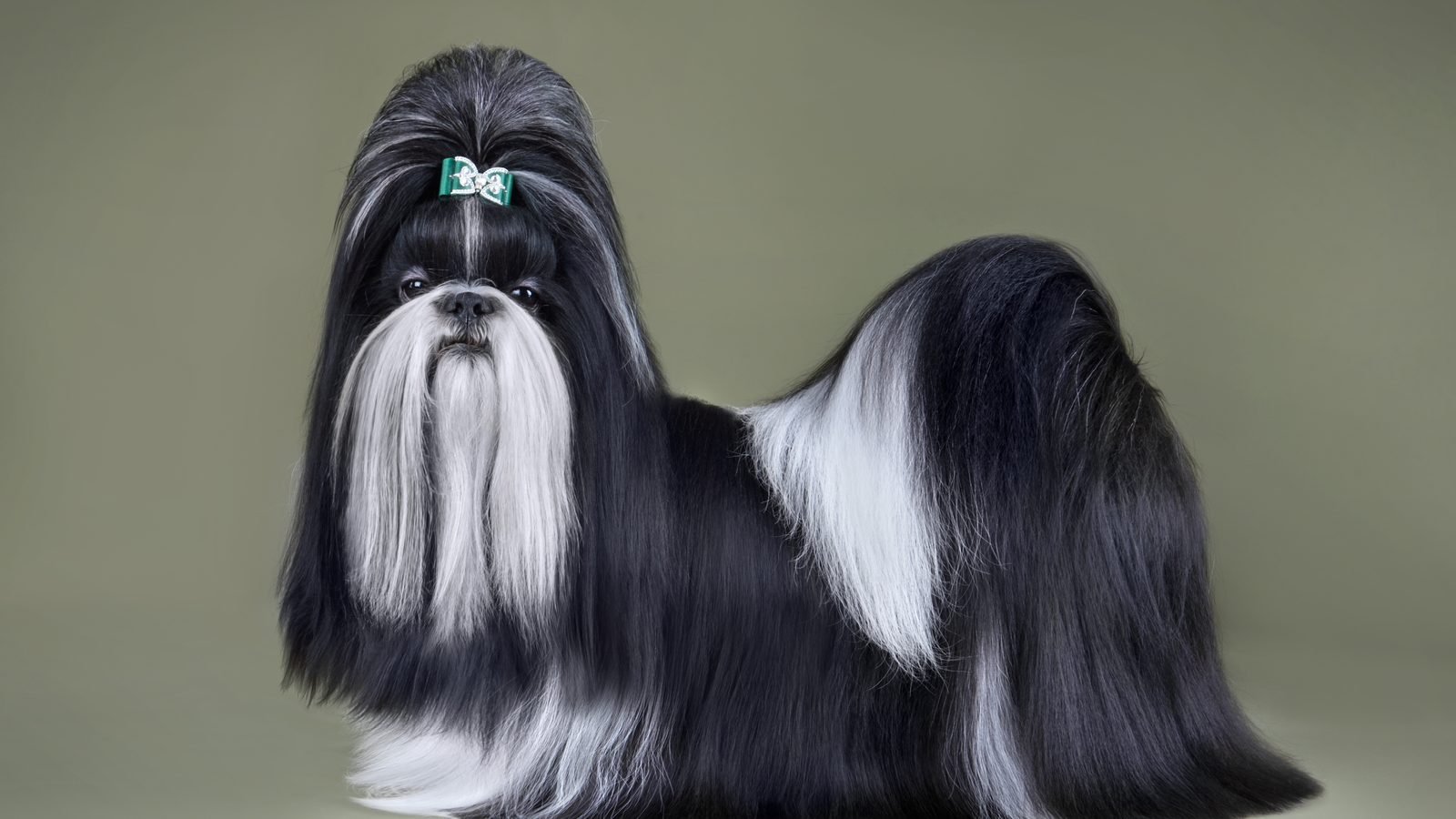
- Long or wiry coat: from a long-haired or wire Dachshund, or from the Shih Tzu. VCA advises brushing and combing a Shih Tzu coat every other day to prevent mats.
Many owners keep a longer coat in a short pet trim; see our Shih Tzu haircuts guide. VCA notes that smooth Dachshunds hate the cold, so a short-coated mix may need a sweater in winter.
Other Health Problems
A mix can inherit problems from either parent. In a UC Davis study of more than 90,000 dogs, 13 of 24 inherited disorders were about as common in mixed breeds as in purebreds (UC Davis, 2013).
- Dental disease. VCA says the Shih Tzu is prone to periodontal problems. Brush the teeth daily; see our Shih Tzu teeth care guide.
- Flat-face problems. If the puppy inherits the Shih Tzu’s short muzzle, watch for noisy breathing and overheating. VCA lists the Shih Tzu as a brachycephalic breed.
- Common Shih Tzu problems. In a large UK study of Shih Tzus, skin (16.6%), dental (13.3%) and eye disorders (11.9%) were the most common groups. See Shih Tzu health problems.
Exercise
VCA suggests a walk around the block once or twice a day for a Dachshund, which suits a Shih Tzu too. Dog parks are best avoided unless only small dogs are allowed together. Avoid games with lots of jumping or twisting, which strain the back. Our Shih Tzu exercise guide has gentle ideas.
Is a Shih Tzu Dachshund Mix Right for You?
| A good fit if you… | Think twice if you… |
|---|---|
| Want a bold, loyal small dog | Want a dog that loves every stranger |
| Can use ramps and keep the dog lean | Have lots of stairs and cannot carry the dog |
| Enjoy short daily walks | Need a quiet dog for close neighbors |
| Can train patiently with treats | Are not ready for possible vet bills for back problems |
If you buy a puppy, choose a breeder who health-checks both parents, tells you whether the Dachshund is a miniature or a standard, and lets you meet both dogs. Shelters and small-breed rescues also take in these mixes.
Comparing crosses? See the Shih Tzu Pug mix and the Shih Tzu Chihuahua mix.
Frequently asked questions
How big does a Shih Tzu Dachshund mix get?
It depends on whether the Dachshund parent is a miniature or a standard. Miniature Dachshunds weigh 11 pounds or less, standards usually 16 to 32 pounds, and Shih Tzus 9 to 16 pounds. A cross with a miniature usually ends up about 9 to 16 pounds; a cross with a standard can be bigger.
What is a Shih Tzu Dachshund mix called?
It is often sold as a Schweenie, a Shih Tzu weiner dog mix. It is a mixed-breed dog, not a recognized breed, so looks and size vary from puppy to puppy.
Do Shih Tzu Dachshund mixes have back problems?
They can. The AKC Canine Health Foundation names both the Dachshund and the Shih Tzu among the breeds most commonly affected by intervertebral disc disease (IVDD). Use ramps, limit jumping and see a vet quickly for back pain, wobbliness or dragging legs.
Do Shih Tzu Dachshund mixes bark a lot?
Some do. VCA notes that some Dachshunds bark a lot and that the breed is reserved, even suspicious, toward strangers. Early socialization and reward-based training help.
How long does a Shih Tzu Dachshund mix live?
There is no reliable lifespan data for the cross. VCA lists 12 to 14 years for the Dachshund and 11 to 14 years for the Shih Tzu.
Sources
- Dachshund Club of America. Official Standard of the Dachshund (AKC breed standard).
- American Kennel Club. Official Standard of the Shih Tzu.
- American Kennel Club. AKC Canine Partners.
- VCA Animal Hospitals. Dachshund and Shih Tzu breed profiles.
- VCA Animal Hospitals. Brachycephalic Airway Syndrome in Dogs.
- AKC Canine Health Foundation. Overview of Intervertebral Disc Disease.
- Dale F, Brodbelt DC, West G, Church DB, Lee YH, O’Neill DG. Demography, common disorders and mortality of Shih Tzu dogs under primary veterinary care in the UK. Canine Medicine and Genetics, 2024.
- University of California, Davis. Purebred dogs not always at higher risk for genetic disorders, study finds. May 28, 2013.
- American Shih Tzu Club. The Facts About “Imperial” Shih Tzu and “Designer Dogs”.
- Britannica. Dachshund (name meaning and origin).
This article is for general information. It is not a substitute for advice from your veterinarian. Read our medical disclaimer.