
Shih Tzu Colors: Every Coat Color and Marking Explained
How we researched this article: This guide is based on the official breed standards of the American Kennel Club, the American Shih Tzu Club, and the Canadian Kennel Club. Health facts come from published veterinary research and veterinary references. Every source is listed at the end. Last reviewed: September 2026.
The Short Answer
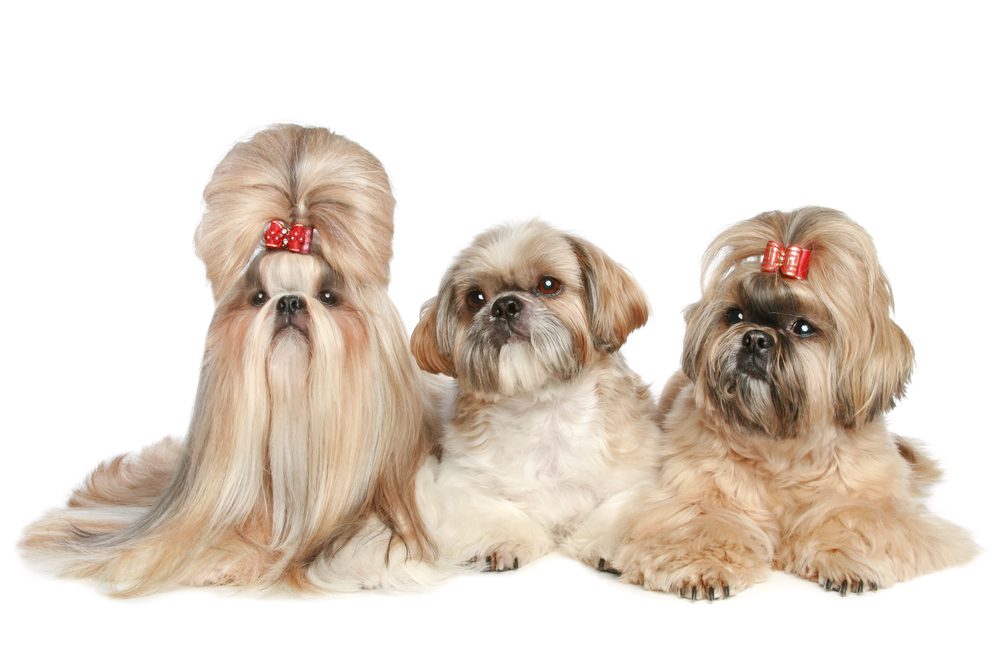
Shih Tzus come in almost every color. In North America, every color and marking is accepted.
The American Kennel Club (AKC) standard says all colors and markings are permissible and should be considered equally. The American Shih Tzu Club uses the same standard. The Canadian Kennel Club (CKC) also accepts all colors, with rules about nose and eye color that we explain below.
This means no color is “better” or “more purebred” than another. It also means you should be careful with breeders who charge extra for a “rare” color.
Common Shih Tzu Colors
Breeders and kennel clubs use many names for Shih Tzu colors. The most common are:
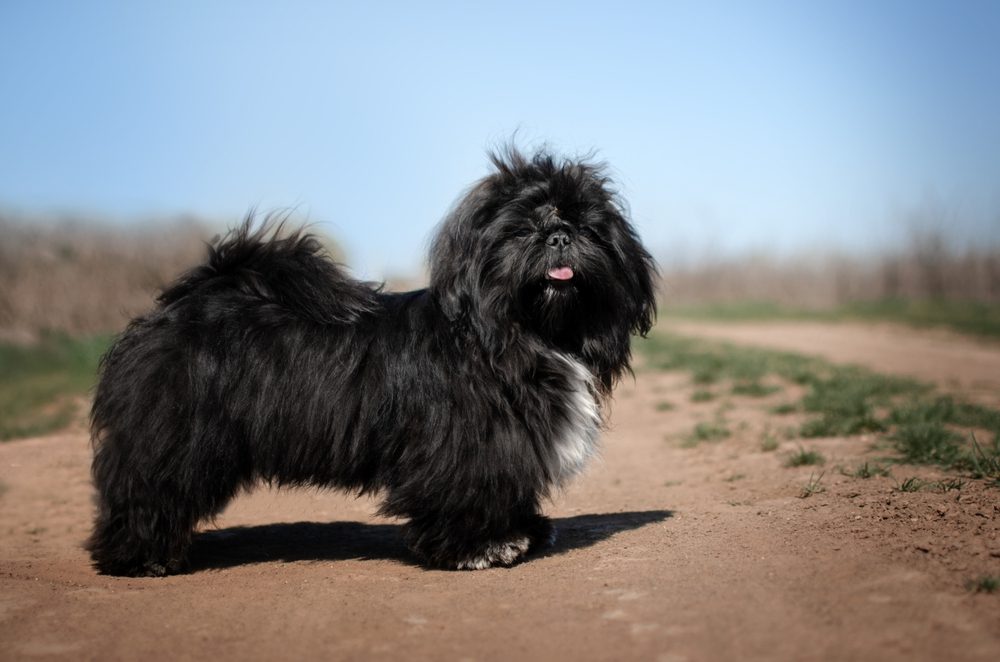
- Black. Solid black, or black with white markings.
- White. Often white with small patches of another color.
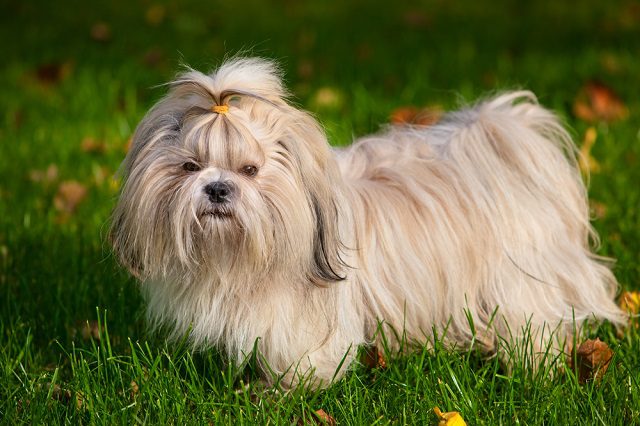
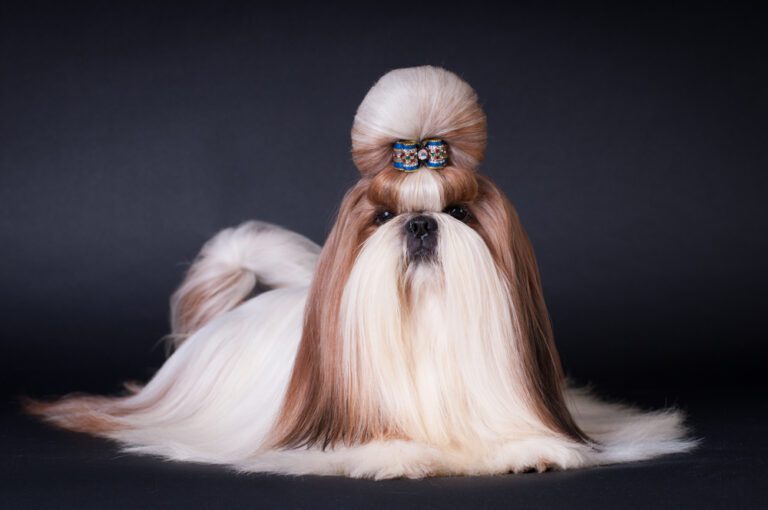
- Gold. Ranges from pale cream to deep honey.
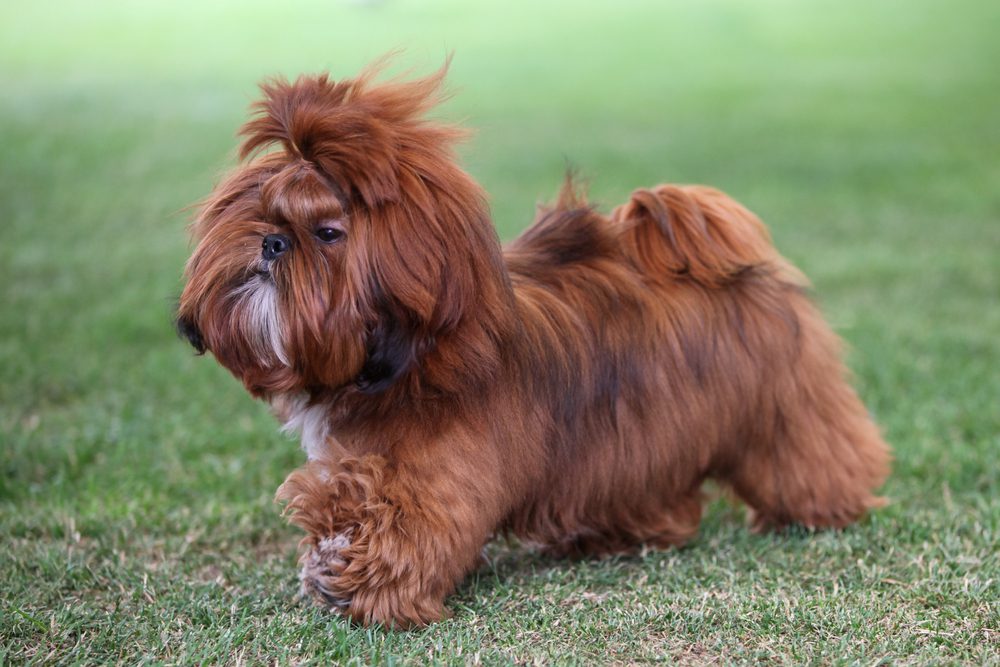
- Red. A deeper, richer shade of gold.
- Brindle. Dark stripes over a lighter base color.
- Silver. A pale grey coat, often with darker tips.
- Liver. A brown coat with a brown nose. See the section on pigment below.
- Blue. A diluted, slate-grey coat with a blue-grey nose.
Color names are not always consistent. A longtime North American breeder writing in Showsight magazine noted that many colors listed on pedigrees are likely wrong. So treat the color on a puppy’s papers as a rough guide.
Common Markings
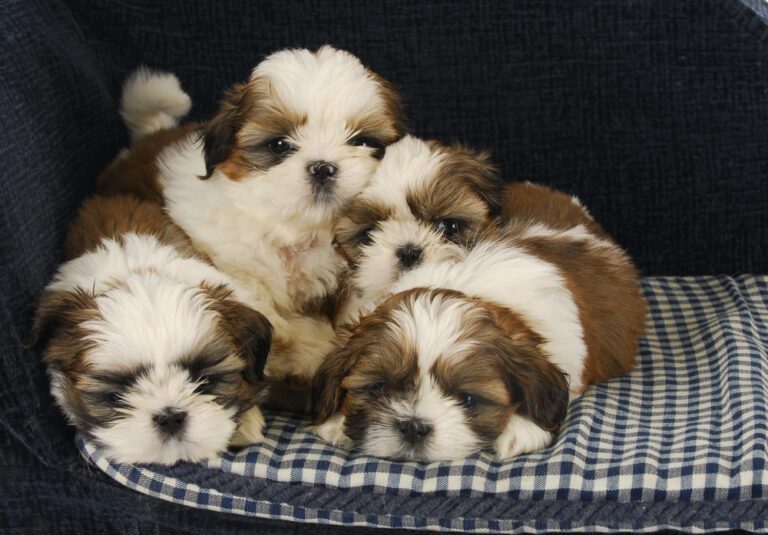
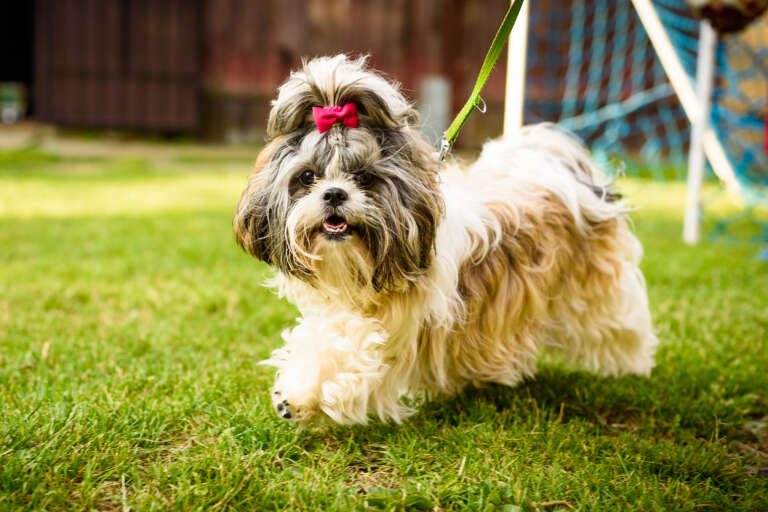
- Parti-color: white with patches of another color. Black-and-white and gold-and-white are the most familiar.
- Solid: one color over the whole body.
- Blaze: a white stripe on the forehead.
- Mask: a darker color around the muzzle and eyes.
Nose and Eye Color: What the Standards Say
This is where color matters most in the breed standards.
Under the AKC standard, the nose, lips, and eye rims should be black on all colors. The exceptions are liver dogs, which have liver-brown pigment, and blue dogs, which have blue-grey pigment. Liver and blue dogs may also have lighter eyes. A pink nose, lips, or eye rims is a fault.
The CKC standard is similar. It accepts all colors with black noses, lips, and eye rims, except for livers and blues. The CKC also disqualifies a Shih Tzu with one or two blue eyes.
For a pet owner, none of this affects how good a companion your dog will be. It matters if you plan to show your dog or if you are judging whether a breeder knows the breed.
Black Shih Tzus
Black Shih Tzus can be solid black or black with white on the chest, feet, or face. A solid black coat hides dirt and small tear stains well. It also makes it harder to spot skin problems, so part the coat and check the skin during grooming.
We found no published research showing that black Shih Tzus differ from other colors in temperament, trainability, or health. Care is the same as for any Shih Tzu.
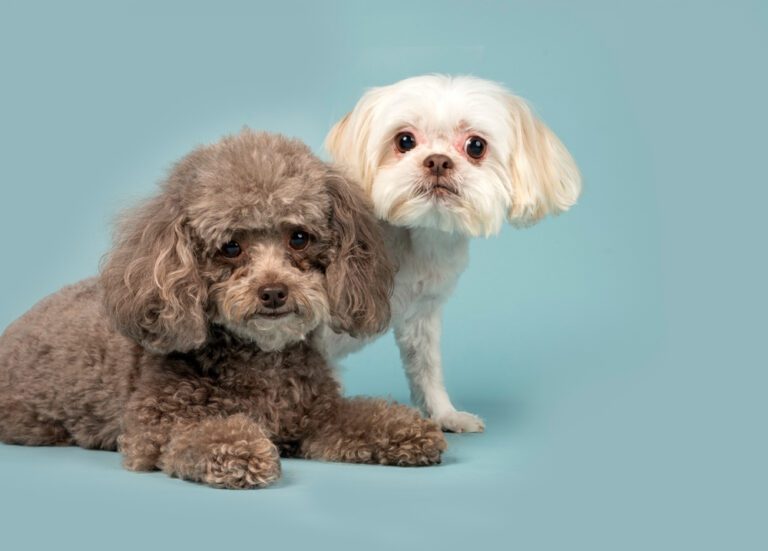
White Shih Tzus
White Shih Tzus are usually white with a few colored patches. A pure white coat has one real downside. It shows tear staining clearly.
Tear stains are the reddish-brown marks under the eyes. They are caused by a pigment in tears called porphyrin. Tear staining is linked to extra tear production or poor tear drainage. It shows up most on light-colored coats.
Flat-faced breeds with large eyes, like the Shih Tzu, are prone to tearing. To manage it:
- Wipe under the eyes once or twice a day with a clean, damp cloth.
- Keep the hair around the eyes trimmed short.
- Dry the face after meals and water.
- See your vet if the discharge turns yellow or green, or if your dog squints or paws at an eye. These can be signs of infection or injury.

Read more in our guide to Shih Tzu eye care.
White and cream Shih Tzus show tear staining most; see our guide to Shih Tzu tear stains for a safe daily routine.
Black and White Shih Tzus
Black-and-white is one of the most recognizable parti-color patterns. It is common, not rare. Like every color, it is fully accepted by the AKC and the CKC. Black-and-white Shih Tzus do not have a different personality from other Shih Tzus.
Brown, Gold, and Liver Shih Tzus
Many dogs called “brown” are really gold or red with a black nose. A true liver Shih Tzu has a brown nose, brown lips, and brown eye rims. Look at the nose to tell them apart.
Do Shih Tzus Change Color?
Yes, very often. Many Shih Tzu puppies look quite different as adults. Coats commonly lighten or shift as the adult coat grows in. This is one reason the color on registration papers may not match the grown dog.
Normal color change happens gradually as a puppy matures. Sudden patches of lost color, bald spots, or skin changes in an adult are not normal. Those need a vet visit.
“Rare” Colors and Merle: A Warning
Some sellers advertise Shih Tzus in “rare” colors like merle, chocolate, or lavender, often at higher prices. Be cautious.
Merle is a mottled, patchy coat pattern. It is not a traditional Shih Tzu pattern. The UK Kennel Club accepts all Shih Tzu colors except merle. A merle Shih Tzu may have another breed in its background.
Merle also carries real health risk. A study at Louisiana State University tested the hearing of 153 merle dogs across several breeds. Among dogs with two copies of the merle gene, about 25% were deaf in one or both ears. Among dogs with one copy, the rate was much lower. Two-copy merles are also linked to eye defects.
If you want a specific color, choose a breeder who health-tests their dogs and can explain their color genetics. Never pay extra for color alone.
Does Color Affect Personality or Health?
We found no published study linking coat color to temperament or lifespan in Shih Tzus. Your dog’s health depends on genetics, breeding, and care, not coat color. The one clear exception is the merle pattern described above.
Learn more in our Shih Tzu lifespan guide.
Safety first: Be wary of “rare” merle Shih Tzus. In the Louisiana State University hearing study cited below, about 25% of dogs with two copies of the merle gene were deaf in one or both ears. Two-copy merles are also linked to eye defects. Never breed two merle dogs together, and ask any breeder for proof of health testing.
Frequently Asked Questions
What is the rarest Shih Tzu color?
Liver and blue are less common, because they come from recessive genes. But rarity does not make a dog healthier or more valuable as a pet. All colors are accepted equally by the AKC.
Are black and white Shih Tzus rare?
No. Black-and-white is one of the most common parti-color patterns.
Can a Shih Tzu have blue eyes?
The CKC disqualifies Shih Tzus with one or two blue eyes. Blue eyes can be a sign of merle genes, which carry a risk of deafness and eye problems.
Why did my Shih Tzu puppy change color?
Color change is normal as the adult coat grows in. Sudden color loss, bald patches, or skin changes should be checked by a vet.
Does coat color affect a Shih Tzu’s health?
For standard Shih Tzu colors, there is no good evidence that coat color changes health or temperament. The main exception is merle. Dogs with two copies of the merle gene have a higher risk of deafness and eye defects. Choose a puppy for health and temperament, not color.
Sources
- American Kennel Club. Official Standard of the Shih Tzu.
- American Shih Tzu Club. Breed Standard.
- Paquette W. Shih Tzu Colors and Markings. Showsight Magazine, 2024. Includes the Canadian Kennel Club and UK Kennel Club color wording.
- National Purebred Dog Day. When “Dobie Markings” Are not on a Dobie. On liver and blue Shih Tzus.
- Strain GM, et al. Prevalence of deafness in dogs heterozygous or homozygous for the merle allele. Journal of Veterinary Internal Medicine, 2009.
- PetMD. Epiphora in Dogs: Causes and Treatment. Updated 2026.
This article is for general information. It is not a substitute for advice from your veterinarian. Read our medical disclaimer.


2 Comments
Comments are closed.