How to Tell If a Shih Tzu Is Purebred: Papers, DNA, and Red Flags
How we researched this guide: This article is based on the American Kennel Club (AKC) Shih Tzu breed standard and DNA guidance, and the American Shih Tzu Club (ASTC) statement on “imperial” Shih Tzu and designer dogs. Last reviewed: September 2026.
How can you tell if a Shih Tzu is purebred? Looks alone cannot prove it. The only reliable proof is documented ancestry, backed by registration papers and, if needed, a parentage DNA test. Here is what to check and what marketing claims to be wary of.
What “Purebred” Actually Means
The AKC explains that it recognizes a dog as purebred based on documented ancestry, with four generations of recorded pedigree. In other words, purebred status comes from records, not from how a dog looks.
1. Ask for Registration Papers and a Pedigree
- Ask for the litter or puppy registration with a recognized registry such as the AKC or CKC.
- Ask to see a pedigree showing at least three to four generations.
- Make sure the names and registration numbers match the parents you meet.
- Be cautious of “papers” from little-known registries you cannot verify.
Remember that registration shows ancestry. It does not guarantee health or temperament, so also ask about health screening.
2. Understand What DNA Tests Can and Cannot Do
| Test | What it does | Proves purebred status? |
|---|---|---|
| Parentage DNA (such as the AKC DNA Profile) | Confirms who the sire and dam are | Supports the pedigree records |
| Breed heritage test (consumer kits) | Estimates breed ancestry by comparing DNA to reference panels | No. The AKC states these are not purity tests. |
3. Compare the Dog to the Breed Standard
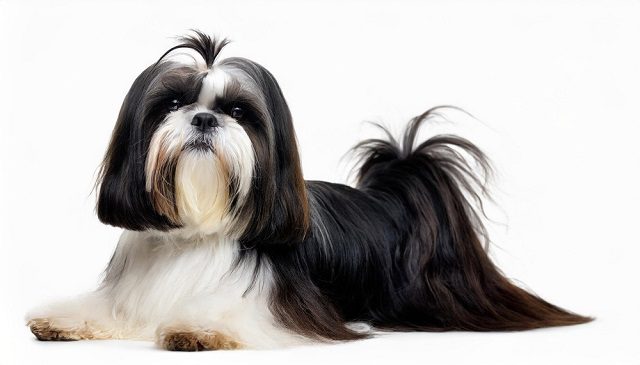
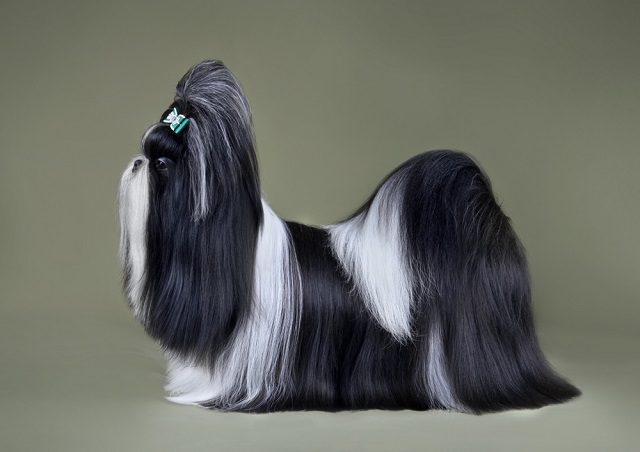
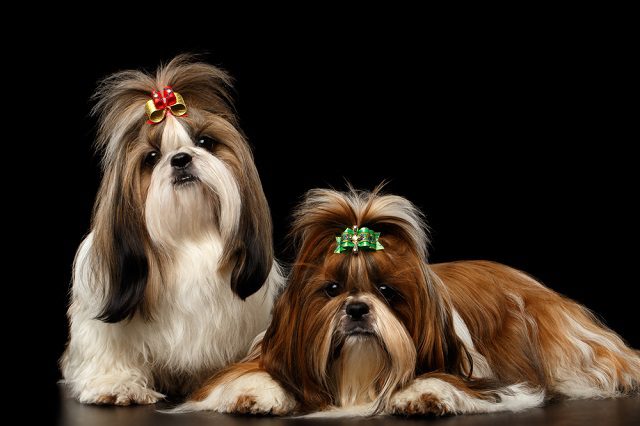
A purebred Shih Tzu should broadly match the AKC standard, although pet-quality dogs may differ in small ways:
- Size: ideally 9 to 10.5 inches tall and 9 to 16 pounds.
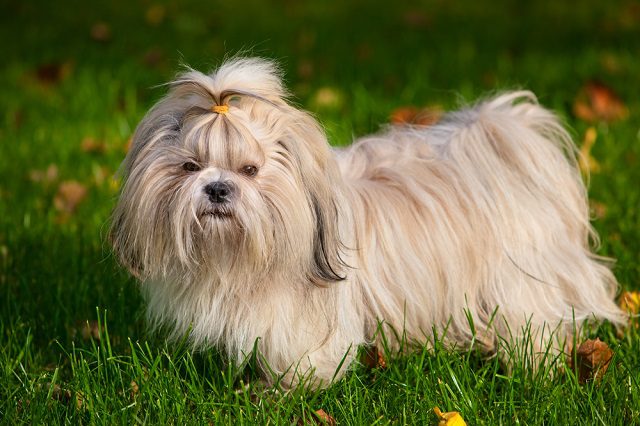
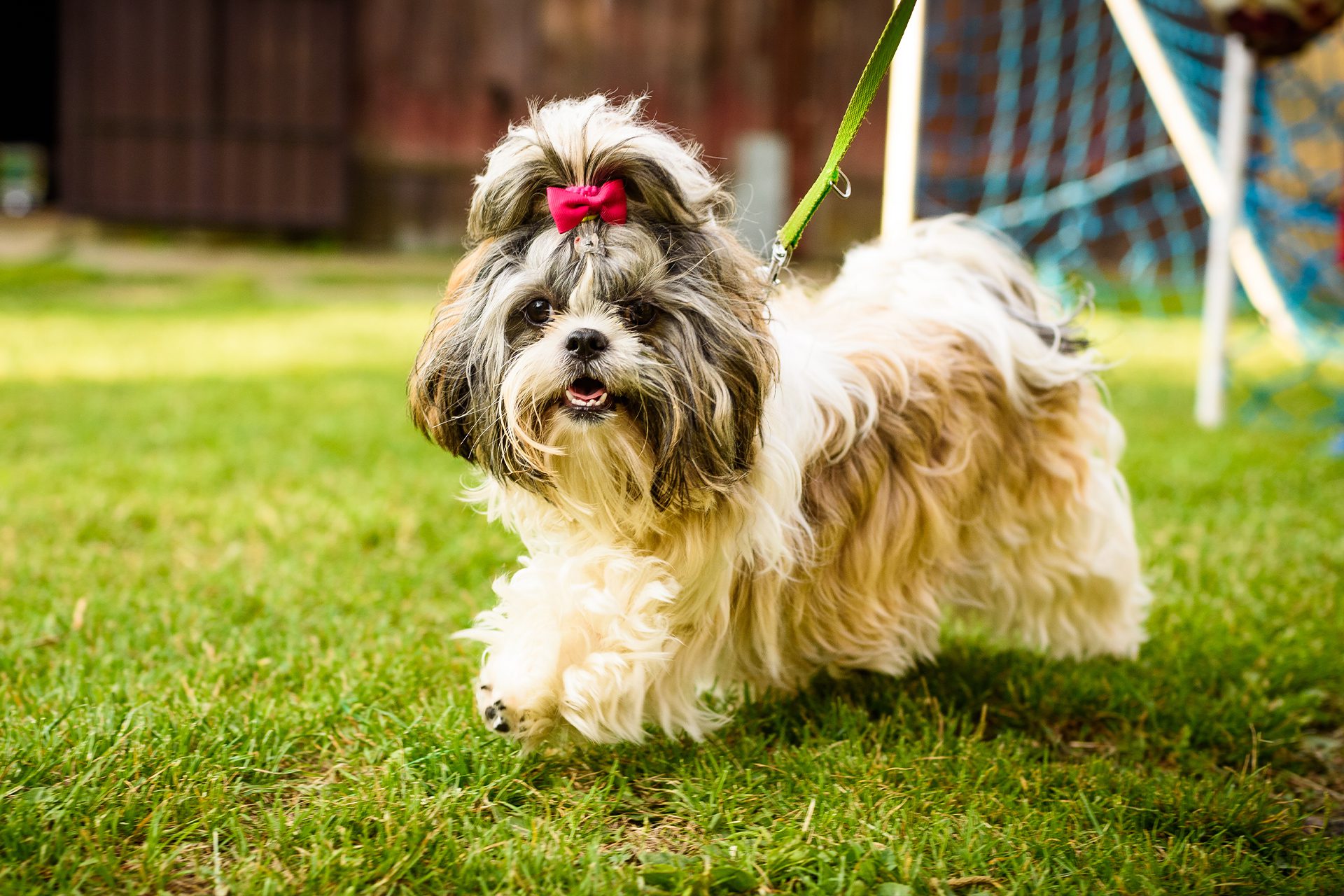
- Coat: luxurious, double-coated, dense, long, and flowing; a slight wave is allowed.
- Colors: all colors are permitted and considered equally.
- Head: round and broad, with large dark eyes and a short muzzle.
- Tail: carried in a curve over the back.
- Temperament: outgoing, happy, affectionate, friendly, and trusting.
Matching the standard is a good sign, but many mixes can look similar. Always rely on records. Our Shih Tzu characteristics guide covers the breed in more detail.
4. Be Wary of “Imperial,” “Teacup,” and Other Labels
The ASTC calls the “imperial” Shih Tzu a myth often used by unethical breeders to sell dogs that do not meet the breed standard. It explains that breeding very small dogs together can create abnormally small puppies that may have health problems. Terms like “teacup,” “imperial,” or “European” Shih Tzu do not describe separate breeds. The AKC standard is the same for every Shih Tzu. Read our imperial Shih Tzu guide to learn more.
5. Choose a Responsible Breeder
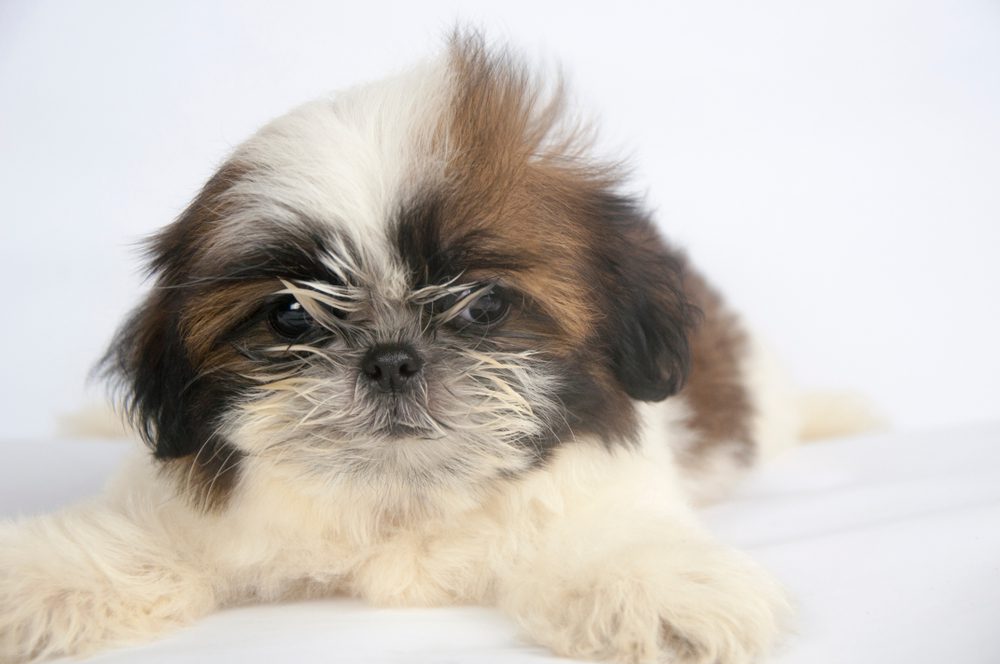
- Meet the puppy’s mother, and ideally the father.
- Ask about health testing and vet records.
- Expect the breeder to ask you questions, too.
- Avoid sellers who always have puppies available or push you to decide quickly.
- The ASTC suggests using its breeder referral resources and being skeptical of polished puppy-selling websites.
You can also find wonderful Shih Tzus through breed rescues. See our Shih Tzu adoption and pros and cons guide.
Mixed breed? That is fine. A Shih Tzu mix can be a loving pet. Just make sure the price and health promises match what you are getting. Our Shih Tzu mixes guide covers popular crosses.
Frequently Asked Questions
How can I tell if my Shih Tzu is purebred?
Check registration papers and a multi-generation pedigree from a recognized registry. The AKC recognizes purebred status based on documented ancestry, not appearance.
Can a DNA test prove my Shih Tzu is purebred?
A parentage DNA test can confirm the sire and dam. Consumer breed heritage tests estimate ancestry, but the AKC states they are not purity tests.
Is an imperial Shih Tzu a separate breed?
No. The American Shih Tzu Club calls the imperial Shih Tzu a myth used to market dogs that do not meet the breed standard, and warns that breeding very small dogs can cause health problems.
What does a purebred Shih Tzu look like?
The AKC standard describes a sturdy dog about 9 to 10.5 inches tall and 9 to 16 pounds, with a long double coat, a round head, large dark eyes, a short muzzle, and a tail curved over the back. All colors are allowed.
Do registration papers mean a Shih Tzu is healthy?
No. Papers show ancestry only. Ask the breeder about health screening, vet records, and the parents’ health.
Sources
- American Kennel Club: Official standard of the Shih Tzu
- American Kennel Club: Why breed heritage tests are not purity tests
- American Shih Tzu Club: The facts about “imperial” Shih Tzu and designer dogs
This article is for general information. It is not a substitute for advice from your veterinarian. Read our medical disclaimer.