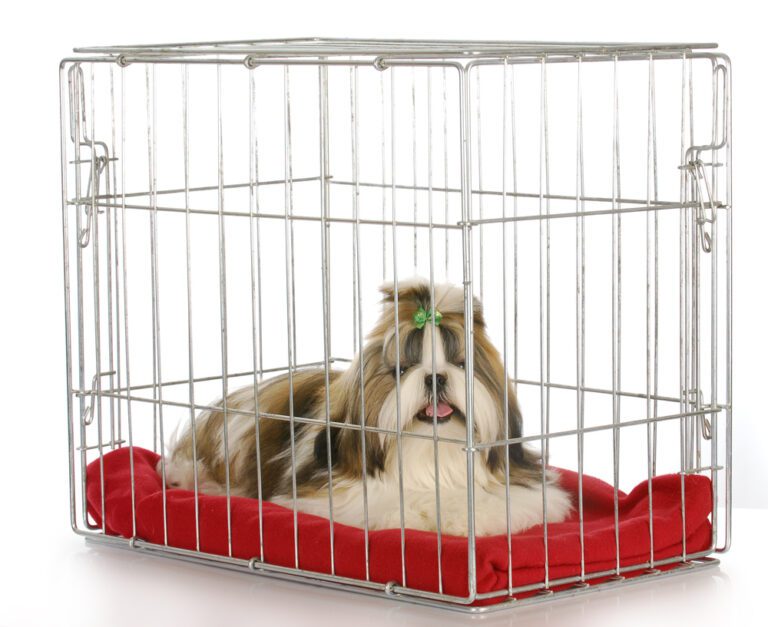

Can a Shih Tzu Be a Guard Dog? Watchdog vs Guard Dog Explained
How we researched this guide: This article is based on the American Kennel Club Shih Tzu breed standard, the American Veterinary Society of Animal Behavior (AVSAB), and the ASPCA. Last reviewed: September 2026.
Quick answer: No, a Shih Tzu is not a guard dog. The breed was developed as a companion, and the AKC standard calls for a temperament that is friendly and trusting towards all. Many Shih Tzus do make alert watchdogs, barking when someone arrives.
Guard Dog vs. Watchdog: What Is the Difference?
| Role | What it does | Shih Tzu fit? |
|---|---|---|
| Guard dog | Physically deters or confronts intruders; requires size, strength, and specialized training | No |
| Watchdog | Alerts you by barking when someone approaches | Often yes |
| Companion dog | Provides company and affection | Yes, this is the breed’s purpose |
Why Shih Tzus Are Not Guard Dogs
The AKC breed standard states that the sole purpose of the Shih Tzu is that of a companion and house pet, and that its temperament should be outgoing, happy, affectionate, friendly and trusting towards all. A dog bred to trust everyone is not suited to protection work. Its small size, ideally 9 to 16 pounds according to the standard, also makes physical guarding unrealistic.
Training a small companion dog to be aggressive is not a good idea. It can create a fearful, reactive dog and put people and the dog at risk.

Shih Tzus as Watchdogs
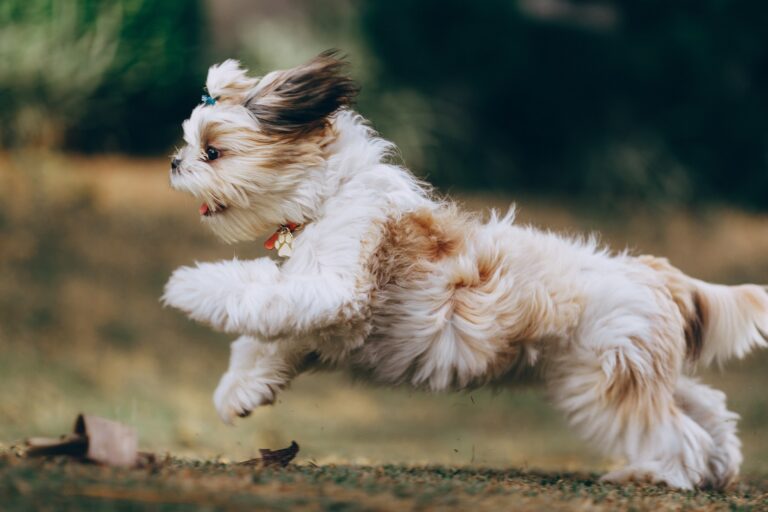
Many Shih Tzus notice sounds at the door and bark to let you know. That alert can be useful. The goal is a dog that barks briefly to alert, then settles when you ask.
How to Train a Good Alert Barker
- Acknowledge the alert. When your dog barks at a knock, calmly go check.
- Teach a “quiet” cue. Wait for a pause in barking, say “quiet,” and reward the silence right away.
- Reward calm behavior near the door and windows.
- Manage triggers. Block views of the street if your dog barks at every passerby.
- Use rewards, not punishment. AVSAB states there is no evidence that aversive training is necessary and warns it can increase fear and aggression.
For more help, see our barking guide and our Shih Tzu training guide.

When Protective Behavior Becomes a Problem
Some Shih Tzus growl or snap at visitors, guard their owners, or bark nonstop. This is usually driven by fear or stress, not bravery. See your vet to rule out pain, then work with a reward-based trainer or veterinary behaviorist. Our aggression guide and behavior problems guide explain next steps.
Better Ways to Protect Your Home
- A monitored alarm system or video doorbell
- Motion-sensor lights
- Good locks on doors and windows
- Your Shih Tzu’s alert bark as an early warning, not a line of defense
The ASPCA notes that working guard dogs need proper care, socialization, and humane treatment. If you truly need a protection dog, speak with a reputable professional about breeds suited to that work.
Frequently Asked Questions
Can a Shih Tzu be a guard dog?
No. The AKC breed standard describes the Shih Tzu as a companion and house pet with a temperament that is friendly and trusting towards all. Its small size also rules out physical guarding.
Are Shih Tzus good watchdogs?
Many are. Shih Tzus often bark to alert you when someone arrives. Training a “quiet” cue keeps alert barking under control.
Are Shih Tzus protective of their owners?
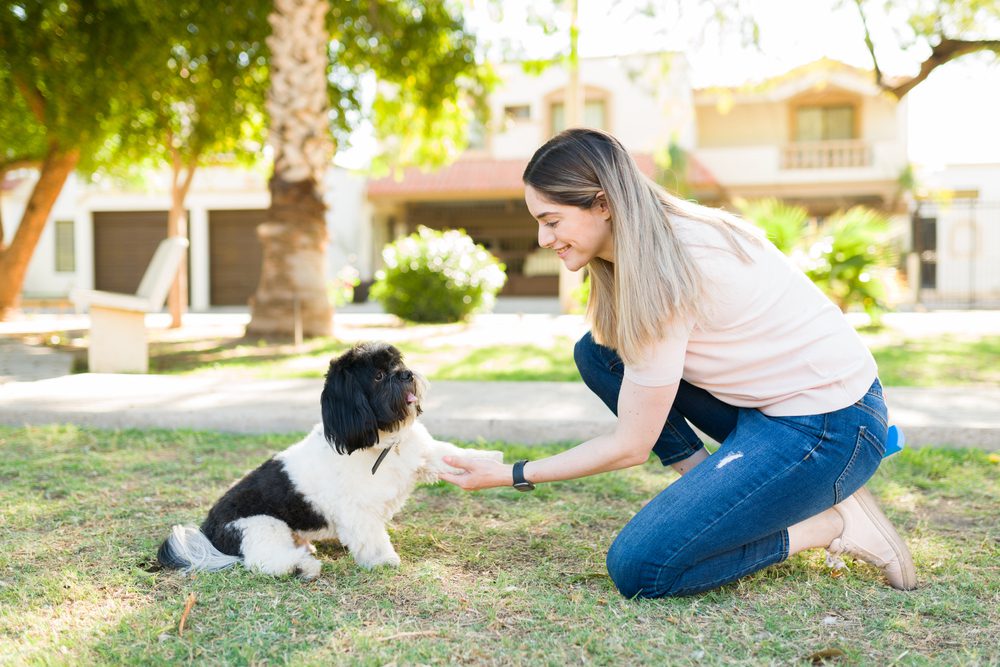
Some become attached and may bark or grumble at strangers, but this is often fear rather than protection. Socialization and reward-based training help them stay confident and friendly.
Should I train my Shih Tzu to be aggressive toward strangers?
No. Encouraging aggression can create a fearful, reactive dog and risks bites. Use reward-based training, and focus on calm alert behavior.
How do I stop my Shih Tzu from barking at the door?
Acknowledge the alert, teach a “quiet” cue by rewarding pauses in barking, reward calm behavior near the door, and manage triggers such as street views.
Sources
- American Kennel Club: Official standard of the Shih Tzu
- American Veterinary Society of Animal Behavior: Position statement on humane dog training
- ASPCA: Position statement on guard dogs
This article is for general information. It is not a substitute for advice from your veterinarian. Read our medical disclaimer.