
Shih Tzu Vaccine Schedule: Core Vaccines, Rabies Rules, and Timing
How we researched this article: This guide follows the American Animal Hospital Association (AAHA) Canine Vaccination Guidelines (2022, updated 2024), the World Small Animal Veterinary Association (WSAVA) 2024 vaccination guidelines, the University of California, Davis, and Ontario’s rabies immunization regulation. Every source is listed at the end. Last reviewed: September 2026.
Get emergency care if, after a vaccine, your dog has: facial swelling, hives, repeated vomiting, trouble breathing, or collapses. Mild soreness or sleepiness for a day is common and usually not a concern.
The Short Answer
In North America, the AAHA recommends these core vaccines for all dogs:
- Canine distemper virus
- Canine adenovirus (protects against infectious hepatitis)
- Canine parvovirus
- Rabies
- Leptospirosis, added as core in AAHA’s 2024 update
Other vaccines are noncore and are recommended based on your dog’s lifestyle and where you live. These include Bordetella (kennel cough), Lyme disease, and canine influenza.
Shih Tzu Puppy Vaccine Schedule
Shih Tzus follow the same vaccine guidelines as other dogs. The WSAVA recommends starting the distemper, adenovirus, and parvovirus vaccines at 6 to 8 weeks of age, then repeating them every 2 to 4 weeks until 16 weeks of age or older. That last dose after 16 weeks matters, because antibodies from the mother can block earlier doses.
- 6 to 8 weeks: first combination vaccine (distemper, adenovirus, parvovirus, often with parainfluenza)
- Every 2 to 4 weeks after: repeat doses of the combination vaccine
- 16 weeks or older: final puppy dose of the combination vaccine
- Rabies: timing follows the vaccine label and local law, often around 12 to 16 weeks
- Leptospirosis: an initial series of two doses given 2 to 4 weeks apart, following the product label
- Noncore vaccines: added based on lifestyle, such as Bordetella for puppies going to daycare, boarding, or group classes
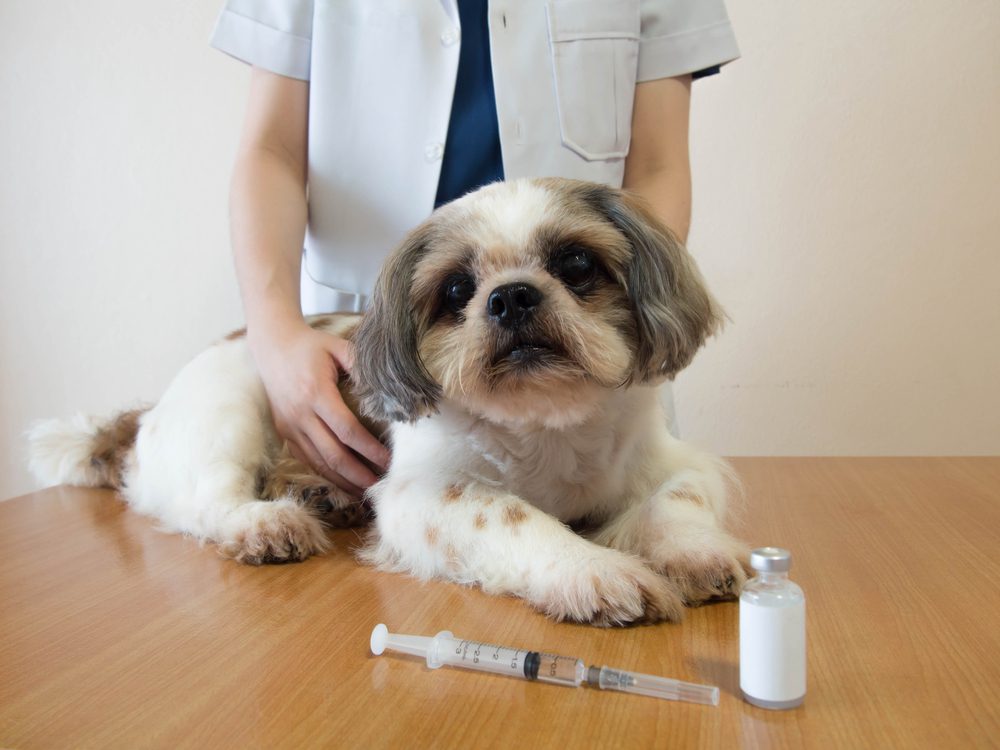
After the puppy series, your vet will schedule boosters. The timing depends on the vaccine and product. Keep a copy of every vaccine record.
Why Leptospirosis Is Now Core
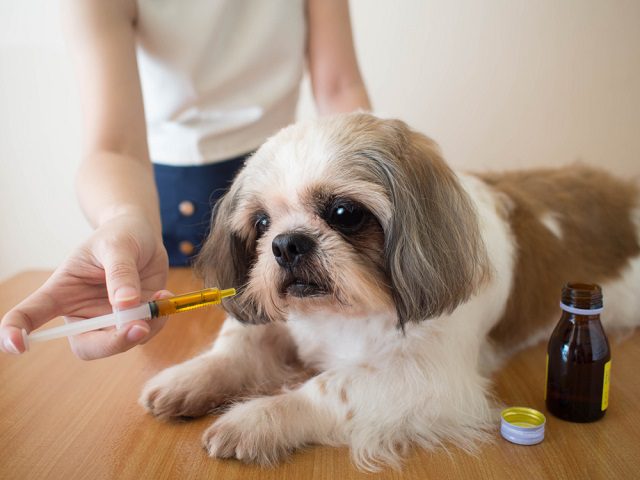
Leptospirosis is a bacterial disease that can damage the kidneys and liver and can spread to people. AAHA changed it from noncore to core in 2024. Its guidelines director explained that any dog that goes outdoors, in the city or the country, can be exposed, and that AAHA has seen a substantial increase in the disease.
Rabies Vaccine and the Law
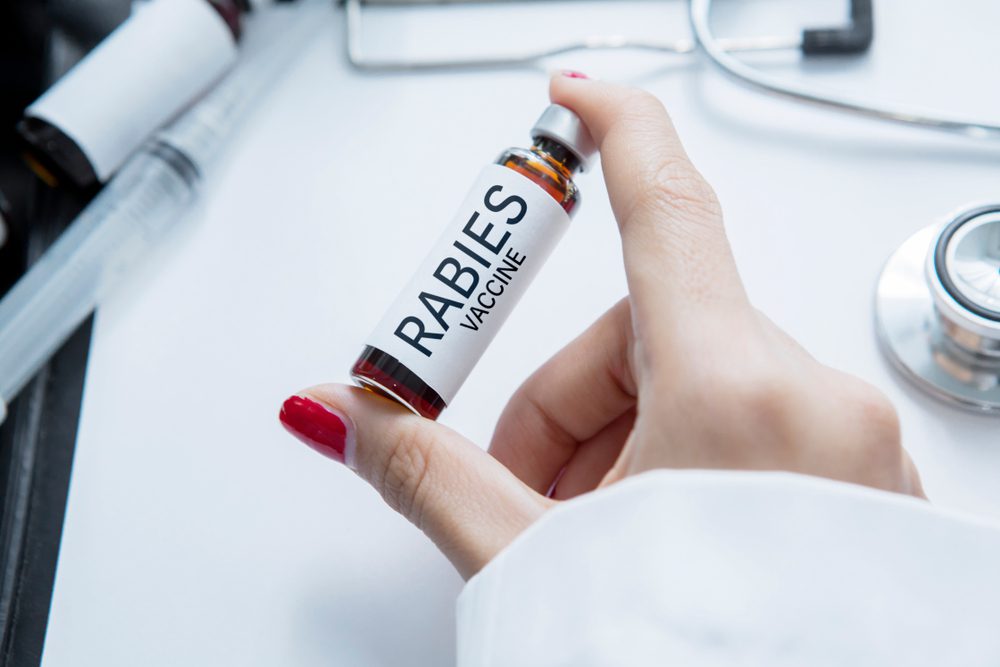
Rabies is fatal and can spread to people. The WSAVA says that wherever rabies is present, dogs should be vaccinated even if the law does not require it.
In Ontario, Regulation 567 under the Health Protection and Promotion Act requires every dog three months of age or older to be vaccinated against rabies. The vet provides a certificate and a rabies tag, and owners must show the certificate to public health officials if asked. Other provinces and US states have their own rules, so check your local requirements.
Can my Shih Tzu get rabies?
Dogs are not born with rabies. They can only catch it from the bite or saliva of an infected animal. In North America, wildlife such as bats, raccoons, skunks, and foxes can carry rabies. If your dog is bitten or scratched by a wild animal, contact your vet right away. Your local public health unit may also need to be informed.
Noncore Vaccines: Does Your Shih Tzu Need Them?
- Bordetella (kennel cough): for dogs that go to daycare, boarding, grooming, classes, or dog parks. Many facilities require it. See our kennel cough guide.
- Lyme disease: for dogs in areas with ticks that carry Lyme. Ask your vet about the risk where you live, along with tick prevention.
- Canine influenza: may be recommended where outbreaks occur or for dogs in dog-dense settings.
Vaccine Side Effects
Most dogs have no problems, or only mild ones such as soreness at the injection site, a mild fever, or sleepiness for a day. Rarely, a dog has an allergic reaction. Signs include facial swelling, hives, vomiting, or trouble breathing. These need emergency care. Tell your vet if your dog has ever reacted to a vaccine.
Related: Shih Tzu puppy care guide.
Frequently Asked Questions
What vaccines does a Shih Tzu need?
Core vaccines for all dogs include distemper, adenovirus, parvovirus, rabies, and leptospirosis. Others, such as Bordetella and Lyme, depend on lifestyle and location.
How many vaccine shots does a Shih Tzu puppy need?
The combination vaccine is usually given every 2 to 4 weeks from 6 to 8 weeks of age until 16 weeks or older, so most puppies get three or four doses, plus rabies and leptospirosis.
When does a Shih Tzu puppy get the rabies vaccine?
Timing follows the vaccine label and local law, often around 12 to 16 weeks. In Ontario, dogs must be vaccinated by three months of age.
Does my Shih Tzu have rabies?
Dogs are not born with rabies. They can only catch it from an infected animal. If your dog was bitten by a wild animal, contact your vet right away.
Is leptospirosis a core vaccine?
Yes. AAHA updated its guidelines in 2024 to make leptospirosis a core vaccine for all dogs.
Sources
- American Animal Hospital Association. 2022 AAHA Canine Vaccination Guidelines (updated 2024).
- American Animal Hospital Association. AAHA guidelines designate leptospirosis vaccine as core.
- Squires RA, et al. 2024 guidelines for the vaccination of dogs and cats (WSAVA). Journal of Small Animal Practice, 2024.
- UC Davis School of Veterinary Medicine. Vaccination Guidelines for Dogs and Cats. 2025.
- Government of Ontario. R.R.O. 1990, Reg. 567: Rabies Immunization.
This article is for general information. Your veterinarian will set the right vaccine plan for your dog. Read our medical disclaimer.