
Shih Tzu Puppy Care Guide: The First Months, Step by Step
Quick answer: Shih Tzu puppies should stay with their mother until at least 8 weeks (about 10 weeks for very small puppies). In the first months, see the vet within a few days, start vaccines, socialize safely during the first three months, feed small meals often to prevent low blood sugar, and begin potty training and gentle grooming right away.
On this page
- The Short Answer
- Shih Tzu puppies at a glance
- When Can a Shih Tzu Puppy Leave Its Mother?
- Your Puppy’s First Vet Visit
- Socialization: The Most Important Job
- Feeding Your Shih Tzu Puppy
- Potty and Crate Training
- Early Grooming and Handling
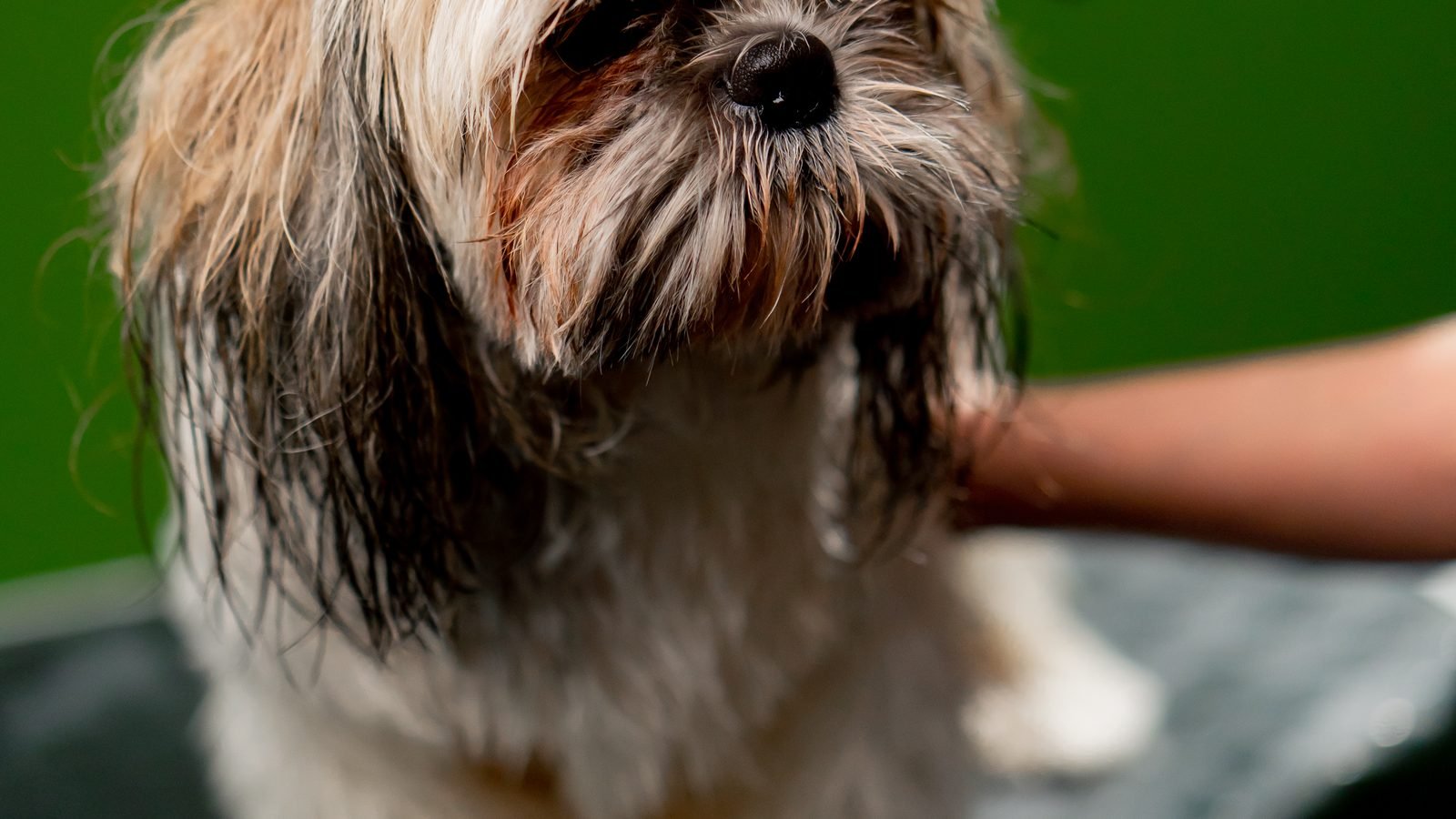
- Your puppy’s first baths
- Teething and Nipping
- Choosing a Name
- Puppy-Proof Your Home
- When Do Shih Tzu Puppies Calm Down?
- Frequently asked questions
- Sources
How we researched this article: This guide follows the American Veterinary Society of Animal Behavior (AVSAB) on puppy socialization, the American Animal Hospital Association (AAHA) vaccination guidelines, and veterinary guidance on toy-breed puppies from Veterinary Partner and PetMD. Every source is listed at the end. Last reviewed: November 2026.
Call your vet right away if your puppy: is weak, trembling, or wobbly, will not eat, has vomiting or diarrhea (especially with blood), or seems very tired. Tiny puppies can develop low blood sugar quickly, and unvaccinated puppies are at risk of serious infections such as parvovirus.
The Short Answer
The first few months shape your Shih Tzu for life. The most important jobs are getting vet care and vaccines started, socializing your puppy safely, feeding small meals often, and building good habits for grooming, handling, and potty training.
Shih Tzu puppies at a glance
- Leaving mom: at least 8 weeks; very small puppies may do better at about 10 weeks (Veterinary Partner).
- Socialization window: the first three months of life (AVSAB).
- Puppy classes: from 7 to 8 weeks, after at least one set of vaccines given 7 days before and a first deworming (AVSAB).
- Meals: small and frequent, because tiny puppies can develop low blood sugar.
- Fully grown: usually by 9 to 12 months. See how much a Shih Tzu should weigh.
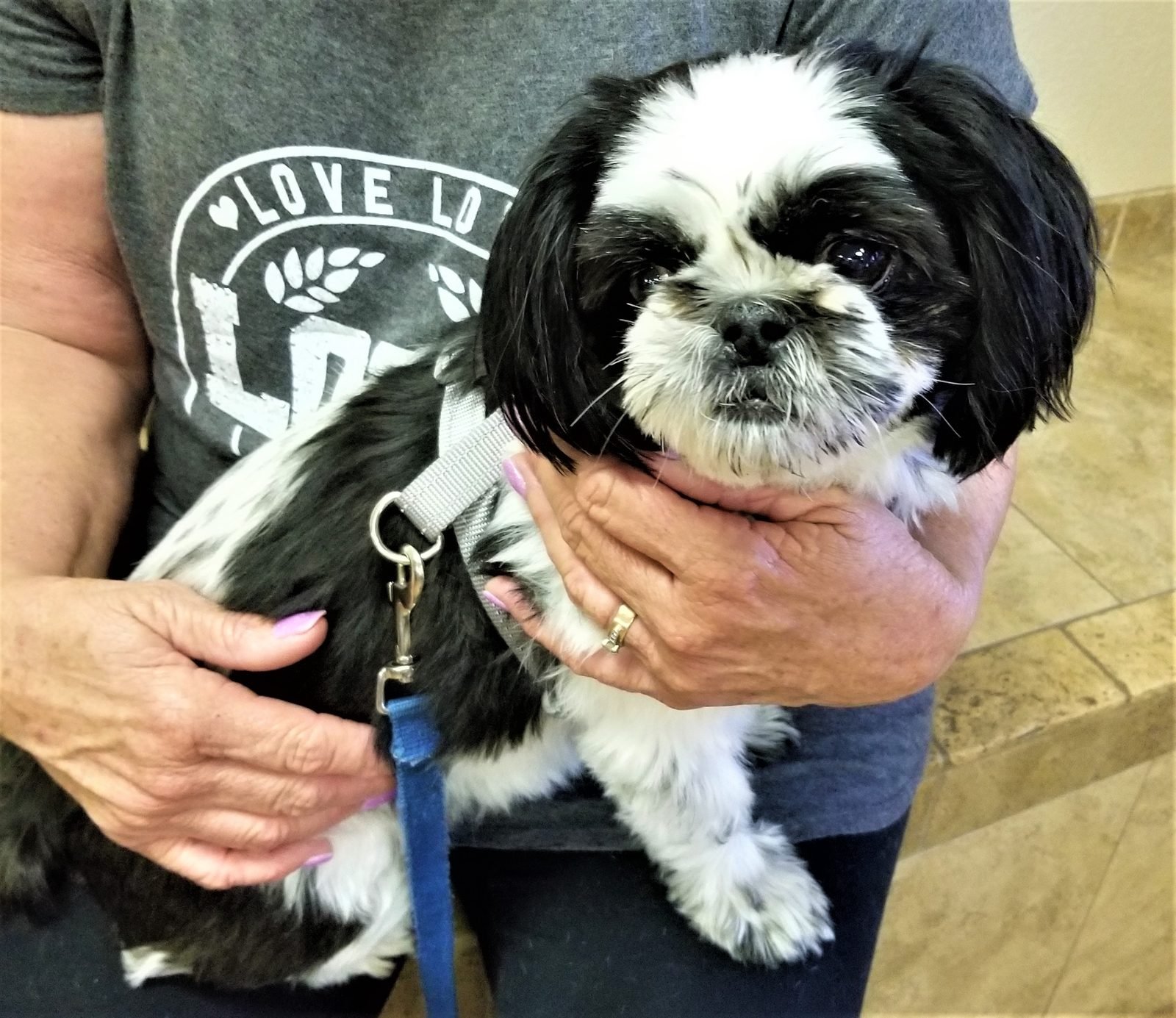
Adopting an older puppy or adult instead? Our guide to Shih Tzu adoption walks you through rescues, applications and the first weeks.
When Can a Shih Tzu Puppy Leave Its Mother?
Most veterinarians and responsible breeders recommend that puppies stay with their mother and littermates until at least 8 weeks of age. Veterinary guidance on toy breeds suggests that very small puppies may do better staying until about 10 weeks.
A 6-week-old puppy is too young to leave its mother. If you already have a very young puppy, see your vet as soon as possible. Keep the puppy warm, feed small meals often, and watch closely for weakness or loss of appetite.
Your Puppy’s First Vet Visit
Book a vet visit within the first few days after bringing your puppy home. Your vet will do a health check, start or continue vaccines, deworm your puppy, and talk to you about flea and tick prevention. Bring any records from the breeder or shelter.
See our full Shih Tzu puppy vaccine schedule.
Socialization: The Most Important Job
According to the AVSAB, the first three months of life are the most important time for socialization. During this window, puppies should safely meet as many new people, animals, sounds, and places as possible, without being overwhelmed.
The AVSAB believes socialization should start before a puppy is fully vaccinated. In its view, behavior problems, not infectious disease, are the leading cause of death in dogs under three years old. It says puppies can start socialization classes as early as 7 to 8 weeks of age, after at least one set of vaccines given 7 days before the first class and a first deworming.
- Invite calm, healthy visitors, including children, older adults, and people wearing hats or glasses.
- Let your puppy meet vaccinated, gentle adult dogs you know.
- Carry your puppy to new places, like a quiet street or a pet-friendly store.
- Play recordings of everyday sounds at low volume, such as traffic, doorbells, and thunder.
- Avoid dog parks and areas used by many unknown dogs until your vet says your puppy is protected.
- Always pair new experiences with treats and let your puppy retreat if scared.

Feeding Your Shih Tzu Puppy
Shih Tzu puppies are tiny, so they need small, frequent meals of a complete puppy food. Very small puppies can develop low blood sugar (hypoglycemia) if they go too long without eating. Signs include weakness, trembling, and wobbliness. Ask your vet in advance what to keep at home in case this happens.
For amounts and schedules, see our guide to feeding Shih Tzu puppies. For puppies that are very small for their age, read our Imperial and teacup Shih Tzu guide.
Potty and Crate Training
Start house training the day your puppy comes home. Take your puppy out often, especially after sleeping, eating, and playing, and reward it right away for going in the right place. See our potty training guide and crate training guide.
Early Grooming and Handling
Shih Tzus need lifelong grooming, so make it pleasant from the start. Handle your puppy’s paws, ears, mouth, and face gently every day, with treats. Brush for a minute or two at a time.
Your puppy’s first baths
- Use a gentle shampoo made for dogs or puppies.
- Use warm, not hot, water and keep water and soap out of the eyes and ears.
- Rinse well, then dry your puppy completely. Small puppies get chilled easily.
- Keep the first baths short and calm, with plenty of praise.
Dry your puppy completely after a bath so it does not get chilled.
Learn more in our guide to Shih Tzu coat care.
Teething and Nipping
Puppies explore with their mouths and chew more while teething. Give plenty of safe chew toys and redirect nipping onto a toy. See the puppy nipping section of our biting and aggression guide.
If your puppy has a light-colored face, you may notice tear stains early. Wipe the face daily and ask your vet if the eyes look red or the discharge changes color.
Choosing a Name
Pick a short name, ideally one or two syllables, that does not sound like a command such as “sit” or “no,” and use it only for good things. For ideas, see our lists of male Shih Tzu names and female Shih Tzu names.
Puppy-Proof Your Home
- Keep electrical cords, small objects, and medications out of reach.
- Store human foods that are toxic to dogs safely. See our safe and toxic foods list.
- Block stairs and high furniture to prevent falls.
- Keep toilet lids down and cleaning products locked away.
When Do Shih Tzu Puppies Calm Down?
There is no set age. Puppies become more settled gradually as they mature. Many dogs go through a more energetic, testing stage in adolescence. Our guide on how fast Shih Tzu puppies grow covers each stage, including the fear periods. Daily play, short walks, training games, puzzle toys, and plenty of sleep all help a puppy learn to settle.
Frequently asked questions
When can a Shih Tzu puppy leave its mother?
Most vets and responsible breeders recommend at least 8 weeks. Very small toy puppies may do better staying until about 10 weeks.
When should I start socializing my Shih Tzu puppy?
Right away. The AVSAB says the first three months are the most important time for socialization, and that it should start before vaccines are finished, with sensible precautions.
How often should a Shih Tzu puppy eat?
Small, frequent meals are important because tiny puppies can develop low blood sugar. Ask your vet for a schedule based on your puppy's age and size.
When can I give my Shih Tzu puppy a bath?
Use a gentle puppy shampoo, keep baths short, and dry your puppy completely. Ask your vet if your puppy is very young or unwell.
When do Shih Tzu puppies calm down?
There is no fixed age. Puppies settle gradually as they mature. Exercise, training, and enrichment all help.
Sources
- American Veterinary Society of Animal Behavior. Position Statement on Puppy Socialization.
- American Veterinary Medical Association. Behavior society supports early puppy socialization.
- American Animal Hospital Association. 2022 AAHA Canine Vaccination Guidelines (updated 2024).
- PetMD. When Do Dogs Stop Growing?
- Veterinary Partner (VIN). Hypoglycemia (Low Blood Sugar) in Toy Breed Dogs.
This article is for general information. It is not a substitute for advice from your veterinarian. Read our medical disclaimer.
All guides on this topic
- How fast Shih Tzu puppies grow: Shih Tzu puppy growth from birth to adult: eyes, teeth, socialization, vaccines and size by month, plus how to estimate adult weight and when to call the vet.
- Shih Tzu vaccine schedule: Which vaccines does a Shih Tzu need, and when? A puppy schedule based on the latest AAHA and WSAVA guidelines, plus leptospirosis, rabies law, and side effects.
- Shih Tzu adoption: How to adopt a Shih Tzu in the US or Canada: where to find rescues, what applications and fees involve, questions to ask, and how to settle your new dog in.
- Female Shih Tzu names: 100 female Shih Tzu names: AKC 2025 favorites, Chinese names with meanings, royal, flower and cute names, plus trainer tips to pick and teach her name.
- Male Shih Tzu names: 100 male Shih Tzu names: AKC 2025 favorites, Chinese names with meanings, lion and royal names, food and color names, plus tips to pick and teach his name.
- Pregnant Shih Tzu: Shih Tzu heat cycles, pregnancy length, whelping warning signs, and newborn puppy care, plus a responsible checklist before you decide to breed.
- Best chew toys for Shih Tzu puppies: Our 2026 picks for safe chew toys for Shih Tzu puppies, based on VCA and AKC guidance. Learn the fingernail test, what to avoid, and teething tips.