How Much Should a Shih Tzu Eat? Calories, Portions, and Feeding Guide
How we researched this guide: This article is based on the World Small Animal Veterinary Association (WSAVA) calorie and body condition guidance, American Animal Hospital Association (AAHA) body condition scoring and senior care guidelines, VCA Animal Hospitals, and the American Kennel Club. It is not a substitute for your vet’s advice. Last reviewed: September 2026.
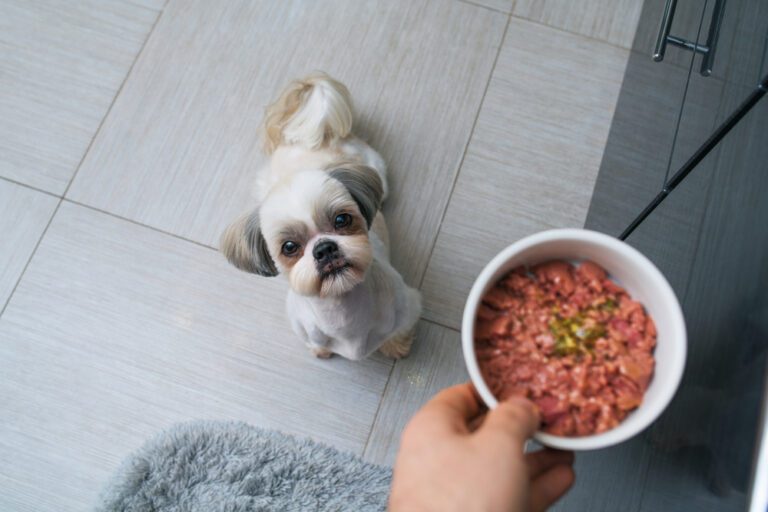
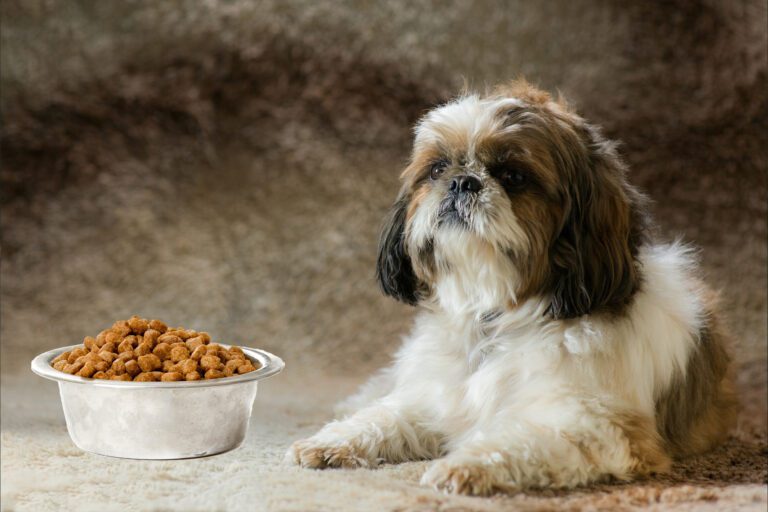
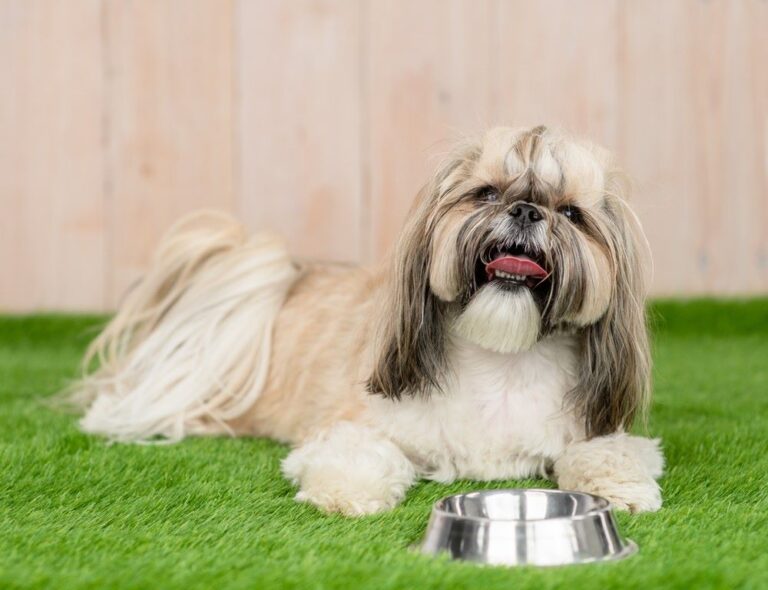
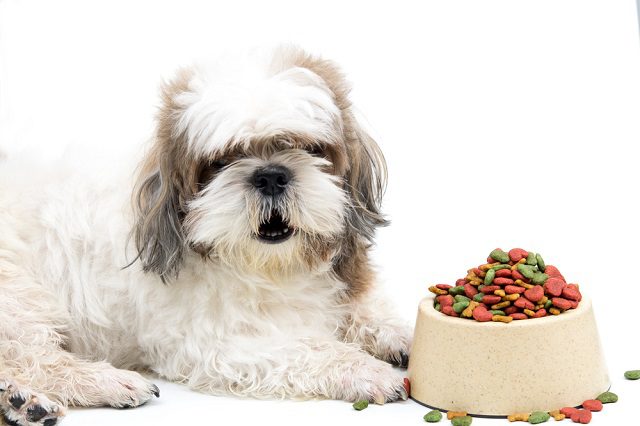
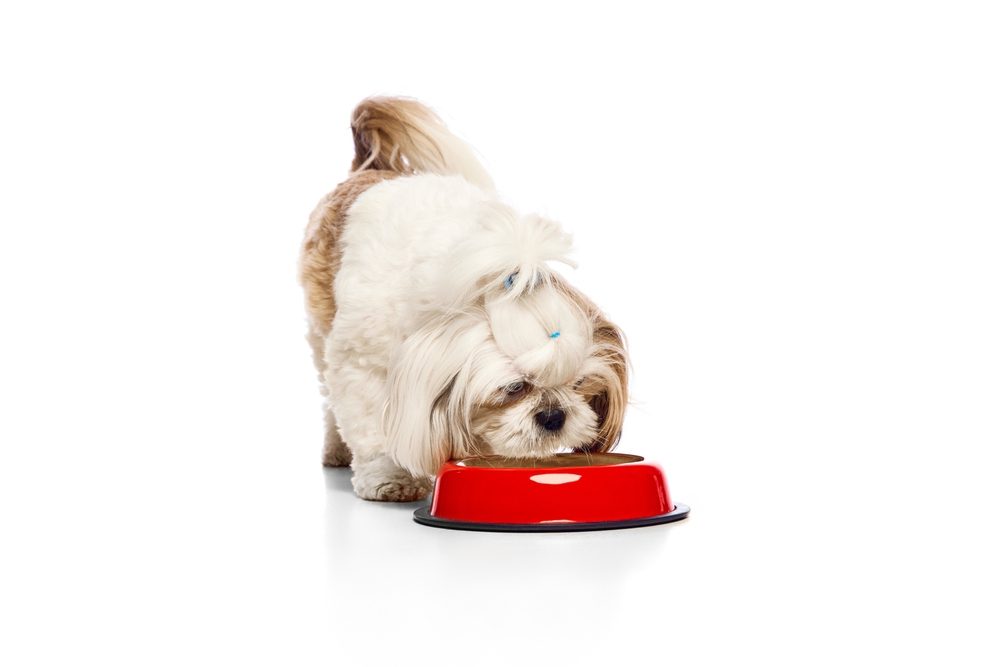
How much should a Shih Tzu eat? There is no single number, because every dog is different. But there is a reliable way to find the right amount: start with a calorie estimate, then adjust based on your dog’s body shape.
This guide shows you how, and explains why getting it right matters for a small breed.
Try our free tool: Use the Shih Tzu Food Calculator to get daily calories, a treat budget and cups per meal for your own dog.
How Many Calories Does an Adult Shih Tzu Need?
The AKC breed standard gives an ideal weight of 9 to 16 pounds for a Shih Tzu. WSAVA publishes calorie ranges for healthy adult dogs at an ideal body condition. Here are the ranges for Shih Tzu-sized dogs:
| Body weight | Calories per day (WSAVA range) |
|---|---|
| 8.8 lb (4 kg) | 240 to 297 kcal |
| 11 lb (5 kg) | 280 to 351 kcal |
| 13.2 lb (6 kg) | 320 to 403 kcal |
| 15.4 lb (7 kg) | 360 to 452 kcal |
| 17.6 lb (8 kg) | 400 to 499 kcal |
WSAVA stresses that these numbers are for guidance only. Some dogs need more or less to stay trim. Less active, spayed or neutered, and older dogs are usually at the lower end.
How to Turn Calories Into Cups
- Find the calories on the bag. Dog food labels list calories as kcal per cup or per can.
- Divide your dog’s daily calories by the kcal per cup. For example, a dog needing 300 kcal eating a food with 400 kcal per cup needs about 3/4 cup per day.
- Subtract treats. VCA recommends treats make up no more than 10 percent of daily calories.
- Split into meals. Most adult Shih Tzus do well on two meals a day.
- Measure every time. A kitchen scale is more accurate than a cup.
Check Your Shih Tzu’s Body Condition
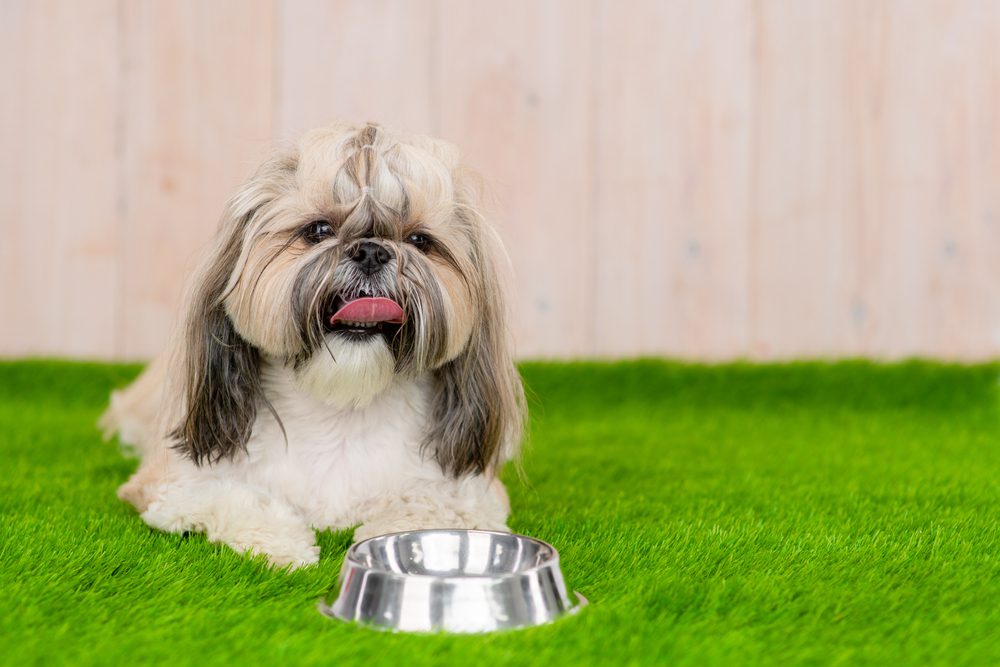
The scale on the bag is only a starting point. Your dog’s body tells you whether the amount is right. AAHA describes an ideal body condition this way:
- Ribs: you can feel them without a thick layer of fat.
- Waist: you can see a waist behind the ribs when looking down from above.
- Belly: the belly tucks up when seen from the side.
A long coat can hide extra weight, so use your hands, not just your eyes. If you cannot feel the ribs easily or there is no waist, your dog is likely overweight. Ask your vet to score your dog at the next visit. Adjust food in small steps and recheck after a few weeks.
Feeding Puppies, Adults, and Seniors
| Life stage | Meals per day | Notes |
|---|---|---|
| Puppy (under 1 year) | 3 to 4, then 2 | Use a complete puppy food. See our puppy food guide. |
| Adult | 2 | Feed for an ideal body condition. |
| Senior | 2 | AAHA notes energy needs generally drop with age. See our senior care guide. |
Why Good Nutrition Matters
Poor nutrition can come from feeding too much, too little, or an unbalanced diet. The most common problem in pet dogs is simply too many calories, which leads to extra weight. Extra weight puts strain on joints and breathing, and it is a risk factor for diabetes, according to the Merck Veterinary Manual. See our guide to diabetes in Shih Tzus.
An unbalanced homemade diet is the other risk. Home-cooked meals can lack key vitamins and minerals unless a veterinary nutritionist designs them. WSAVA also suggests choosing a commercial food from a company that employs qualified nutritionists and does quality control testing.
What to Feed
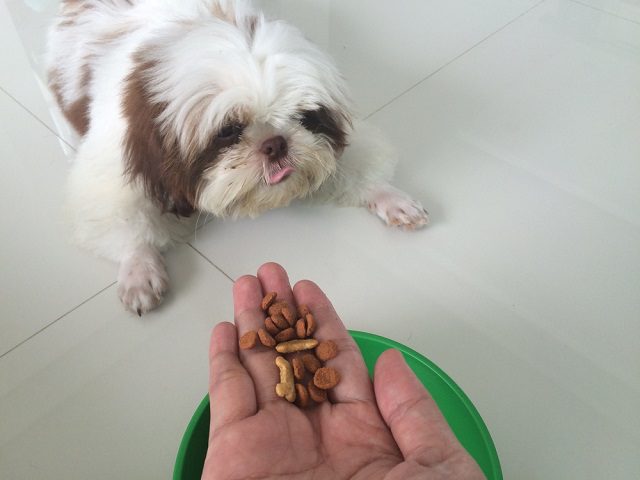
- A complete and balanced food with an AAFCO statement for your dog’s life stage
- A small-breed formula for easier chewing
- Fresh water at all times
- Limited treats, and never toxic foods. Read which human foods are safe for Shih Tzus.
Dogs with digestive or skin problems may need a special diet. See our guides to food for sensitive stomachs and food for allergies.
See your vet if your Shih Tzu: suddenly eats much more or much less, loses weight without trying, vomits after meals, or drinks far more water than usual. These can be signs of illness, not just appetite changes.
Frequently Asked Questions
How much should a Shih Tzu eat per day?
It depends on weight and activity. WSAVA guidance suggests about 280 to 351 calories a day for an 11 lb adult dog and about 320 to 403 calories for a 13 lb dog. Check the calories per cup on your food and adjust based on body condition.
How many times a day should I feed my Shih Tzu?
Most adult Shih Tzus do well on two meals a day. Puppies need three to four meals when young, dropping to two as they approach adulthood.
How do I know if my Shih Tzu is overweight?
You should be able to feel the ribs without a thick fat layer, see a waist from above, and see a belly tuck from the side. A long coat can hide fat, so check with your hands.
How many treats can a Shih Tzu have?
VCA recommends keeping treats to no more than 10 percent of daily calories. Reduce meals slightly on days with extra treats.
Is homemade food good for Shih Tzus?
Only if a veterinary nutritionist designs the recipe. Homemade diets often lack key nutrients. A complete and balanced commercial food is the simplest safe choice.
Sources
- WSAVA: Calorie ranges for an average healthy adult dog in ideal body condition
- American Animal Hospital Association: Body condition scoring
- VCA Animal Hospitals: Feeding growing puppies
- Merck Veterinary Manual: Diabetes mellitus in dogs and cats
- WSAVA: Guidelines on selecting pet foods
- American Kennel Club: Shih Tzu
This article is for general information. It is not a substitute for advice from your veterinarian. Read our medical disclaimer.